Twelve years after one of the most controversial promotional stunts in the history of the music industry, U2 frontman Bono has once again reflected on the forced deployment of the band’s thirteenth studio album, Songs of Innocence. In a recent interview, the iconic Irish singer openly admitted that the global distribution strategy—which automatically downloaded the record onto more than 500 million Apple iTunes accounts overnight—ultimately crossed the line.
The campaign, launched in September 2014 during a keynote presentation alongside Apple CEO Tim Cook, was intended as an ambitious technological experiment and a grand gesture of gift-giving to the band’s global fan base. Instead, it triggered an immediate consumer backlash, raised significant questions regarding digital privacy, and forced both the band and the tech giant into a prolonged period of public relations damage control. Today, as U2 prepares for the release of their sixteenth studio album, Carnaval De Luz, and a major 2027 world tour, the legacy of the Songs of Innocence rollout remains a defining cautionary tale about the intersection of art, commerce, and digital consumer autonomy.
The 2014 Launch and Immediate Backlash
In September 2014, U2 took the stage at an Apple product launch event in Cupertino, California, to announce a partnership that executives hoped would redefine digital music distribution. Under the agreement, Apple funded the global release of Songs of Innocence, making it available at no cost to every user with an iTunes account.
However, the delivery mechanism proved to be the primary point of contention. Rather than making the album available as an optional download in the iTunes store, Apple pushed the complete record directly into the cloud-based music libraries of half a billion users worldwide. For millions of consumers, waking up on September 9, 2014, meant discovering new U2 tracks permanently embedded in their playlists without their explicit consent.
Public reaction was swift and largely hostile. Social media platforms were flooded with complaints from users expressing frustration over unwanted media cluttering their personal devices. For music consumers who did not care for rock music—or who simply resented a corporation dictating what content appeared on their personal hardware—the stunt felt intrusive. Furthermore, the mandatory placement of the album highlighted underlying anxieties about the scope of digital surveillance and the control that tech corporations exerted over personal devices.
Recognizing the scale of the discontent, Apple was forced to take the unprecedented step of creating a dedicated web tool allowing users to permanently remove the album from their purchase history and device storage.
Bono’s Evolving Apology and Chronology of Regret
In the years following the release, Bono has frequently addressed the controversy, progressively refining his assessment of the strategy. Initially, members of the band defended the rollout as an innovative way to ensure their music was heard on a massive scale in an era when digital piracy and streaming payouts severely disadvantaged working artists.
However, the tone of the frontman’s reflections shifted over time. In 2022, ahead of the publication of his memoir Surrender: 40 Songs, One Story, Bono offered a candid critique of his own motivations. He described the move as a "gross invasion" and famously likened it to leaving an unwanted bottle of milk on a neighbor’s doorstep.
He expanded on this metaphor later that year in an interview with The Guardian, offering a more vivid description of the overreach. "Not quite true… we didn’t just put our bottle of milk at the door but in every fridge in every house in town," he said. "In some cases we poured it onto the good people’s cornflakes. And some people like to pour their own milk. And others are lactose intolerant."
In his recent interview with The New York Times, Bono revisited the event once more, explicitly stating that he "went too far on that one." He revealed that both U2’s longtime manager, Paul McGuinness, and Apple CEO Tim Cook had initially expressed skepticism about the strategy, questioning why a band that had spent decades trying to convince audiences to pay for music would suddenly give it away entirely unprompted. Taking full responsibility for the decision, Bono explained that the band was driven by an experimental mindset to test whether corporate-sponsored distribution could bypass traditional commercial barriers.
Perspectives from The Edge and Industry Insiders
While Bono has shouldered the blame for the miscalculation, other members of the camp have viewed the episode through the lens of creative risk-taking. Guitarist The Edge defended the band’s willingness to push boundaries, arguing that daring to fail is an essential component of artistic longevity. "We take risks. We have to," The Edge noted, asserting that falling flat on one’s face is simply part of the professional mandate for a band of their stature.
External industry figures also weighed in on the broader implications of the stunt in the years that followed. Producer Flood, speaking to Gigwise in 2015, suggested that the public outrage overshadowed a critical debate regarding the monetary value of music in contemporary society. According to Flood, the controversy forced an unresolved conversation about societal perceptions of artistic labor, consumer taste, and the erosion of active choice in digital environments.
The incident ultimately served as a watershed moment for the digital music industry. It established a hard boundary regarding consumer consent in the cloud era, ensuring that subsequent major music releases—such as surprise drops by artists like Beyoncé and Taylor Swift—relied on opt-in mechanisms rather than automated intrusions.
Broader Economic and Privacy Implications
From a structural standpoint, the Songs of Innocence release highlighted the complex economics of the post-physical music landscape. In 2014, the transition from digital downloads to streaming was rapidly accelerating, causing widespread anxiety among legacy artists regarding declining revenues. Bono’s initial defense of the Apple deal was rooted in a desire to secure financial compensation for the band while bypassing standard retail channels. Apple reportedly paid U2 a substantial lump sum for the global rights to the album, effectively subsidizing the record’s production and marketing.
Yet, the execution obscured the economic message. Rather than prompting a discussion about fair compensation for musicians, the dominant discourse centered on digital rights management, consumer autonomy, and the growing unease surrounding corporate control over personal devices. The event prompted regulatory scrutiny and consumer advocacy discussions regarding the boundaries of cloud storage management, cementing the episode as a cautionary case study in digital product deployment.
Current Outlook and Upcoming Releases
More than a decade removed from the iTunes controversy, U2 has moved forward with new creative endeavors. The band is scheduled to release their sixteenth studio album, Carnaval De Luz, on November 13, marking their first full-length collection of new material since 2017’s Songs of Experience.
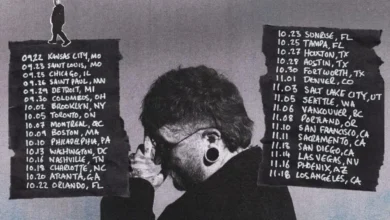
Ahead of the album’s launch, the group has issued promotional singles, including "Silencio" and "The Greatest Show On Earth," and confirmed the initial routing for a 2027 world tour. The upcoming tour will include major stadium dates across Latin America—featuring stops in Mexico, Brazil, and Argentina—and marks their first major concert itinerary since the conclusion of their critically acclaimed Las Vegas Sphere residency in 2024. Furthermore, the upcoming performances will feature the return of drummer Larry Mullen Jr., who rejoins the lineup following a period of medical recovery.
As U2 pivots toward this new chapter, the lessons of the 2014 Apple partnership appear to have been absorbed. While the band continues to embrace ambitious promotional tactics—including a newly announced intimate live performance in London in partnership with the BBC—future rollouts have returned to traditional, opt-in frameworks, ensuring that their music reaches audiences by invitation rather than automation.