NASCAR Faces Growing Scrutiny Over Superspeedway Competition Integrity Following Talladega Fuel-Saving Controversy

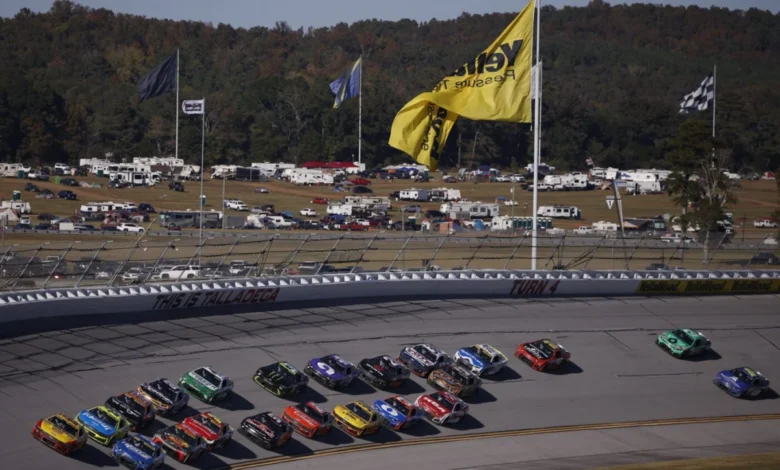
The recent NASCAR Cup Series event at Talladega Superspeedway has ignited a fierce debate regarding the current state of superspeedway racing, as the sport grapples with a persistent issue of strategic fuel conservation that has fundamentally altered the spectacle of high-speed competition. During the race, a significant portion of the field engaged in a coordinated effort to run at reduced throttle—at times reaching only 25% of the car’s engine capacity—in an attempt to stretch fuel windows and minimize pit stop frequency. This tactic resulted in speeds dipping as low as 155 mph on a track designed for speeds exceeding 200 mph, drawing sharp criticism from fans, industry experts, and ultimately forcing intervention from sanctioning body officials.
The Evolution of the Superspeedway Dilemma
For years, NASCAR has attempted to strike a delicate balance at its two largest ovals, Daytona International Speedway and Talladega Superspeedway. The introduction of the Next Gen car was intended to modernize the fleet and enhance mechanical parity, but it has inadvertently exacerbated the trend of "pack racing" coupled with hyper-conservative driving styles. To combat stagnant racing, NASCAR implemented several technical adjustments throughout the recent season, including revisions to stage lengths and aerodynamic configurations, specifically targeting spoiler heights to increase drag and break up the aerodynamic "trains" that often lead to fuel-saving marathons.
Despite these efforts, the Talladega event demonstrated that the underlying incentive structure remains skewed. The economic and strategic benefit of delaying a pit stop remains so high that drivers are willing to compromise race pace significantly. By operating at half-throttle, teams can manipulate fuel consumption to ensure they are at the front of the pack during the final, high-intensity laps, effectively rendering the first two-thirds of the race a low-speed procession.
A Chronology of the Talladega Stagnation
The race began with an unusual tactical posture that quickly became the focal point of the afternoon. As the green flag dropped, the field did not immediately transition into the aggressive, multi-lane drafting typical of the 2.66-mile circuit. Instead, drivers settled into a conservative rhythm, pacing themselves at speeds nearly 50 mph slower than the vehicles’ maximum capability.
By the midpoint of the first stage, the situation had deteriorated to the point where the leaderboard featured drivers who are typically mid-pack competitors, such as Gray Gaulding, Daniel Dye, and Cody Ware. This anomaly served as a visual indicator of the field’s lack of urgency. The racing became so uncharacteristically slow that observers and participants alike compared the on-track conditions to the "Richard Petty Driving Experience," a fan-facing program where enthusiasts pay to ride in race-prepared vehicles at controlled, reduced speeds.
The monotony was only broken by the aggressive strategy of the RFK Racing camp. Brad Keselowski, Chris Buescher, and Ryan Preece opted to defy the pack’s conservative mandate. By maintaining a high-throttle approach, the RFK trio successfully gapped the rest of the field, creating a surreal scenario where three cars nearly lapped the entire pack—a feat virtually unheard of in the modern era of tightly bunched superspeedway racing.
Quantitative Analysis of the Pace Deficit
Data provided by NASCAR following the race confirms the severity of the decline in performance. NASCAR maintains a "minimum speed" requirement for all sanctioned events, designed to ensure that vehicles on the track remain competitive and do not become mobile chicanes that endanger faster competitors. At Talladega, this minimum speed is calculated based on a percentage of the pole-winning qualifying speed—specifically, a threshold within 12.5% of the fastest lap, equating to roughly 163 mph.
During the first stage, internal monitoring revealed that at one point, nearly 75% of the field was operating below this mandatory minimum speed. This statistical reality forced the hand of race control. The presence of such a high volume of under-speed cars creates a dangerous environment, particularly on a track where closing speeds are high and the margin for error is razor-thin.
Official Responses and Operational Intervention
The scale of the slowdown necessitated an unprecedented response from NASCAR leadership. Mike Forde, NASCAR’s vice president of racing communications, addressed the situation during the "Hauler Talk" podcast, shedding light on the communication breakdown between the sanctioning body and the teams.
According to Forde, race control utilized the internal messaging system (IM) to contact every team on pit road simultaneously. The directive was blunt: drivers were warned that if they did not increase their speed to meet the minimum threshold, NASCAR would be forced to black-flag the majority of the field. Under standard operating procedures, a black flag requires a driver to report to pit road for a performance correction. If the vehicle fails to meet the standard upon return, the car is parked for the remainder of the event.
Forde noted that the message had an immediate effect, as the field accelerated to meet the required pace. However, the incident highlights the logistical nightmare NASCAR would have faced had they followed through on the threat. With 75% of the field potentially facing disqualification, the sport would have been forced to suspend its own race, creating a chaotic scenario that would have undoubtedly triggered severe repercussions from stakeholders, including broadcast partners and corporate sponsors who pay substantial sums for visibility throughout the race duration.
The Broader Implications for NASCAR Leadership
The Talladega incident serves as a critical inflection point for NASCAR’s competition department. The reliance on fuel-saving tactics has reached a point where it threatens the commercial value of the sport’s most prestigious races. When the spectacle becomes a display of restraint rather than speed, the audience engagement levels are expected to drop.
Analysts suggest that NASCAR may need to consider more structural changes to the vehicle or the fuel system to eliminate the incentive for half-throttle racing. Possible solutions discussed in industry circles include:
- Mandatory Fuel Flow Restrictions: Altering the fuel delivery system to make the difference in fuel economy between "wide open" and "half-throttle" negligible.
- Reduced Fuel Tank Capacity: By shrinking the fuel cell, teams would be forced to pit more frequently, thereby reducing the tactical advantage of saving fuel.
- Stricter Minimum Speed Penalties: Enforcing the minimum speed rule more aggressively during the early stages of the race to discourage the "pack-saving" mentality from the outset.
The challenge for NASCAR is to implement these changes without compromising the integrity of the racing or the safety of the drivers. Any move to increase the speed floor must be balanced against the risk of creating a "parade" where the field is too tightly packed to allow for passing, which would negate the purpose of the superspeedway format.
As the Cup Series looks toward the upcoming season, the events at Talladega serve as a sobering reminder that the technical rules governing the Next Gen car are still a work in progress. While the sport has successfully increased parity, it has inadvertently fostered a culture of extreme risk mitigation. NASCAR’s ability to curb this behavior before the next major superspeedway event, specifically the Daytona 500, will be a defining moment for the sport’s competition leadership. The consensus among teams and officials is that while the current competitive landscape is tight, the "Talladega slow-down" was a bridge too far, signaling that a definitive regulatory response is likely imminent.
Related posts: