Beyond the Mainstream: The Next Generation of Country Vanguards and the Enduring Legacy of Dolly Parton

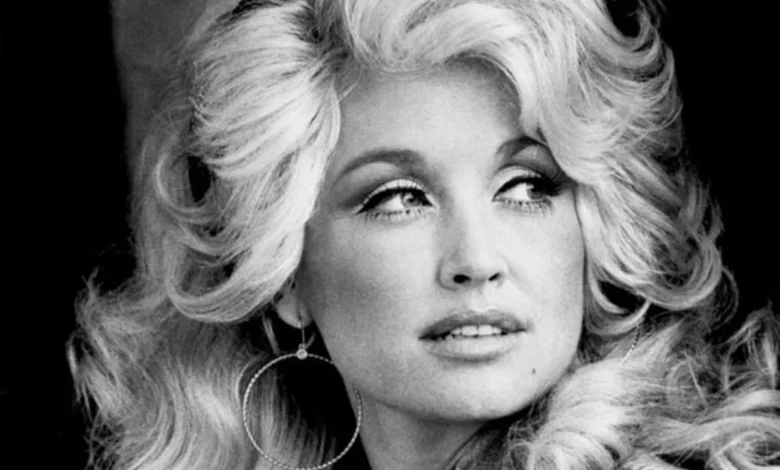
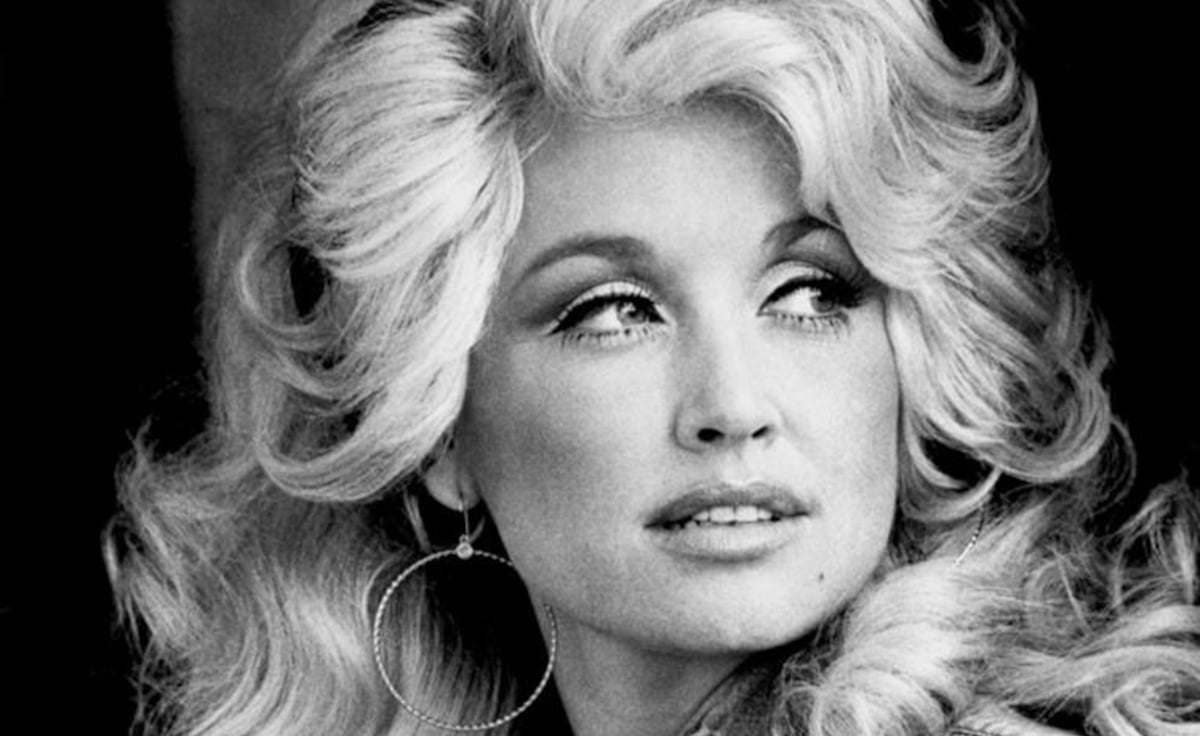
The recent televised tribute to Dolly Parton on ABC exposed a stark reality within the modern commercial country music industry: while mainstream television networks and major labels frequently celebrate the genre’s biggest current hitmakers, today’s top-tier radio stars often lack the vocal range, register command, and fearless confidence that defined Dolly Parton’s legendary career. Parton, who passed away in late 2026, set a gold standard for vocal artistry, effortlessly bridging the gap between traditional country twang, bluegrass, gospel, and sweeping pop appeal.
While prime-time television specials frequently overlook independent innovators in favor of corporate radio darlings, a rich ecosystem of exceptionally talented artists is carrying Parton’s legacy forward. Operating largely outside the traditional Nashville hit-factory machine—finding audiences through the Americana circuit, independent labels, and viral digital platforms—these emerging singer-songwriters possess the technical proficiency, storytelling depth, and charismatic stage presence necessary to honor and sustain Parton’s monumental footprint in American music.
The Evolution of Country Music’s Vocal Standards
To understand the current gap in mainstream country programming, one must examine how the music industry has transformed since Parton’s rise to prominence. During the mid-20th century, the American music business actively hunted for generational vocalists, placing immense value on raw, unadulterated singing talent. Artists were encouraged to master high registers and push creative boundaries, serving as cultural inspirations.
In contrast, contemporary corporate country radio often prioritizes formulaic production, lifestyle branding, and short-term streaming metrics over vocal acrobatics and lyrical depth. Consequently, many of the nation’s finest traditional and roots-oriented vocalists have been relegated to the independent circuit. These artists tirelessly tour independent venues, build grassroots communities on platforms like Instagram and TikTok, and release critically acclaimed bodies of work that bypass major commercial gateways.
Despite being omitted from mainstream retrospective specials, this diverse cohort of modern performers proves that the future of country music remains vibrant, anchored by women who refuse to choose between commercial viability and authentic artistic integrity.
Emily Ann Roberts: The Acolyte of Traditional Preservation
Among the most direct torchbearers of Parton’s musical ethos is Emily Ann Roberts. Earning national prominence during her run on NBC’s The Voice, Roberts has consistently used her platform to champion Parton’s catalog. Rather than treating these classic tracks as casual cover songs, Roberts approaches them with the reverence of an understudy and an acolyte.
Signed to Sony Music Nashville and earning a nomination for the Country Music Association’s (CMA) New Artist of the Year award in 2026, Roberts seamlessly blends traditional Appalachian sensibilities with modern country production. Her omission from the recent ABC tribute bewildered many critics and purists, yet Roberts continues to honor Parton’s memory in her live performances, treating the legendary icon’s material with a level of grace and vocal precision that few of her mainstream peers can replicate.
Genre-Defying Independent Success: Carter Faith and Emily Zeck
The modern landscape also features artists who emulate Parton’s early career blueprint by defying rigid genre classifications. Carter Faith represents a new wave of female singer-songwriters who resist easy compartmentalization. Her music balances sharp country twang with subtle pop sensibilities, focusing heavily on long-term artistic vision rather than chasing quick radio singles.
This patient, song-first approach has earned Faith critical acclaim, including a nomination for Album of the Year at the Academy of Country Music (ACM) Awards for Cherry Valley, alongside a CMA New Artist of the Year nomination. Faith possesses the sweet-spot vocal range required to tackle complex vocal arrangements, mirroring Parton’s historic ability to transcend genre boundaries without ever compromising her rural roots.
Similarly, Florida native Emily Zeck channels the characteristic warmth and charm that made Parton a household name for decades. While initially building an audience through viral digital content, Zeck transitioned into a serious recording artist with the release of her debut album, Broken In. Tracks like "Old Is Gold" highlight a profound Dolly Parton influence baked directly into Zeck’s songwriting framework.
Reflecting on Parton’s passing, Zeck offered a poignant tribute that resonated across the roots music community: "Country music lost its Matriarch today. The entirety of Dolly’s core nature has been a pillar of my songwriting journey since I was a kid. She inspired generations upon generations of young women to follow their hearts through song. Dolly Parton was truly one of one, and I genuinely believe we won’t see another like her in our lifetime."
Collective Harmony and Appalachian Roots: The Castellows and Sierra Ferrell
Because of Parton’s immense cultural and musical footprint, some critics argue that it will take multiple artists working in tandem to fill the void she left. Enter the Castellows, a family trio hailing from a small town in Georgia. Comprising sisters Eleanor, Powell, and Lily Balkcom—utilizing their great-grandmother’s maiden name—the group relies on powerful sister harmonies that evoke a sepia-toned era of homesteads and tradition.
The Castellows capture a specific aspect of Parton’s legacy: the ability to leverage a wholesome, approachable aesthetic while displaying formidable musicianship and sharp songwriting skills. Much like Parton, who frequently used her physical beauty and gentle demeanor to disarm skeptics and advance her career on her own terms, the Castellows present a deceptively traditional exterior backed by modern tenacity.
For an artist who mirrors Parton’s singular, eccentric brilliance on an individual level, observers frequently point toward Sierra Ferrell. Comparing any living performer to a towering historical figure like Parton is inherently difficult, primarily because Parton was entirely inimitable. Yet Ferrell shares striking parallels with the late icon. Like Parton, Ferrell emerged from extreme poverty in the American South, developing a worldview characterized by deep personal faith coupled with radical inclusivity.
Ferrell’s music functions as a restorative force; she is a songwriter first, possessing a transcendent vocal instrument capable of soaring far beyond standard popular music parameters. Her effortless ability to interpret Parton’s catalog underscores a shared artistic DNA rooted in Appalachian tradition and timeless emotional resonance.
The Next Wave: Hannah Marie Kelley and Hannah Harper
The pipeline of emerging talent dedicated to preserving and expanding upon traditional country aesthetics extends even further into the digital and competitive spheres. Hannah Marie Kelley, an Appalachian native, has built a massive online following by reinterpreting classic standards like "Jolene" alongside original material such as "Baby Love." Kelley possesses not only the vocal agility required for high-register country music but also the magnetic charisma that characterized Parton’s early television appearances.
Meanwhile, fresh institutional pathways are producing artists equipped to carry these traditions forward. Hannah Harper, a 26-year-old native of Willow Springs, Missouri, captured national attention by winning the 24th season of American Idol, making her the first female competitor to claim the title in two decades. Heavily influenced by the same bluegrass and gospel traditions that shaped Parton’s formative years, Harper represents a new generation of mainstream-adjacent talent capable of introducing classic vocal stylings to broader commercial audiences.
Industry Implications and Future Outlook
The oversight of these independent and roots-oriented vocalists during major television tributes highlights a persistent disconnect between corporate network programming and the true pulse of contemporary country music. While mainstream award shows and network specials frequently prioritize commercial safety and heavy label backing, the cultural preservation of the genre’s foundational pillars is actively occurring within the Americana circuits, independent streaming platforms, and regional live music venues.
As the industry navigates the post-Parton era, the success of artists like Roberts, Faith, Zeck, the Castellows, Ferrell, Kelley, and Harper demonstrates that the demand for authentic storytelling, formidable vocal capability, and uncompromising artistic vision has never been higher. While no single performer can replace Dolly Parton, her enduring blueprint survives through a dedicated roster of modern women who continue to challenge industry norms, honor their roots, and push the boundaries of American songcraft.
Related posts: