Spanish Punk Band Airbag Loved Weezer So Much They Played Entire Sets of Covers in Their Early Years: We Wanted to Be Like Them

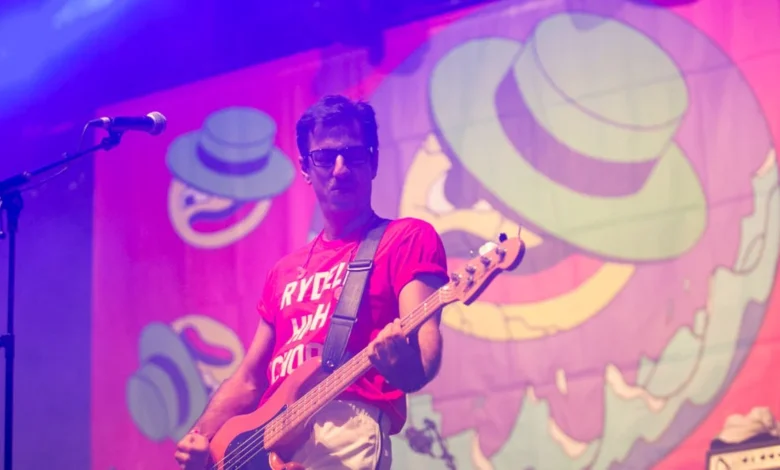
The trajectory of a band’s sound is rarely a linear path, but for the Spanish punk rock trio Airbag, the blueprint for their artistic evolution was laid out in the early 2000s, heavily influenced by the power-pop and alternative rock sensibilities of the American outfit Weezer. Long before the release of their ninth studio album, Una extraña fuerza, the Spanish group—comprised of Adolfo Díaz, José Andrés, and Pepe Manrique—found themselves so deeply enamored with the Rivers Cuomo-led project that they briefly pivoted from their own original material to perform dedicated tribute sets. This formative period, characterized by a meticulous study of Weezer’s song structure and aesthetic, serves as a testament to the cross-continental reach of mid-90s American alternative rock.
A Foray into Tribute Performance
In a recent interview with the Spanish music publication CrazyMinds, frontman Adolfo Díaz provided insight into this obscure chapter of the band’s history. During the early 2000s, while the trio was actively working to establish their footprint in the Spanish punk rock underground, they initiated a side project that functioned exclusively as a Weezer tribute act.
"We started a project alongside Airbag, just for fun, where we only played Weezer covers," Díaz explained. "Our first show like that was in the early 2000s." The project was a full-band affair, occasionally augmented by a second guitarist to replicate the dense, layered guitar production characteristic of Weezer’s early studio work. According to bassist José Andrés, the group performed approximately five or six concerts in this capacity. These were not casual jam sessions; the band took the task of "presenting" the Weezer discography quite seriously, often dedicating entire performances to specific albums.
Most notably, the band curated a show focused on Weezer’s 2001 release, The Green Album. The dedication went beyond the audio; the trio mirrored the album’s minimalist marketing by posing for concert posters against a solid green background, effectively mimicking the visual identity of the American band to signal the nature of the performance to their audience.
The Philosophy of "Being Like Weezer"
The influence of Weezer on Airbag was not merely a fleeting infatuation; it was a foundational ambition. In a 2000 interview conducted around the time of the release of their debut album, Mondo Cretino, the band was asked about their long-term aspirations. Their response, recorded early in their career, was strikingly direct: "We want to be like Weezer when we grow up."
At the time, the Spanish music landscape was dominated by raw, high-energy punk. Airbag, however, sought to bridge the gap between that unbridled energy and the sophisticated melodic precision that Weezer had mastered. For Díaz and his bandmates, Weezer represented a rare synthesis: the distortion and rhythmic drive of punk rock paired with the intricate, hook-heavy songwriting of classic pop. This philosophy became the bedrock of Airbag’s sound—a blend of melodic sensibilities and aggressive instrumentation that has defined their career for nearly three decades.
Chronology of an Artistic Evolution
The relationship between the two bands spans several distinct eras in modern rock history.
- 1994–1996: The emergence of the "Weezer sound" through the Blue Album and Pinkerton, which would define the power-pop revival of the decade.
- 2000: Airbag releases their debut, Mondo Cretino, while publicly citing Weezer as their primary stylistic North Star.
- 2001–2003: Airbag engages in their short-lived, intensive Weezer tribute project, performing across Spain and refining their understanding of harmonic structure and song arrangement.
- 2004–2025: Airbag establishes themselves as a cornerstone of the Spanish punk scene, releasing a series of albums that gradually moved from pure influence to a distinct, localized sound.
- 2026: Airbag releases their ninth studio album, Una extraña fuerza, via Sonido Muchacho. The record represents a culmination of years of honing their craft, retaining the melodic polish they first admired in Cuomo’s writing while cementing their own identity within the Spanish-language rock circuit.
Broader Implications: The Transatlantic Influence of Alternative Rock
The case of Airbag highlights the often-understated influence of the 1990s alternative rock explosion on global music scenes. While bands like Weezer, Nirvana, and Green Day were dominating the charts in North America, their records were simultaneously shaping the sensibilities of musicians in Europe and beyond.
The fact that a Spanish punk band would go to the lengths of staging album-specific tribute shows illustrates a shift in how bands of that era viewed their influences. Rather than simply covering a hit single, Airbag utilized the tribute project as a pedagogical tool. By learning how to play The Green Album from start to finish, the members of Airbag were essentially taking a masterclass in songwriting, tempo management, and studio-quality performance techniques. This "learning by doing" approach helped them transition from a burgeoning garage band into a veteran group capable of sustaining a multi-decade career.
Weezer’s Ongoing Legacy
While Airbag has been busy carving out their legacy, Weezer has continued their own prolific trajectory. In August 2026, the American band released their 20th studio album, another self-titled effort, to a generally positive reception. The release served as a marker for a band that has managed to survive the fickle nature of the music industry by constantly re-evaluating their sound while maintaining the core identity that first drew fans—and fellow musicians like Airbag—to them in the 90s.
On October 24th, 2026, Weezer concluded the North American leg of "The Gathering" tour with a performance in Los Angeles. The tour has since moved toward international markets, with scheduled dates in Japan, the United Kingdom, and various European countries throughout 2027. The longevity of both bands—one a seminal American power-pop act and the other a durable Spanish punk staple—underscores the endurance of the melodic punk genre.
Analysis: From Imitation to Innovation
Music critics often note that the "tribute phase" is a common rite of passage for young bands, but it is rarely the defining feature of a group’s history. For Airbag, the transition from imitating Weezer to establishing their own voice was marked by the successful integration of their influences into their native language and cultural context.
Una extraña fuerza serves as the latest evidence of this integration. The album features the signature distorted guitars that would make any 90s-era alternative fan feel at home, yet it is clearly a product of the band’s own unique experiences and growth. By analyzing the trajectory of Airbag, one can observe how the "imitation" of one’s heroes, when conducted with genuine intent and technical rigor, can eventually provide the necessary foundation for true artistic independence.
As the music industry continues to evolve, the story of Airbag provides a pertinent reminder that inspiration is a vital engine for growth. Whether through the direct homage of a tribute set or the subtle influence of a songwriting style, the exchange of ideas between bands remains the most effective way to keep the spirit of rock and roll evolving, regardless of geography or language. For the members of Airbag, the "Weezer project" was never about mimicking success; it was about understanding the mechanics of a sound they loved, and in doing so, they learned how to build a career that has lasted nearly thirty years.