Nach Regierungswechsel: EXIT Festival kündigt „historische“ Rückkehr nach Novi Sad an

The Chronology of an Unlikely Exile
The road back to the Petrovaradin Fortress has been fraught with challenges that transformed the festival from a purely musical endeavor into a symbol of political resistance. The crisis began in November 2024, following the tragic collapse of a railway station canopy in Novi Sad—a disaster that galvanized public anger against the prevailing administration.
The EXIT Festival, which has historically positioned itself as a platform for social change, took a firm stance in solidarity with the subsequent student-led protests. This defiance drew immediate retaliatory pressure from the then-authoritarian government. By June 2025, the organizers reached a breaking point, publicly announcing their departure from Serbia. The 2026 edition was subsequently cancelled, and the brand was forced to pivot toward international markets to survive.
Between 2025 and 2026, the festival demonstrated remarkable resilience, hosting satellite editions in diverse locations including Croatia, Monaco, Spain, and Egypt. These events allowed the organization to maintain its operational capacity and global relevance during a period of displacement. However, the political landscape in Serbia began to shift in late 2026. The student-led movement, which had been the catalyst for the festival’s initial protests, successfully organized and achieved a historic victory at the ballot box, effectively ending the previous regime. This electoral success paved the way for the negotiations that ultimately led to the announced homecoming.
Operational Realities and Future Milestones
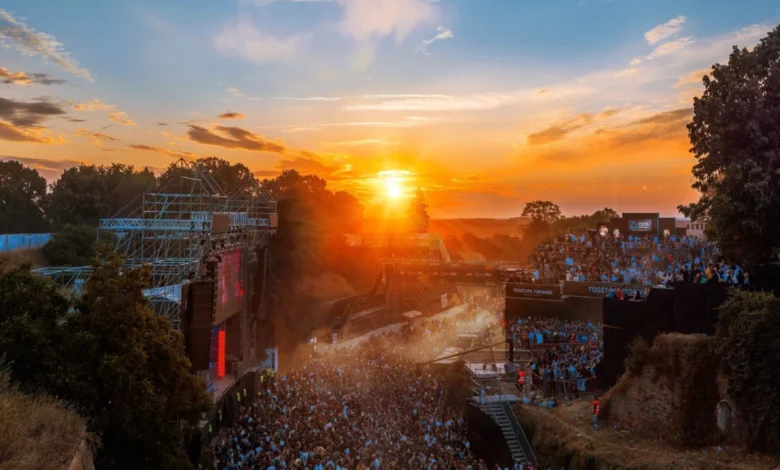
Despite the celebratory nature of the announcement, the return to Novi Sad will not be instantaneous. The complexity of organizing a festival of the scale of EXIT—which typically draws over 200,000 visitors annually—requires an extensive 18-month planning cycle to ensure safety, infrastructure readiness, and complex logistics at the heritage site of the Petrovaradin Fortress.
Consequently, the organizers have announced a two-tiered return strategy:
- Summer 2027: A "limited edition" festival will be held to mark the official return to the fortress, acting as a bridge between the nomadic period and the full-scale production.
- Summer 2028: The restoration of the full-scale EXIT Festival experience, aiming to return to its pre-exile capacity and production standards.
The 18-month lead time is essential, given the technical requirements of transforming a 17th-century fortress into a modern, multi-stage music venue. The organizers are currently working with local authorities to assess the site’s infrastructure following the two-year hiatus.
The Philosophical Core of the EXIT Brand
To understand the weight of this homecoming, one must look back to the festival’s origins. Founded in the year 2000, EXIT (the acronym standing for "Exit from the old regime") was born as a student-led peace movement in the wake of the Balkan conflicts. It served as a vital cultural bridge, helping to reintegrate Serbia into the European community through the universal language of electronic, rock, and alternative music.
Dušan Kovačević, the founder and CEO of the festival, has consistently framed the event as more than a profit-driven enterprise. In his recent statement, Kovačević noted: "Last year, when a new student movement fought for freedom and justice, we simply had to stand by their side—even if it meant sacrificing everything we had built. Thanks to the courage of the students, freedom has returned to our country. And after we have carried the spirit of EXIT into the world, we are finally coming home."
This sentiment is echoed by long-term observers of the festival who note that EXIT’s brand identity is inextricably linked to the concept of "freedom." Its departure was interpreted by many as an admission that the country had lost the values the festival was founded to promote, and its return is being framed by supporters as a "restoration of the soul" of the Serbian youth movement.
Economic and Cultural Implications
The return of the festival carries significant economic weight for the city of Novi Sad and the broader Vojvodina region. Prior to its departure, the festival was a major contributor to the Serbian tourism economy, with studies from the early 2020s estimating an annual economic impact of over €20 million. The influx of international visitors, the employment of thousands of local staff, and the promotion of the country’s nightlife sector are expected to receive a substantial boost.
Furthermore, the homecoming serves as a barometer for the nation’s democratic health. International investors and cultural institutions often look to the stability of such major events as an indicator of political climate. The successful execution of the 2027 and 2028 editions will likely act as a signal to the European cultural sector that Serbia is once again a stable, open environment for large-scale international gatherings.
Data-Driven Analysis of the Festival Sector
The festival industry at large has faced significant headwinds between 2024 and 2026. Data from the European Festival Association indicates that the cost of production for large-scale outdoor events rose by approximately 25% during this period, driven by inflation, increased security requirements, and the rising cost of international artist logistics.
EXIT’s ability to survive this period while simultaneously operating in multiple foreign countries is an outlier in the industry. Typically, festivals that lose their home site fail to maintain their brand equity. However, the "nomadic" strategy allowed EXIT to expand its database and brand recognition in Western Europe and the Middle East, potentially resulting in a more diverse audience profile for the 2028 homecoming. Industry analysts suggest that the "homecoming" narrative will likely serve as a powerful marketing tool, potentially leading to record-breaking ticket sales for the 2028 edition as fans from across the globe look to participate in the milestone event.
Perspectives from Stakeholders
While the official announcement has been met with enthusiasm on social media, the transition period will be closely monitored by local residents and regional cultural bodies. The challenges of managing a massive, multi-day event in a sensitive historic location are significant. Local authorities in Novi Sad have expressed a willingness to support the festival’s return, recognizing its role as the city’s primary cultural export.
"The festival is not just a series of concerts; it is a vital part of the urban fabric," says a representative of the local hospitality association. "The past two years have shown the city what life is like without the influx of international energy that EXIT brings. Its return is widely viewed as a signal that the city is ‘open for business’ again."
Looking Ahead
As the organization pivots toward the summer of 2027, the primary focus will be on the "limited edition" production. While the exact lineup and scope of this event remain under wraps, the organizers have promised that the artistic vision will remain true to the roots of the festival—a blend of electronic music, social activism, and the unique, fortress-based atmosphere that has made it a destination for music lovers worldwide.
The saga of EXIT Festival’s exile and return will likely be studied as a case study in crisis management for the live entertainment industry. It highlights the delicate balance between commercial success and ideological commitment. By prioritizing its foundational values of freedom and justice over short-term revenue in 2025, the organization gambled its future on a political outcome. That gamble, according to the current leadership, has paid off.
As the countdown begins for the 2027 return, the global music community will be watching Novi Sad. Whether the festival can reclaim its position as one of Europe’s premier cultural gatherings will depend on its ability to execute its ambitious transition plan while navigating the complexities of a nation in recovery. For now, the message from the Petrovaradin Fortress is clear: the exile is over, and the spirit of the movement is ready to restart.
Related posts: