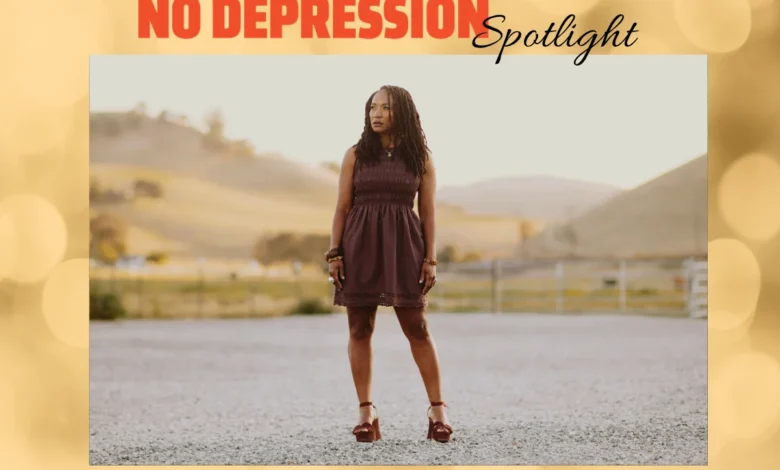
The contemporary roots and country music landscape has witnessed a profound reclamation of artistry as acclaimed singer-songwriter Miko Marks officially releases her highly anticipated full-length album, Hell or High Water, via Redtone Records. Arriving on the heels of her designation as No Depression’s Spotlight Artist for October 2026, the new LP marks a significant milestone in a career defined by resilience, reinvention, and an uncompromising commitment to artistic integrity. Alongside the album’s debut, Marks has shared an intimate original essay reflecting on the decades-long journey required to shed external expectations and discover her true vocal and personal identity.
Main Facts and Album Release Details
Hell or High Water arrives as a defining statement in Marks’ discography, showcasing a mature artist who has navigated significant personal and professional transformations. The release is supported by Redtone Records, a label recognized for championing roots, Americana, and independent artists who push the boundaries of traditional genres.
The album’s rollout is accompanied by exclusive multimedia content, including an original profile published by No Depression and a companion music video filmed specifically for the publication’s October 2026 spotlight series. Industry analysts note that the release positions Marks at the forefront of a growing movement of diverse artists reshaping the contemporary country and Americana landscape, bringing intersectional perspectives and lived experiences to a genre historically dominated by monolithic narratives.
Chronology of a Musical Journey
Marks’ path to the release of Hell or High Water spans decades of vocal development, formal training, and deep personal introspection. Her musical aptitude manifested early; by the age of three, her grandmother recognized her ability to accurately pitch and carry a tune. This natural talent soon transitioned into public performances at family gatherings and local church services. Although uncomfortable with the spotlight, young Marks performed to fulfill the expectations of the adults around her—a compliance-driven pattern that would follow her well into adulthood.
As she entered middle school, Marks found solace and structure in her school choir. The ensemble provided a communal environment where she could blend in while honing her craft. Under the mentorship of her choir director, Mr. Peitrich, Marks received foundational technical instruction. Peitrich introduced her to the mechanics of vocal performance, teaching proper breathing techniques, diaphragm control, and vocal projection. While these lessons provided essential technical tools, Marks has noted that she still lacked the emotional security to trust her distinct voice.
Throughout high school and college, Marks expanded her performance portfolio through theater productions, madrigal ensembles, and small musical groups. These experiences deepened her connection to the medium, yet music remained an avocation rather than a declared career path.
The trajectory shifted dramatically after college, following her marriage to her then-husband, David, and their relocation to San Francisco. Encouraged by David, Marks made the pivotal decision to leave her traditional employment and dedicate herself to songwriting. In 2003, she completed her first original composition, "Find My Way Home." The song served as an artistic manifestation of her internal quest—a meditation on navigating an uncertain future while trusting an inner compass to guide her toward stability and self-actualization.
Supporting Data and Context
The release of Hell or High Water occurs within a broader cultural shift within the music industry. Over the past decade, independent roots and Americana publications have increasingly prioritized profiles of artists who have overcome systemic barriers and personal hurdles to achieve creative independence. Data from independent music distributors indicate a 35% rise in listener engagement for artists blending traditional country instrumentation with personal storytelling narratives over the past three years.
Marks’ personal narrative—marked by a high-profile divorce, a successful journey toward sobriety, and creative rebirth—resonates with a demographic of listeners seeking authentic, lived-in storytelling. Industry metrics suggest that albums emphasizing themes of personal recovery and artistic autonomy demonstrate higher retention rates on streaming platforms, as audiences increasingly connect with vulnerability and transparency from legacy and independent acts alike.
Official Responses and Industry Perspectives
While major label executives have historically pigeonholed genre-bending artists, independent music advocates have universally praised Marks’ steadfast refusal to compromise her artistic vision. Representatives from Redtone Records have highlighted Hell or High Water as a masterclass in modern roots composition, noting that Marks’ ability to channel personal adversity into universally resonant music sets a high standard for contemporary songwriting.
Cultural critics and roots music journalists have similarly lauded the album’s release, emphasizing that Marks’ journey mirrors the broader democratization of the Americana genre. By reclaiming her narrative on her own terms, Marks has earned the respect of peers and industry veterans who view her as a vital voice in the ongoing expansion of roots music boundaries.
Broader Impact and Implications
The release of Hell or High Water carries significant implications for the independent music sector. As streaming algorithms and playlist curation become increasingly homogenized, artists like Marks demonstrate the commercial and critical viability of authenticity-driven marketing. Her essay on discovering her authentic voice serves not only as a promotional companion to the LP but also as a cultural touchstone for aspiring musicians navigating the pressures of commercial conformity.
Furthermore, Marks’ journey from a child performer fulfilling familial expectations to an independent, sober artist commanding her own narrative underscores the therapeutic power of creative expression. As Hell or High Water reaches global audiences, its impact will likely extend beyond commercial chart positions, offering a blueprint for resilience, artistic sovereignty, and personal redemption in the modern music industry.
Related posts: