On July 21, 2026, Michael Fairbairn delivered a comprehensive review of the DM Connect Clara USB-A to USB-B cable, a high-end audio accessory priced at £498. The review, published by Hifi Pig, details the cable’s construction, presentation, and sonic performance, drawing parallels with DM Connect’s previously lauded NASA N1 CAT8 Ethernet cable. Fairbairn’s assessment positions the Clara as a premium component designed to address specific sonic challenges in modern digital audio systems.
Genesis of DM Connect and the Clara Philosophy
DM Connect, a brand born from the expertise of NuPrime Audio’s award-winning American cable development team, including notable figure Demian Martin, aims to redefine the perception of digital cables. This venture is bolstered by the engineering prowess of NuPrime founder Jason Lim, recognized for his significant contributions to high-performance audio electronics. The Clara USB cable embodies this philosophy, moving beyond the notion of a simple data conduit. DM Connect asserts that the Clara is meticulously engineered to combat electrical noise, vibration, and interference—factors that can degrade the performance of contemporary computer and streamer-based audio setups. Fairbairn’s prior positive encounter with the NASA N1 Ethernet cable set a high bar for his expectations regarding the Clara’s ability to marry engineering excellence with musicality.
Unboxing the Experience: Premium Presentation and Build Quality
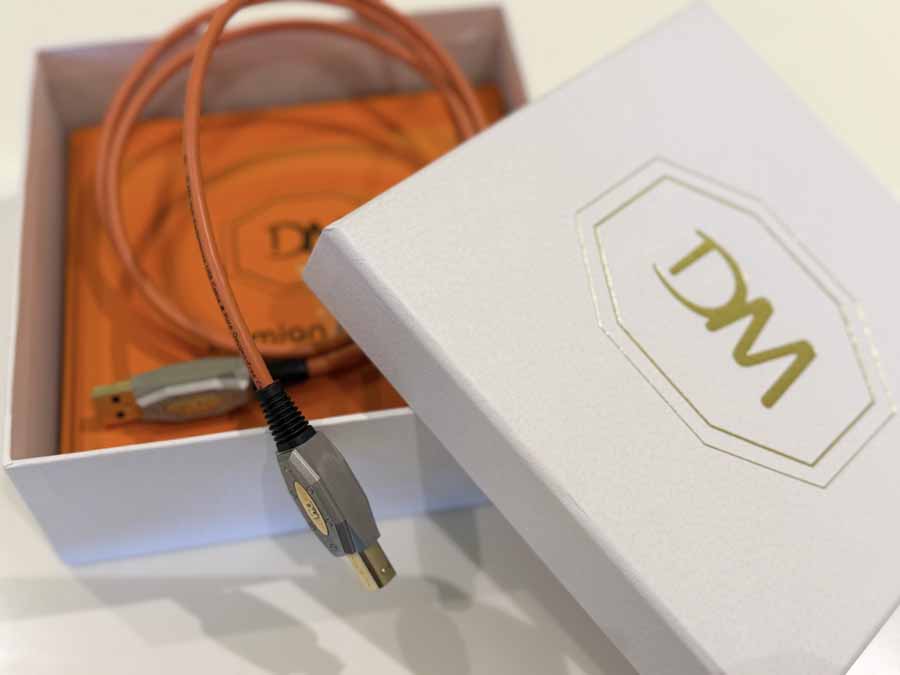
The unboxing experience for the DM Connect Clara USB-A to USB-B cable mirrors that of its predecessor, the NASA N1 Ethernet cable, establishing an immediate sense of luxury and meticulous attention to detail. Fairbairn highlights that DM Connect’s approach extends beyond the product itself, encompassing the entire customer experience. The packaging is described as first-class, transitioning from an outer protective layer to a premium white presentation box adorned with an embossed gold logo. Inside, the cable is neatly presented, further enhanced by branded tissue paper, a drawstring cloth bag, a product information booklet, and an individually numbered authenticity card.
While some might perceive these elements as extraneous, Fairbairn argues they contribute significantly to the feeling of owning a "genuinely special" item, justifying the premium price point by making the unboxing a part of the overall enjoyment for those who invest in high-quality audio equipment.
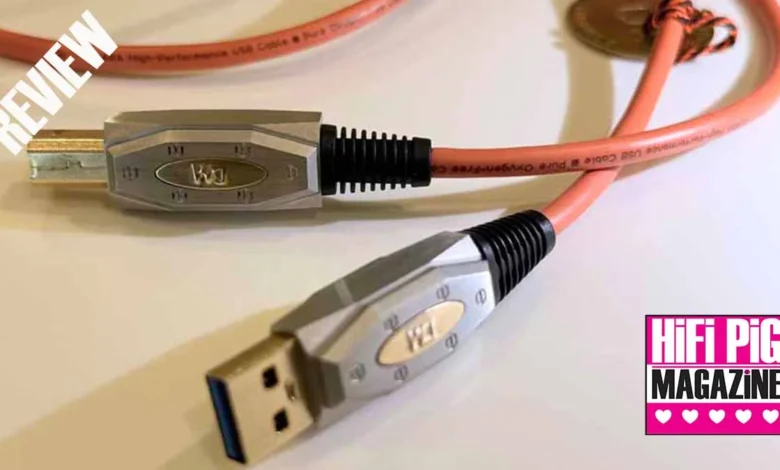
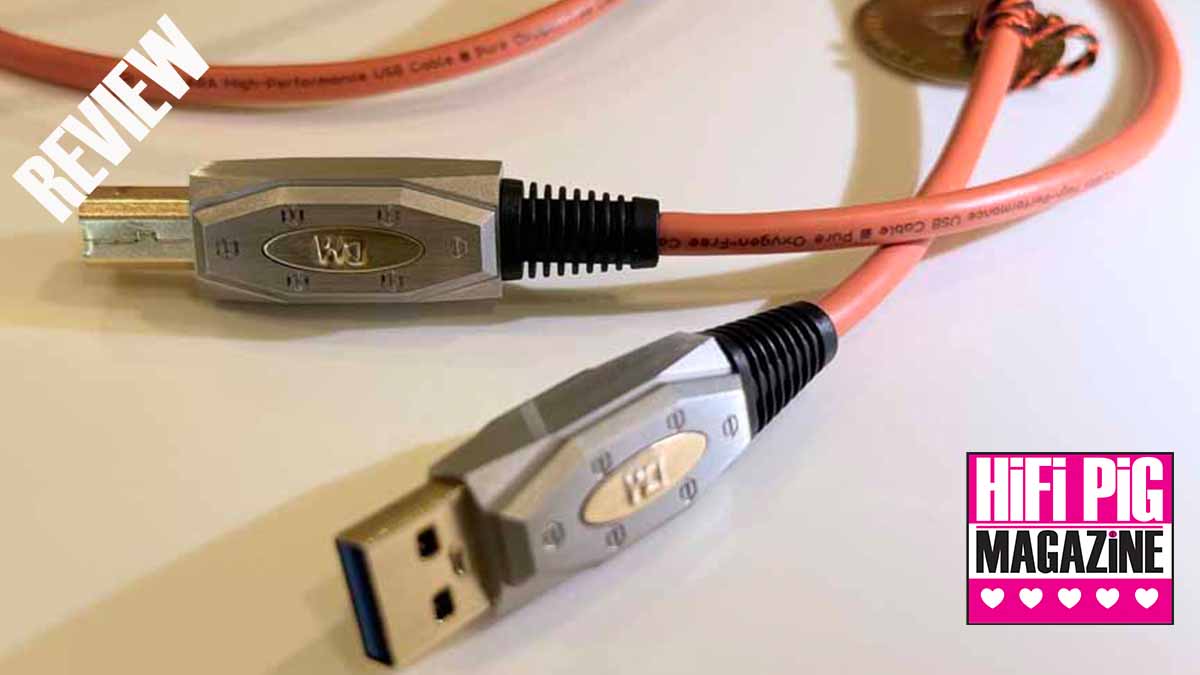
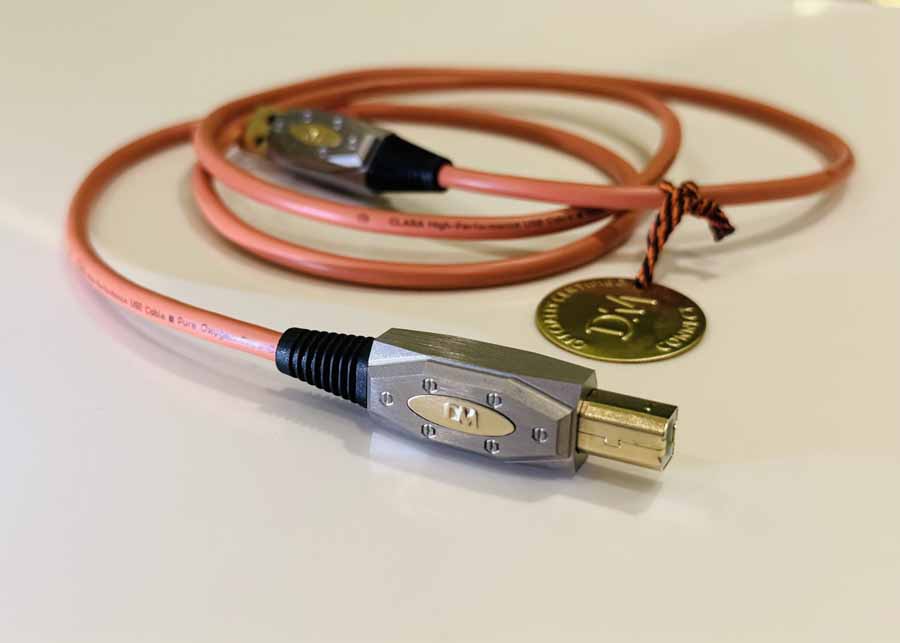
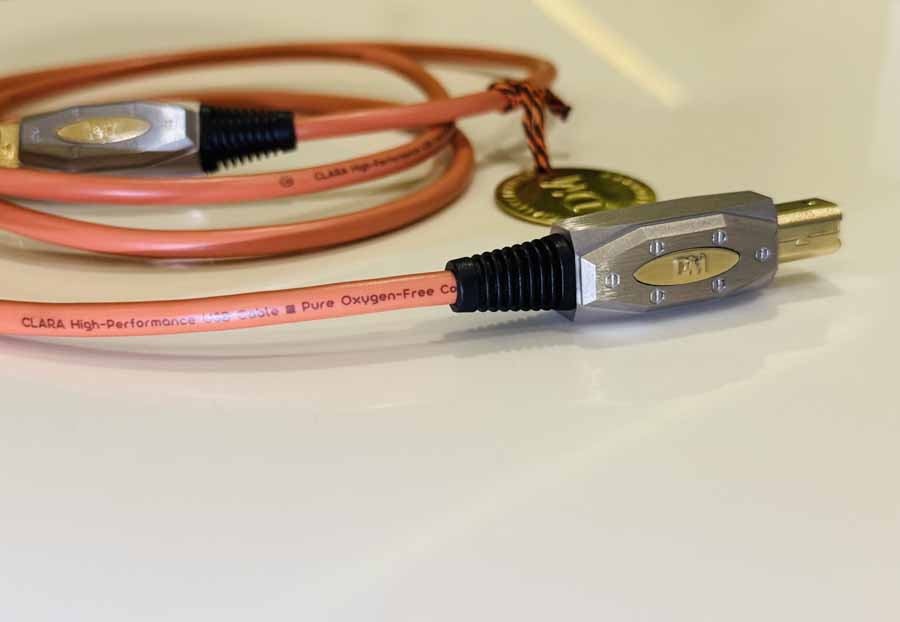
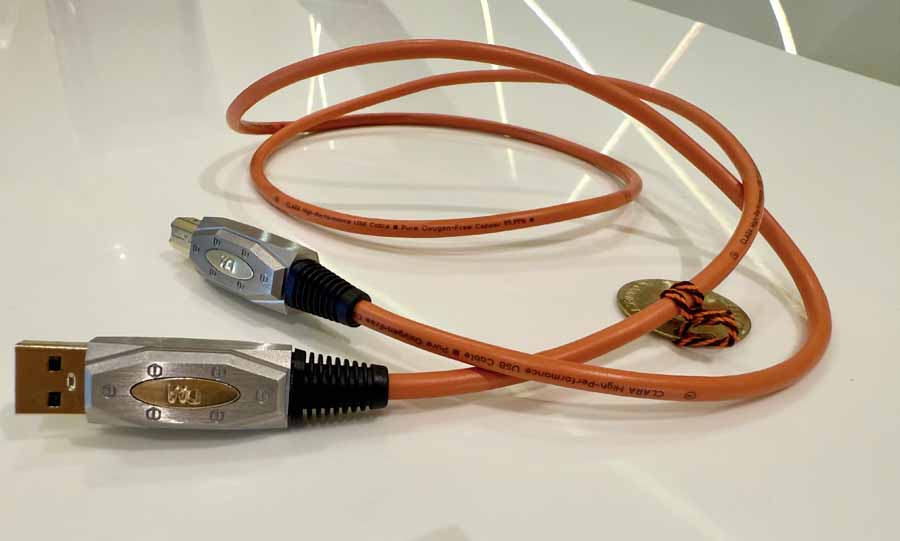
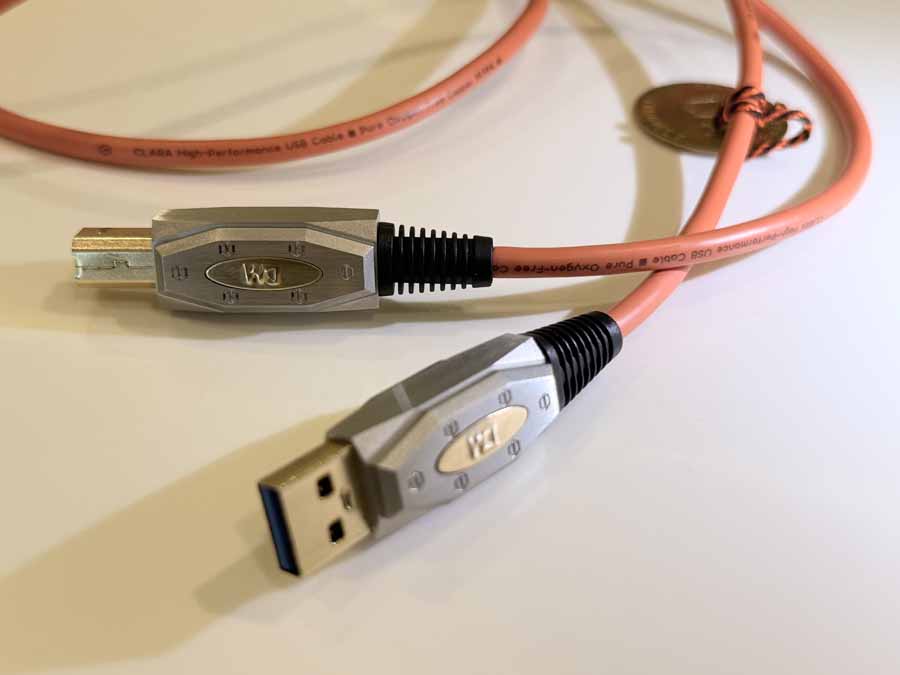
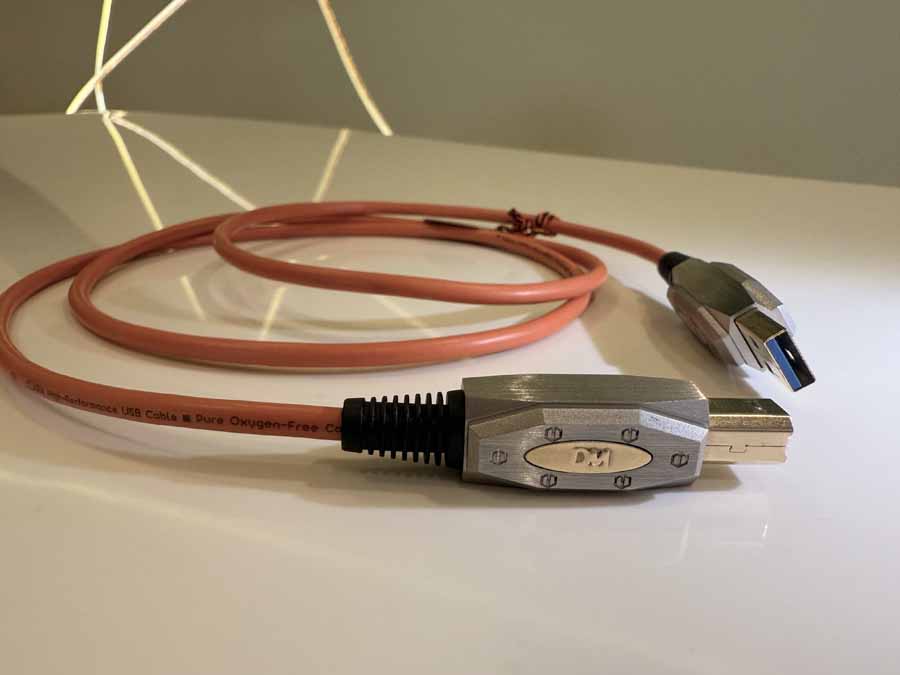
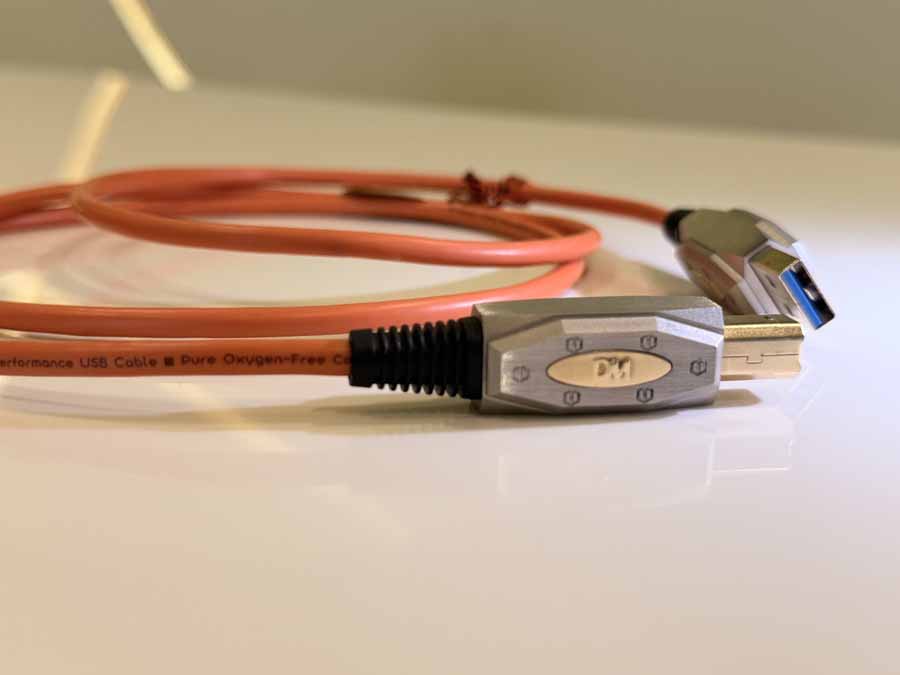
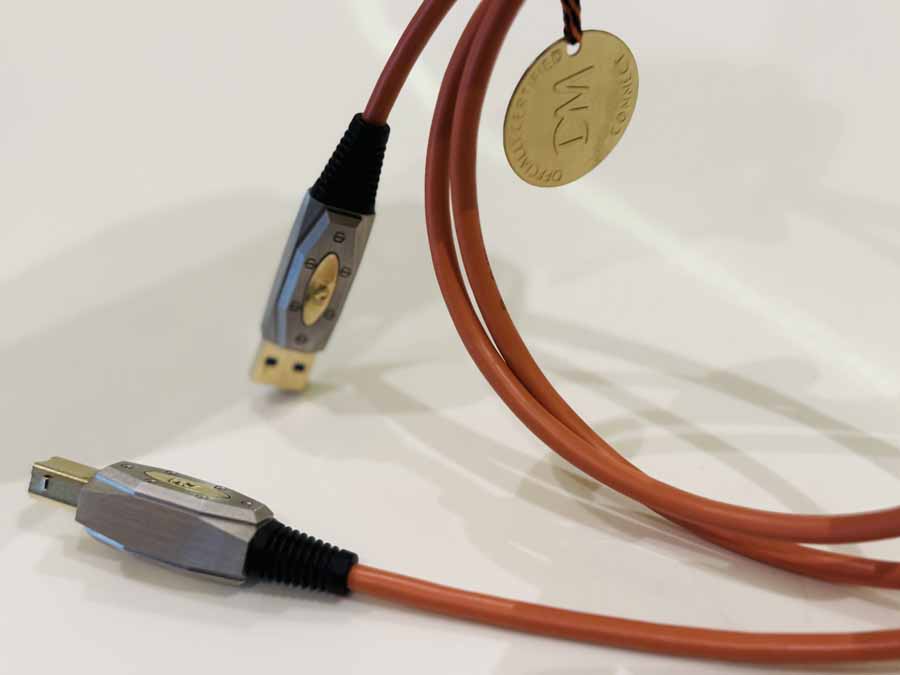
The cable itself garners praise for its tangible qualities. Fairbairn notes a surprising aesthetic appeal for a component often relegated to the background. The Clara strikes a commendable balance between flexibility and rigidity, facilitating easy installation behind audio racks without compromising its form or risking damage. The materials feel durable and pleasant to the touch, while the substantial metal USB-A and USB-B connectors exude high quality. This tactile satisfaction, he suggests, is a testament to the careful design and manufacturing process.
Engineering Under the Hood: The "Art of Fusion"
DM Connect’s commitment to engineering is evident in the Clara’s construction. The company employs its proprietary "Art of Fusion" design philosophy, which integrates materials such as stainless steel, raw copper, and vibration-damping compounds. The primary objective of this approach is to minimize electrical noise and interference. The cable incorporates multiple layers of shielding, carefully selected conductor materials, and precision manufacturing techniques, all aimed at ensuring the cleanest possible signal transmission between the digital source and the Digital-to-Analog Converter (DAC).
While Fairbairn acknowledges that some of the intricate engineering details might be beyond his immediate technical grasp, he emphasizes his appreciation for a manufacturer that leaves no stone unturned. The technical documentation suggests that every facet of the Clara’s construction has been deliberately considered, eschewing off-the-shelf components in favor of specialized solutions. Subtle yet significant details, such as the engraved DM branding on the connectors, the precision of the machining, and the uniformity of the finish, collectively communicate a sense of pride in the final product. These small touches, Fairbairn contends, often serve as indicators of the overall quality and thought invested in a product.
The cable’s visual appeal is also noted, with its distinctive orange color providing a striking contrast against the often monochrome aesthetic of high-fidelity audio equipment. This element, while subjective, adds another layer of user satisfaction, making it a component that is not only functional but also visually pleasing from the listening position.
The Digital Cable Debate: Context and Justification
The role and efficacy of high-end digital cables, including USB cables, in audio systems have long been a subject of fervent debate within the audiophile community. Fairbairn directly addresses this by referencing the common argument that digital signals consist of "ones and zeros," implying that the nature of the transmission medium should be inconsequential. He contrasts this with the counterargument that even digital-to-digital connections can be influenced by the quality of the transmission path.
Fairbairn aligns himself with a pragmatic perspective, suggesting that if an individual has invested significantly in high-quality audio components, then extending that investment to cabling, including USB cables, becomes a logical step for those who can afford it. He draws upon personal anecdotes, referencing his father’s adage to "buy the best that you can afford," regardless of the specific price bracket.
He further illustrates this point with an analogy: the performance of a high-performance automobile can be significantly impacted by the quality of its tires. Similarly, he posits, the overall performance and user experience of an audio system might be subtly influenced by the quality of its interconnects. While acknowledging the validity of using bundled or basic cables, Fairbairn suggests that for those seeking to optimize their listening experience, upgrading cables can enhance enjoyment and contribute to a more satisfying overall system.
Moreover, Fairbairn touches upon the aspect of resale value. He notes that while cheaper cables may offer little to no return on investment, higher-quality, well-regarded cables can retain their value and appeal to other enthusiasts, offering a potential avenue for recouping some of the initial expenditure. This economic consideration adds another dimension to the justification for investing in premium digital cables.
Setup and Performance: Sonic Impressions
The DM Connect Clara USB-A to USB-B cable was integrated into Fairbairn’s test system, connecting an Onix XDA20 DAC (priced at £2399) with the FiiO SR11 Desktop Streamer (priced under £100). He acknowledges the apparent price disparity but justifies the pairing by highlighting the FiiO SR11’s strong performance as a standalone product. The setup process was described as straightforward "plug-and-play," requiring no complex configuration.
Fairbairn’s sonic evaluations focused on three specific tracks, each chosen for its distinct characteristics:
-
"The Hand That Feeds" by Nine Inch Nails: This track, sourced from Qobuz via Roon, was noted for its impactful transient hits, which Fairbairn described as "superb." The immediacy and power of these attacks were particularly praised, eliciting a visceral response and a strong sense of engagement.
-
"Lilac Wine" by Jeff Buckley: Described as a "stunning performance," Buckley’s vocal delivery on this track was lauded for its intimacy and depth. Fairbairn reported hearing the performance with enhanced clarity and a greater sense of presence, stating he was "blown away" by the improvement over previous listening experiences.
-
"Descending" by The Black Crowes: This track was appreciated for its "gorgeous vibe" and the clarity of the laid-back slide guitar, which cut through the mix effectively. The overall heft of the track was deemed well-balanced, avoiding overbearing qualities, while Chris Robinson’s vocals were perceived as intimate and appropriately rendered. The piano passages in the intro and outro were specifically highlighted as "pure bliss."
These sonic observations suggest that the Clara cable contributes to a more defined, immediate, and emotionally resonant listening experience, particularly in its ability to convey transient detail, vocal intimacy, and instrumental separation.
Conclusion and Award
Michael Fairbairn concludes his review of the DM Connect Clara USB-A to USB-B cable with a highly positive assessment, awarding it a perfect score of 5 out of 5 stars and a Hifi Pig 5 Hearts Award. He finds the cable to be an "incredibly well-made product with a genuinely premium feel and a proper investment in the system upgrade path."
The cable’s strengths lie in its flawless build quality, refined presentation, and the tangible sense of quality it imparts. Fairbairn reiterates that the Clara excels at performing its fundamental function—transmitting digital data—while simultaneously addressing the subtle sonic degradation that can occur in digital audio chains. In his system, the cable contributed to a more "settled and enjoyable" musical presentation, without demanding excessive analytical effort from the listener.
The £498 price point for a standard 1.2-meter length places the Clara firmly in the realm of considered upgrades rather than impulse purchases. It is recommended for audiophiles who have already established a robust digital audio setup and are seeking to optimize every link in their signal chain, including the USB connection. For those who appreciate products that exhibit meticulous design and thoughtful execution, the Clara is presented as a worthy contender.
At a Glance: DM Connect Clara USB-A to USB-B
Build Quality and Features:
The CLARA USB-A to USB-B cable exhibits a premium feel, characterized by first-class packaging, substantial metal connectors, and a well-balanced construction offering both flexibility and rigidity.
Sound Quality:
In Fairbairn’s system, the cable was noted to enhance the accuracy and immediacy of transient hits. Vocals and instruments benefited from a pleasing sense of clarity, intimacy, and ease.
Value for Money:
At £498 for a standard 1.2-meter length, the CLARA is positioned as a considered upgrade, best suited for individuals with established, high-quality digital audio systems.
We Loved:
- The meticulous build, finish, and thoughtful design details.
- Its plug-and-play simplicity, ease of integration, and aesthetically pleasing appearance from the listening position.
- The premium packaging and presentation, which create a sense of luxury from the outset.
We Didn’t Love So Much:
- No significant drawbacks were identified by the reviewer.
Elevator Pitch Review:
The DM Connect CLARA is a beautifully crafted USB cable that offers a premium experience without ostentation. It is user-friendly and, in the reviewer’s setup, introduced enhanced accuracy, clarity, and overall enjoyment to the digital audio chain. While not an inexpensive accessory, it represents a substantial upgrade for existing decent systems, demonstrating that every component can be treated with meticulous consideration.
Price: £498 (for a standard 1.2m / 4 feet length)
Supplied Specifications:
- Rated Voltage: 30V
- Rated Temperature: 80°C
- Conductor Resistance: 30AWG-381Ω/KM Max at 20°C; 24AWG-94.2Ω/KM Max at 20°C
- Insulation Resistance: DC-500V 100MΩ.KM MIN at 20°C
- Dielectric Strength: AC-500V/1min, No Breakdown
- Differential Impedance: 90±7Ω
- Bending test: Load 300g, ±60°, R=25.4mm, 30 Cycles/min, 3000 Cycles
- Environmental Conservation: RoHS (REACH)