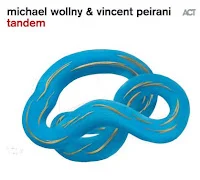
The European contemporary music landscape has long been defined by its ability to transcend rigid genre boundaries, seamlessly weaving together elements of classical discipline, jazz improvisation, and world folk traditions. A prime example of this cross-pollination is found in the creative partnership between acclaimed German pianist Michael Wollny and visionary French accordionist Vincent Peirani. In their collaborative project, simply titled Tandem, the duo presents a daring and meticulously crafted repertoire that spans original compositions and bold reinterpretations of works by iconic artists such as Björk, Samuel Barber, and Sufjan Stevens. Written by Sylvannia Garutch, the critical reception of this collaboration highlights a shared cavalier ingenuity that has captivated audiences across international stages, cementing both musicians as leading figures of their respective generations in modern European improvised music.
Main Facts and Musical Architecture
At its core, the collaboration between Wollny and Peirani is a masterclass in acoustic chamber jazz and spontaneous arrangement. The repertoire they have built for Tandem is deliberately eclectic, utilizing the starkly contrasting yet complementary sonic profiles of the grand piano and the accordion. Rather than relying on traditional rhythm sections, the two instrumentalists create a rich, self-sustaining dialogue that fills the sonic space with dynamic tension, intricate counterpoint, and evocative storytelling.
The performance program features a diverse selection of pieces that defy conventional categorization. Alongside original compositions conceived specifically for this duo format, Wollny and Peirani reinterpret canonical modern classical pieces, avant-garde pop, and introspective folk hymns. This adventurous approach allows them to deconstruct familiar melodies and rebuild them through a prism of jazz sensibilities, chromatic exploration, and cinematic atmosphere. The resulting body of work demonstrates how two distinct musical voices can merge into a unified, highly expressive entity without losing their individual identities.
Chronology and Repertoire Evolution
The genesis of the Tandem project did not happen overnight; it represents the culmination of years of individual artistic maturation and occasional cross-genre experimentation within the European jazz circuit. Both Wollny and Peirani have spent decades carving out prominent careers, performing with major orchestras, recording critically acclaimed solo and ensemble albums, and collaborating with a diverse array of global artists.
The timeline of their artistic convergence accelerated as both musicians sought new avenues for spontaneous expression away from larger ensembles. By stripping their performance format down to a bare-bones duo, they placed maximum demands on their technical proficiency and intuitive communication. Over successive concert seasons, this partnership evolved from exploratory live jam sessions into a structured yet fluid concert program.
The repertoire chosen for their collaborative performances reflects this chronological depth. Pieces like the solemn original composition Song Yet Untitled serve as anchor points for introspective exploration, allowing Peirani to showcase the nuanced, breath-like capacity of the accordion. Conversely, their interpretation of Samuel Barber’s iconic Adagio for Strings demonstrates a radical departure from traditional orchestral solemnity. Beginning with an enthusiastic swagger, the piece accelerates into a racing underburn of minimalist tension, showcasing the duo’s ability to inject urgent momentum into classical masterpieces.
Further expanding their stylistic range, the duo tackles Björk’s intricate composition Hunter. In the hands of Wollny and Peirani, the track is aptly set to a driving flamenco pulse before Wollny launches into steadfast pacing, punctuated by Chick Corea-esque flourishes and full-handed piano chords. This rhythmic dynamism gives way to moments of delicate introspection, such as Wollny’s skittering original composition Bells. This piece stands out as a prime showcase for the absolute freedom both players command, highlighting the brilliant interplay of lightning-fast reflexes and telepathic listening.
The journey through the setlist also ventures into sacred and contemporary folk territories. Sufjan Stevens’s hymnal Fourth of July is treated with striking, tellingly austere phrasing, moving skillfully in and out of complex chromatic nuances. The chronological climax of their live performances often centers on their collaborative exploration of Argentinian composer Tomás Gubitsch’s intricate piece Travesuras. Their written and improvised exchanges on this composition are nothing short of sublime, seamlessly alternating between carefree, high-speed traversing and hushed, delicate balladry themes.
Supporting Data and Artistic Profiles
To fully understand the weight of the Tandem project, one must examine the impressive professional backgrounds of the two principals involved. Michael Wollny, born in 1978 in Schweinfurt, Germany, has established himself as one of the most inventive and technically gifted pianists in contemporary jazz. Winner of numerous ECHO Jazz awards and the prestigious SWR Jazz Prize, Wollny is celebrated for his kinetic performance style, virtuosic command of the keyboard, and fearlessness in crossing over into classical and rock idioms. His work with his long-running trio and various solo projects has consistently topped European charts and earned global critical acclaim.
Vincent Peirani, born in 1980 in Nice, France, is widely credited with redefining the accordion’s role in modern jazz and improvised music. Initially trained as a classical musician—earning multiple top prizes at the Conservatoire National Supérieur de Musique de Paris—Peirani quickly transitioned into the jazz world, collaborating with luminaries such as Michel Portal, Louis Sclavis, and Youn Sun Nah. His mastery of the instrument allows him to produce a staggering array of textures, ranging from delicate, reed-driven whispers to massive, organ-like sonic walls that rival the power of small wind ensembles.
The convergence of these two distinct pedagogical backgrounds—German contemporary jazz piano and French classical-jazz accordion tradition—creates a unique laboratory for acoustic innovation. Data from European concert halls and festival box offices indicate a steadily growing demand for boundary-pushing acoustic collaborations of this nature, as audiences increasingly gravitate toward intimate, high-caliber performances that prioritize spontaneity over commercial predictability.
Critical Commentary and Analytical Perspectives
Music critics and cultural analysts examining the Tandem project have consistently highlighted the radical synergy between Wollny and Peirani. Industry observers note that the duo successfully avoids the common pitfall of cross-genre collaborations—namely, the dilution of stylistic integrity for the sake of accessibility. Instead, both artists lean heavily into the complexities of the source material, whether it is the stark minimalism of Barber or the avant-garde structures of Björk.
From a musicological standpoint, the success of the duo relies on a delicate balance of timbre and register. The percussive, decay-driven nature of the piano pairs exceptionally well with the sustained, wind-controlled dynamics of the accordion. This acoustic compatibility allows Wollny and Peirani to execute rapid exchanges of lead and accompaniment roles without muddying the sonic texture. Analysts have pointed out that Peirani’s ability to bend pitches and create sustained harmonic pads provides an ideal sonic bed for Wollny’s cascading, harmonically adventurous piano runs.
Furthermore, the integration of non-jazz compositions into a jazz framework is viewed by cultural commentators as a vital evolutionary step for the genre. By utilizing material from indie-pop icon Sufjan Stevens and Icelandic visionary Björk, the duo bridges the generational and cultural gaps that often isolate traditional jazz audiences from contemporary popular music. This inclusive approach broadens the demographic appeal of improvised music while maintaining the rigorous artistic standards expected by jazz purists.
Broader Impact and Industry Implications
The ongoing success of Michael Wollny and Vincent Peirani’s Tandem has broader implications for the contemporary European music scene. At a time when the music industry is heavily saturated with digitally produced, highly compressed audio formats, the raw, acoustic immediacy of a piano-accordion duo offers a powerful counter-narrative. It champions the values of live performance, unscripted communication, and acoustic purity.
Moreover, the project serves as a shining example of cross-border cultural collaboration within the European Union. By uniting German and French artistic sensibilities, Wollny and Peirani demonstrate the richness that arises from cultural exchange and mutual artistic respect. Their ability to tour internationally and engage diverse audiences underscores the universal appeal of music that refuses to be confined by labels.
Looking forward, the footprint of Tandem is likely to influence a new generation of conservatory-trained musicians who refuse to choose between classical rigor, jazz improvisation, and popular song forms. As music education increasingly embraces cross-disciplinary training, projects like this one provide a working blueprint for how artists can honor musical traditions while fearlessly charting new territory. Through their ongoing partnership, Michael Wollny and Vincent Peirani have not only enriched their respective discographies but have also expanded the vocabulary of modern improvised music for years to come.