Sylvan Esso reluctantly returns to Spotify citing the financial unsustainability of independent artist boycotts

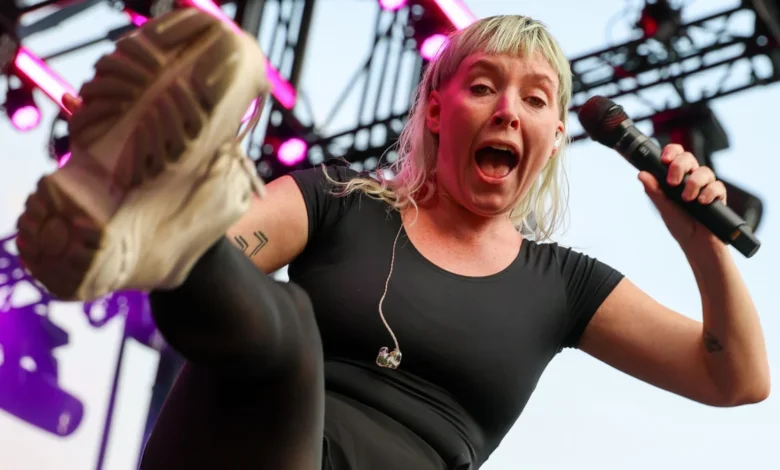
North Carolinian electro-pop duo Sylvan Esso has announced a return to Spotify, ending a year-long protest against the streaming giant. The decision, characterized by vocalist Amelia Meath as a reluctant necessity, highlights the growing tension between the ethical stances of mid-tier musical acts and the inescapable economic gravity of the dominant digital music marketplace. The band, comprised of Meath and producer Nick Sanborn, originally removed their catalog in protest of Spotify CEO Daniel Ek’s reported €600 million investment in Helsing, a defense-technology firm specializing in artificial intelligence and drone software for military applications.
A Chronology of Protest and Reconciliation
The withdrawal of Sylvan Esso’s music from Spotify occurred in late 2023, amidst a wider movement of artists questioning the ethical implications of their platform’s leadership. The protest was sparked by public revelations regarding Daniel Ek’s personal investment in Helsing, a company that has secured significant contracts to integrate AI-driven intelligence into European defense systems. For many artists, the prospect of their subscription-driven revenue models inadvertently funneling profit into the coffers of a venture capitalist with significant stakes in the arms industry proved untenable.
For one year, Sylvan Esso operated their distribution through alternative channels, including Bandcamp, Qobuz, and their own independent label, Psychic Hotline. However, the operational realities of maintaining a professional music career—which includes funding production, tour logistics, and staff payroll—have forced a reevaluation of their position. In a candid video message shared on social media, Meath articulated the difficulty of the decision, noting that while the absence from Spotify felt morally aligned with their values, it became increasingly apparent that the platform’s market share is too pervasive to ignore for an independent entity.
The Economic Reality of Modern Music Distribution
The music industry’s transition to a streaming-first economy has created a power dynamic where platforms like Spotify function as essential infrastructure. With Spotify commanding approximately 82% of the global music streaming market, its reach is effectively a monopoly on listener accessibility. For independent bands like Sylvan Esso, the choice to remain off the platform is not merely a statement of principle; it is a significant financial sacrifice that impacts the ability to sustain a team of employees.
Industry data suggests that for mid-range artists—those who have moved beyond local scenes but have not reached the stratospheric, diversified income levels of global superstars—streaming royalties, while notoriously low, remain the primary vehicle for discoverability and, consequently, long-term career viability. The "cost" of the boycott was not just lost streaming revenue, but a decline in algorithmic placement, playlist inclusion, and the ability to convert casual listeners into ticket buyers for live performances.
Broader Implications for Artist Autonomy
The return of Sylvan Esso to the platform serves as a case study in the limitations of individual artist protest within the digital ecosystem. While high-profile boycotts—such as those seen in recent years regarding vaccine misinformation or ethical concerns over corporate leadership—often generate significant headlines, they rarely result in structural changes to the platforms themselves.
Analysts note that as long as Spotify remains the primary gateway for discovery, the "all-or-nothing" approach to distribution places an immense burden on the artist. This has led to a growing movement toward alternative distribution models and direct-to-fan platforms. However, as Meath noted, the "financial reality" of the industry remains tethered to the subscription model. The irony of the situation is that the artists who feel most compelled to take an ethical stand are often the ones least equipped to weather the resulting financial fallout, whereas major-label artists with diversified portfolios are less likely to risk their market positioning for political causes.
Official Statements and Continued Stance
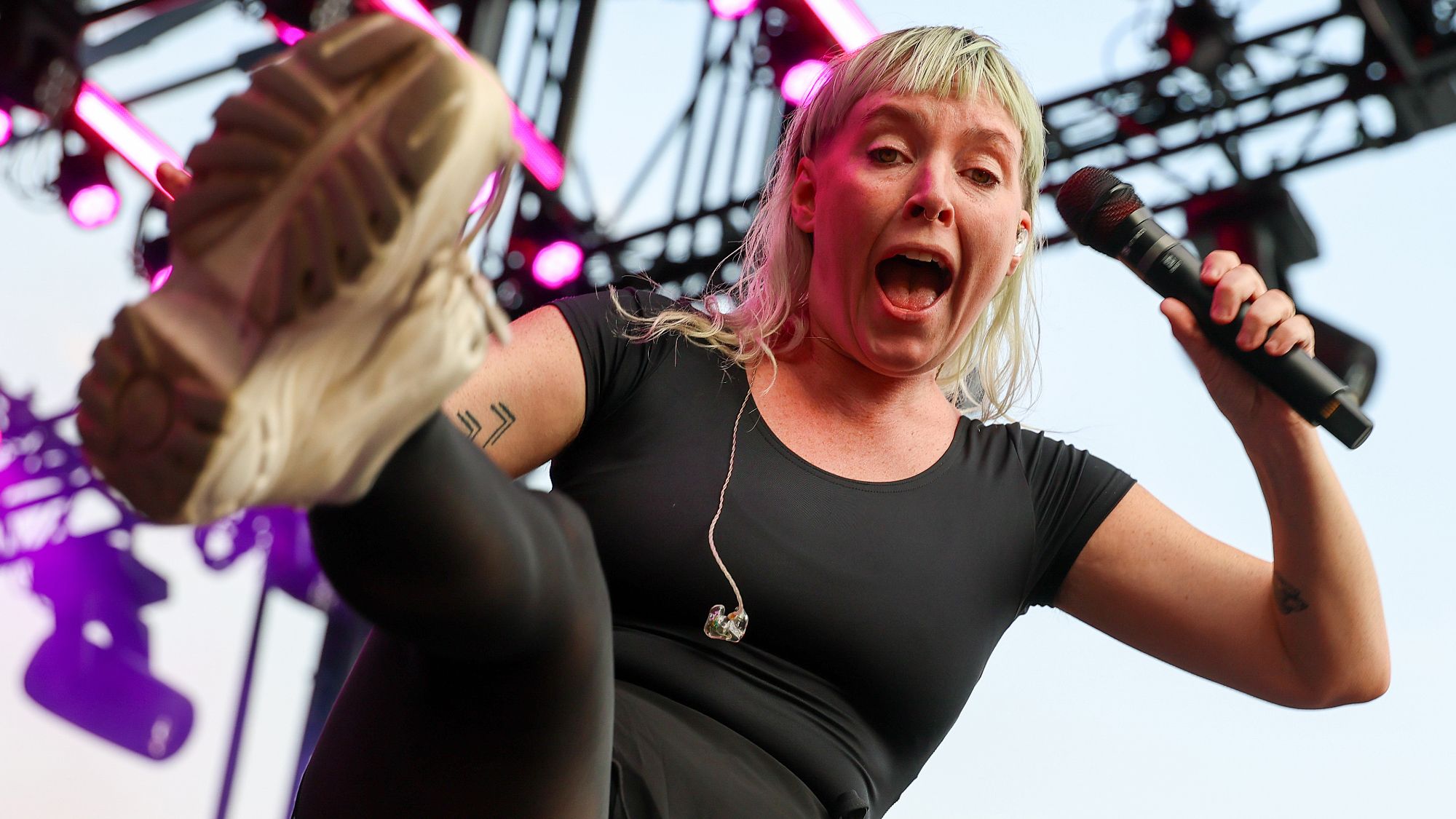
Despite the return of their music to the platform, Sylvan Esso has made it clear that their political stance remains unchanged. The band has actively discouraged their fanbase from utilizing Spotify to consume their work, instead directing them toward platforms that offer more equitable payouts or direct support models, such as Bandcamp or physical media purchases at independent record stores.
"Nick and I, our political views have not changed," Meath stated in her address to fans. "We do not want to support the business of war. But I’d rather you didn’t listen to our music on there. Please don’t."
This bifurcation of behavior—utilizing the platform for reach while explicitly requesting that fans avoid it—underscores the complex navigation required by modern artists. It is an acknowledgment that while the digital infrastructure is necessary for survival, it is not necessarily a reflection of the artist’s values.
The Path Forward: Supporting Independent Art
The discourse surrounding Sylvan Esso’s return has reignited conversations about the necessity of direct support in the streaming age. Music industry experts argue that if listeners wish for their favorite artists to remain independent and vocal about their ethics, the burden of funding cannot rest solely on the artists themselves.
Strategies for supporting independent acts in an era of corporate-controlled distribution include:
- Direct-to-Artist Purchases: Utilizing platforms like Bandcamp, where a higher percentage of the purchase price goes directly to the creator.
- Physical Media: Purchasing vinyl, CDs, or merchandise directly from the artist’s website or during live tours, which provides a more significant profit margin than thousands of individual streams.
- Community Engagement: Following artists on social media and subscribing to newsletters to ensure that information about tours, new releases, and ethical stances reaches the audience without the filter of algorithmic curation.
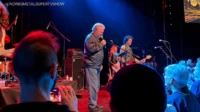
As Sylvan Esso prepares for a series of live dates, including appearances at Rough Trade East and secret locations in London, the focus for the duo appears to be shifting back to the intimacy of the live experience. By continuing to use their platform to highlight their dissent, they are attempting to maintain their integrity while existing within a system they fundamentally disagree with.
The case of Sylvan Esso is a microcosm of the wider digital music dilemma. It highlights that in the current market, the barrier to entry is low, but the barrier to sustainable, ethical independence is exceptionally high. Whether this return to Spotify marks a permanent concession or merely a temporary tactical retreat remains to be seen, but it serves as a stark reminder of the influence exerted by platform giants over the cultural output of the modern era. For fans, the message is clear: the music may be back on the platform, but the battle for a more equitable music industry is far from over.