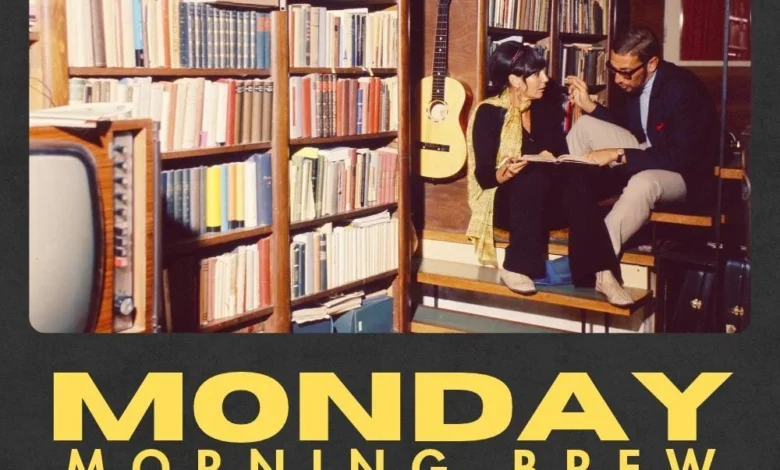
The contemporary music and cultural landscape frequently looks backward to find anchors of authenticity in an increasingly fast-paced digital era, a phenomenon underscored by KLOF Mag’s latest curation release. Published on November 2, 2026, the digital publication’s newest installment of its flagship curation series—the Monday Morning Brew—delivers an eclectic blend of acoustic introspection, historical retrospection, and contemporary independent music recommendations. While the digital landscape thrives on rapid consumption and hyper-modern electronic production, this week’s editorial choice makes a deliberate pivot toward acoustic warmth, bohemian aesthetics, and archival deep-dives that resonate across generations.
The Main Facts: Curating the Counterculture and Contemporary Sound
At the core of the latest KLOF Mag release is a carefully engineered playlist designed to evoke a laid-back, carefree mood. Moving away from heavy, high-tempo modern releases, the curators have assembled a tracklist that favors organic instrumentation, gentle vocal delivery, and spacious arrangements. Complementing this audio experience is a detailed critical exploration of a rare 1969 counterculture documentary, framing the cinematic piece against the backdrop of late-1960s societal shifts.
Furthermore, the publication offers a retrospective review of American singer-songwriter Bill Callahan’s acclaimed 2013 studio album, Dream River, evaluating its lasting impact on contemporary folk and indie songwriting. Rounding out the dispatch are hand-picked new music recommendations intended to bridge the gap between historical acoustic traditions and modern alternative movements. The release serves as both an active listening guide and a cultural essay, reflecting the publication’s ongoing commitment to deep-dive music journalism rather than ephemeral trend-chasing.
Chronology and Historical Context: Tracing the Roots from 1969 to the Present
To fully understand the aesthetic weight of the current KLOF Mag curation, one must examine the chronological trajectory connecting the late 1960s counterculture movement to contemporary independent music production.
The year 1969 marked a pivotal crossroads in modern cultural history. It was defined globally by the culmination of the hippie counterculture, the aftermath of the 1968 student and civil rights protests, and a seismic shift in artistic expression. Music festivals, underground cinema, and independent publishing became the primary vehicles for alternative philosophies. The documentary explored in this week’s editorial captures this specific juncture—a moment when communal living, anti-establishment sentiment, and a return to simpler, land-based living dominated youth culture.
Fast forward to 2013: Bill Callahan released Dream River via Drag City. Produced by Brian Beattie, the album represented a distillation of Callahan’s minimalist lyricism and warm, hypnotic folk arrangements. Recorded with a fluid, river-like continuity, the album eschewed conventional pop structures in favor of atmospheric soundscapes that prioritized texture and contemplative pacing.
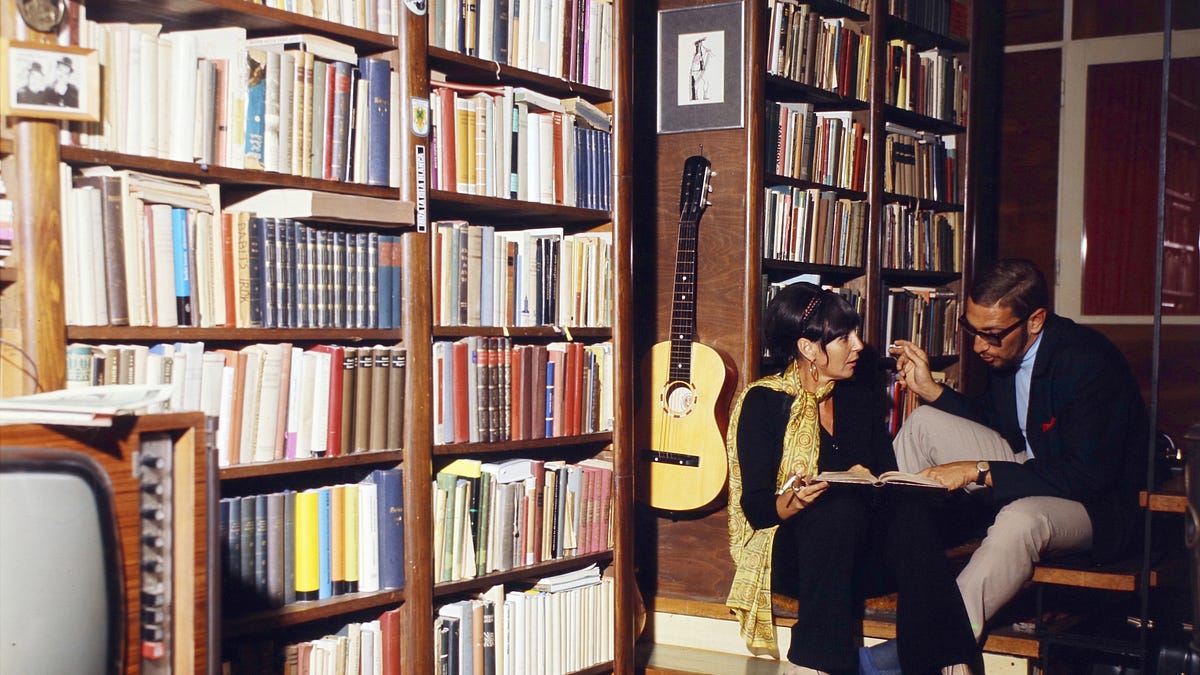
Now, in November 2026, KLOF Mag ties these disparate historical markers together. By juxtaposing a 1969 archival documentary with a 2013 modern classic and brand-new independent releases, the publication constructs a chronological bridge demonstrating how the desire for a "carefree, laid-back vibe" has evolved from a radical socio-political statement into a timeless aesthetic refuge.
Data and Metrics: The Resurgence of Physical Media and Slow Listening
While underground cultural magazines operate on niche artistic principles, the broader music industry data supports a growing consumer appetite for the kind of retrospective, album-oriented listening championed by KLOF Mag.
According to recent market reports from organizations such as Nielsen Music/Luminate and the Recording Industry Association of America (RIAA), physical music formats and catalog albums continue to capture a massive share of consumer attention. Vinyl record sales have seen consecutive years of multi-digit growth, frequently outpacing compact disc sales and rivaling streaming consumption in terms of collector dedication. Concurrently, consumption of catalog music—tracks and albums older than 18 months—consistently accounts for over 70% of total music consumption in major Western markets.
This quantitative shift indicates that listeners are increasingly fatigued by algorithm-driven, single-heavy streaming loops. Instead, audiences are seeking out curated environments, liner notes, and thematic playlists that offer context, depth, and historical continuity. KLOF Mag’s editorial strategy directly addresses this demographic shift by providing curated, long-form musical explorations for dedicated subscribers.
Critical Analysis: The Implications of Archival Revival in Modern Music Journalism
The decision to pair a 1969 counterculture documentary with contemporary folk and indie recommendations carries significant implications for the state of modern music criticism. In an era where algorithmic recommendation engines rely heavily on genre tags, tempo matching, and immediate user retention, human-curated platforms play an essential role in preserving musical lineage.
By revisiting works like Bill Callahan’s Dream River, critics provide younger audiences with the contextual tools needed to understand contemporary minimalist songwriting. Dream River did not emerge in a vacuum; it borrows thematic elements from the pastoral folk traditions of the late 1960s and early 1970s, filtering them through a modern, deadpan literary lens.
When a publication highlights these connections, it challenges the disposable nature of modern digital media. It posits that a song recorded in 2026 can be authentically experienced in dialogue with a documentary filmed during the height of the 1969 counterculture. This editorial approach fosters a deeper, more sustainable relationship between artists and listeners, encouraging active engagement rather than passive background consumption.

Industry Reception and Subscriber Engagement
Independent music publications operating on subscription-based models, such as Substack-hosted magazines, rely heavily on community loyalty and niche authority. KLOF Mag’s opening remarks explicitly acknowledge this dynamic, offering a formal expression of gratitude to the paid subscribers who sustain the platform’s operational independence.
In the contemporary media ecosystem, where advertising revenues for independent journalism remain volatile, reader-supported models allow publications to bypass clickbait incentives. This economic framework directly influences the content: curators are free to explore obscure 1960s documentaries and nuanced folk albums without bowing to short-term search engine optimization trends or viral social media cycles.
Industry analysts note that subscriber-funded cultural newsletters are currently experiencing a steady rise, driven by consumers who are willing to pay for uncompromised, specialized curation. By maintaining a steady cadence of themed releases like the Monday Morning Brew, KLOF Mag reinforces a sustainable economic and artistic model for independent music journalism.
Broader Impact and Future Outlook
The cultural footprint of week-to-week music curation extends beyond mere entertainment; it shapes how independent artists find their audiences in a saturated global market. As major streaming platforms become increasingly consolidated and dominated by hyper-popular mainstream acts, independent curators act as vital gatekeepers and tastemakers.
By championing a laid-back, carefree aesthetic rooted in historical consciousness, KLOF Mag provides a counter-narrative to the hyper-stimulated digital environment. Whether through exploring the rustic idealism of 1969 documentary subjects, unpacking the hypnotic currents of Bill Callahan’s discography, or introducing new boundary-pushing artists, the publication demonstrates the enduring relevance of slow, thoughtful media consumption.
As the music industry continues to navigate the complexities of artificial intelligence, algorithmic distribution, and changing physical formats, the human touch in curation remains irreplaceable. The latest installment of the Monday Morning Brew stands as a testament to the value of historical memory, aesthetic coherence, and the enduring power of well-crafted songcraft.
Related posts: