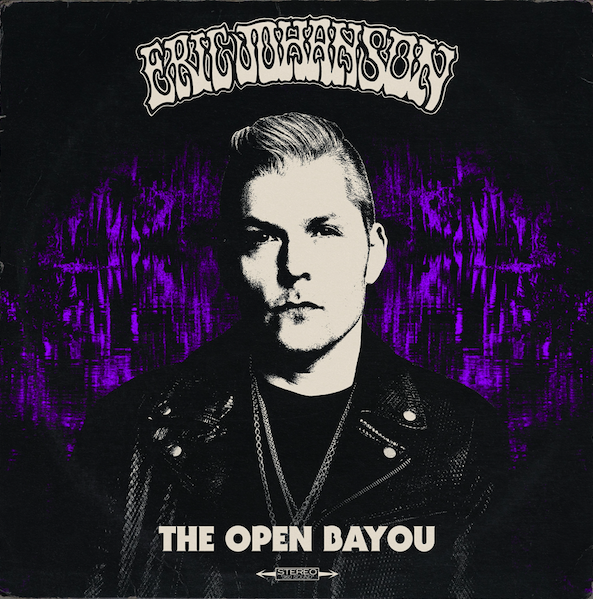
Eric Johanson Paves a New Path with The Open Bayou and the Launch of Levee Ward Records

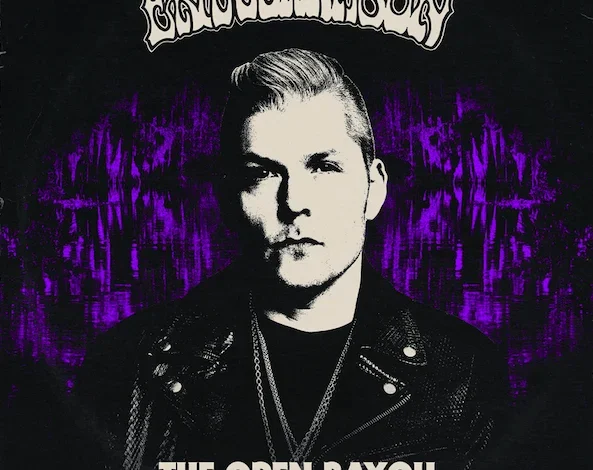
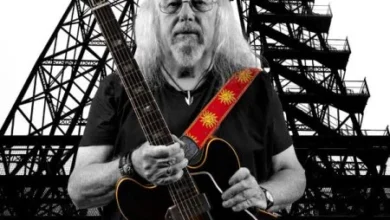
The perpetual struggle of the modern musician often lies not in the mastery of their instrument, but in the rigid taxonomy of the music industry. For guitarist and songwriter Eric Johanson, this frustration has reached a professional breaking point. After years of navigating the often-conflicting expectations of promoters and industry gatekeepers who insist that he is either too rock for the blues or too blues for the rock scene, Johanson has taken the definitive step of reclaiming his creative agency. This shift is marked by the release of his latest ten-track studio album, The Open Bayou, and the simultaneous launch of his own independent label, Levee Ward Records.
The release represents more than just a new collection of songs; it is a direct challenge to the genre-siloing that has defined the digital streaming era. By self-producing the record and bypassing traditional label intermediaries, Johanson is attempting to dissolve the boundaries that have historically hindered artists who exist at the intersection of Southern rock, Delta blues, and psychedelic soul.
A History of Genre Fluidity
To understand the friction Johanson faces, one must look at the historical evolution of the music business. The blues and rock-and-roll are not distinct, unrelated categories; they are parts of a singular lineage. Throughout the 20th century, the blues served as the foundation for the explosion of rock music in the 1960s and 70s. Artists like The Rolling Stones, The Allman Brothers Band, and Eric Clapton built their careers on the very synthesis that Johanson is now being criticized for.
Industry analysts suggest that the rise of algorithmic categorization in the digital age has exacerbated these pressures. Streaming platforms rely on specific tags to populate user playlists, and labels often fear that an album which does not fit a singular "vibe" will fail to trigger the necessary discovery mechanisms. For an artist like Johanson, whose sound incorporates high-gain fuzz, intricate slide guitar, and lyrical storytelling, the inability to fit into a single "lane" often results in lost marketing opportunities. By establishing Levee Ward Records, Johanson joins a growing movement of independent artists who are trading the reach of major-label distribution for the creative freedom to ignore these stylistic constraints.
The Making of The Open Bayou: A Study in Urgency
The production process for The Open Bayou was intentionally unconventional. Eschewing the luxury of a long-term studio residency, the album was recorded in just three days while Johanson was in the middle of a rigorous touring schedule. This approach reflects a shift in contemporary recording, where artists prioritize the capture of live, visceral energy over the pristine, layered perfection of modern digital production.
The resulting sound is characterized by a raw, uncontained intensity. The opening track, "Till the Sun Swallows the Earth," serves as a mission statement for the album, utilizing rim clicks and slide guitar to build a sense of impending sonic volatility. The lyrics evoke themes of environmental and existential collapse—a reflection, perhaps, of the volatility felt by an artist navigating the shifting sands of the current music industry.
Collaborative Sonic Textures
A significant development in the sound of this record is the involvement of Bill Skibbe, a noted engineer and producer whose previous work includes collaborations with Jack White, The Dead Weather, The Raconteurs, and The Black Keys. Skibbe’s influence is audible in the heavy, psychedelic, and textured soundscapes that permeate the album, particularly on the lead single, "Shake the Fever."
Skibbe’s presence suggests a move toward a more "garage-rock" aesthetic that complements Johanson’s traditional blues foundation. While the record draws audible inspiration from the sonic landscapes of the early 2000s indie-rock revival, it remains rooted in the swampy, atmospheric traditions of Southern music. This synthesis suggests that Johanson is not attempting to mimic his predecessors but is instead inviting their sonic vocabulary into his own established narrative.
Critical Recognition and Virtuosity
Despite the "gatekeeper" complaints, Johanson’s technical proficiency remains widely recognized by industry peers and publications. Having been featured on prestigious lists such as Guitar Player Magazine’s "25 Best New Blues Guitarists" and Total Guitar’s "Greatest Blues Guitarists of All Time," Johanson has established his technical credentials beyond dispute.
The album features a diverse range of compositions, from the aggressive, riff-heavy "Mercy and Madness" to the more introspective, slide-driven title track, "Open Bayou." The latter, in particular, draws comparisons to the melodic sensibilities of guitar legends like Warren Haynes and Derek Trucks. This variety highlights the central thesis of the album: that a singular artist can effectively bridge the gap between heavy, distorted rock and the nuanced, soulful phrasing of traditional slide blues.
Lyrical Depth and the Road Life
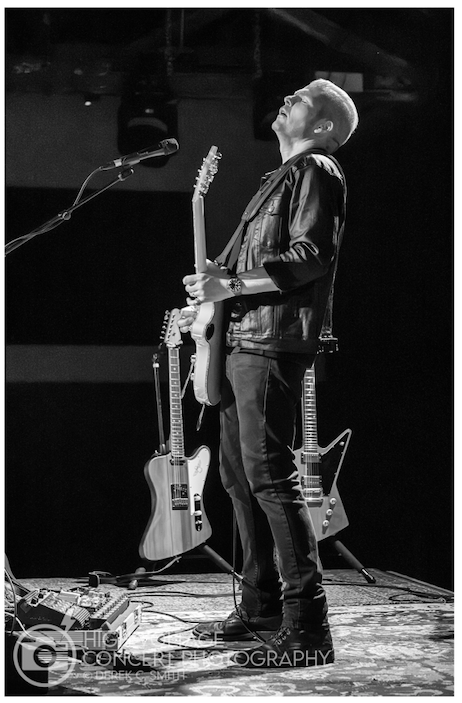
One of the most compelling aspects of The Open Bayou is the maturation of Johanson’s songwriting. In an era where the "riff-first" approach often leads to perfunctory or repetitive lyrics, Johanson focuses on narrative depth. Songs like "Still I Move" and "Back Down in New Orleans" offer a candid, often weary look at the life of a touring musician.
The lyrics in "Still I Move" capture the cyclical, often hollow nature of life on the road: "Miles on the highway. Chasing a dream. Just burning money and gasoline." These lines are not merely filler; they are reflections on the psychological cost of maintaining a career in an industry that constantly demands new content, new tours, and new "lanes." Similarly, "Lay Your Trouble" demonstrates a shift toward a slower, more emotional tempo, exploring themes of shared burden and emotional exhaustion.
Broader Implications for the Independent Music Sector
The decision by Johanson to form Levee Ward Records is a bellwether for the broader music industry. As major labels continue to consolidate and shift their focus toward viral trends and short-form content, mid-tier artists who prioritize technical skill and long-form albums are increasingly finding the independent route to be the only path to sustainable success.
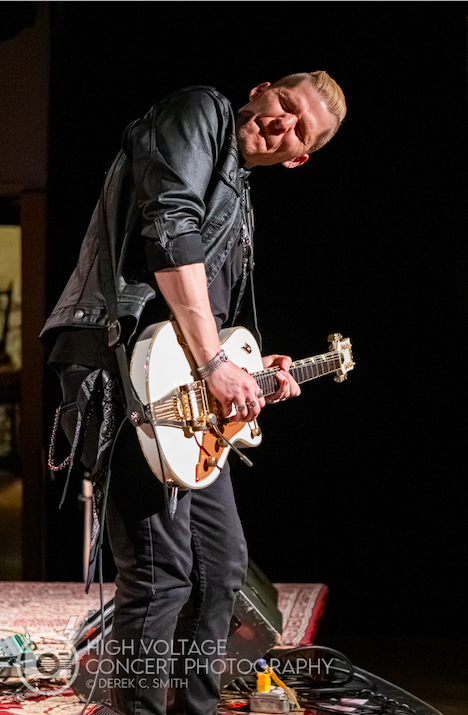
By controlling his own masters and distribution, Johanson is insulating his career from the whims of A&R executives who might demand a more "commercial" sound. This independence allows for the development of a long-term audience—a "cult" following that values the artist’s integrity over their current streaming playlist placement.
Upcoming Tour Schedule and Market Reach
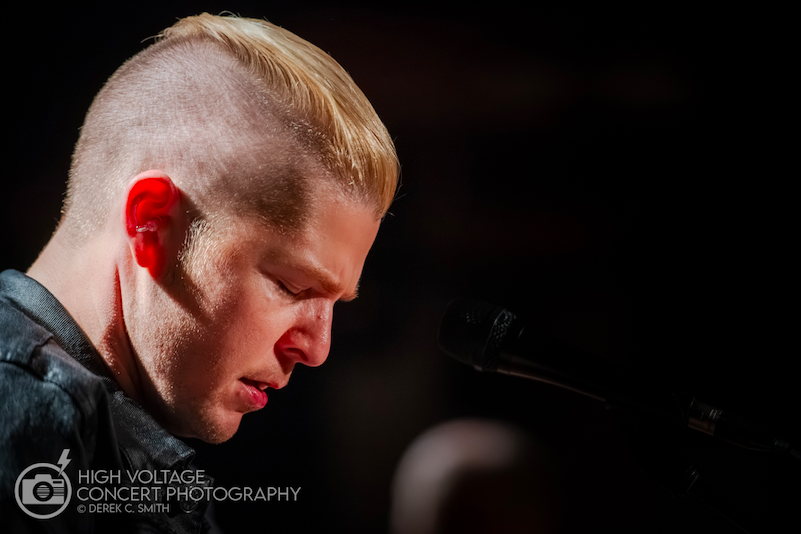
Johanson’s commitment to his vision is further evidenced by his extensive 2026 tour schedule. Spanning across the United States and into Europe—with stops in Germany, Austria, and the Netherlands—the tour demonstrates a reach that belies his status as an independent artist.
The itinerary includes:
- September 12: Thunder In the Smokies Rally, Maggie Valley, NC
- September 17: The Princess Theatre, Decatur, AL
- September 19: Baker Street Centre, Fort Wayne, IN
- September 20: The Southgate House Revival, Newport, KY
- October 11: Jerk’s Pullman Square, Huntington, WV
- October 12: Jergels, Pittsburgh, PA
- October 15: RocHaus, West Dundee, IL
- October 16: Jazz Upfront, Bloomington, IL
- October 18: Tip Top Deluxe Bar & Grill, Grand Rapids, MI
- October 21: Ottobar, Baltimore, MD
- October 22: Hub City Vinyl, Hagerstown, MD
- October 25: Rams Head, Annapolis, MD
- November 4: Gaststätte Stock, Hagen, Germany
- November 20: Reigen Live, Wien, Austria
- November 23: Rockhouse Salzburg, Salzburg, Austria
- November 24: Blues Club Chiemgau, Rimsting, Germany
- November 27: De Tamboer, Hoogeveen, Netherlands
- December 20: The Funky Biscuit, Boca Raton, FL
- December 22: Rohan Rec Center, Wildwood, FL
This robust schedule confirms that, regardless of how industry gatekeepers label him, the demand for Johanson’s specific brand of blues-rock remains high. As he continues to tour behind The Open Bayou, the focus will likely shift from whether he fits into a genre-box to whether his self-produced model can serve as a blueprint for other artists facing similar industry pressures.
Conclusion
The story of Eric Johanson and The Open Bayou is a case study in the resilience of the artist. By confronting the limitations of the industry head-on, Johanson has not only produced a critically acclaimed body of work but has also successfully navigated the transition to full independence. Whether the industry chooses to label his sound as rock, blues, or a hybrid of both, the success of this album and the formation of his own label suggest that the most important "lane" for an artist is the one they pave for themselves. As he continues to tour through late 2026, it is clear that Johanson is no longer asking for permission to cross the lines between genres; he is busy erasing them entirely.