Appalachian Roots Renaissance: Exploring the Earl Scruggs Music Festival and Bristol Rhythm & Roots Reunion Aboard the Modern Americana Circuit

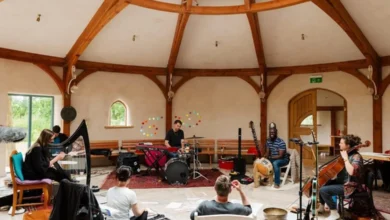
The rich, resonant traditions of American roots music take center stage this week as a pair of premier festivals anchor the cultural landscape of the Appalachian region. Situated just 90 miles apart geographically, the Earl Scruggs Music Festival—slated for September 4 through 6, 2026, in Mill Spring, North Carolina—and the Bristol Rhythm & Roots Reunion, running September 11 through 13, 2026, across the twin cities of Bristol, Virginia, and Bristol, Tennessee, offer a comprehensive snapshot of contemporary roots culture. These back-to-back late-summer events highlight not only the enduring legacy of the region’s musical pioneers but also the dynamic evolution of a genre that continually bridges historical reverence with modern innovation.
Main Facts and Geographic Significance
The geographic alignment of these two festivals is more than a mere coincidence on the touring calendar; it places attendees at the literal and spiritual epicenters of American traditional music. Bristol, recognized officially by the United States Congress as the Birthplace of Country Music, honors the historic 1927 Bristol Sessions. Produced by Ralph Peer for the Victor Talking Machine Company, these recordings captured foundational performances by the Carter Family and Jimmie Rodgers, effectively launching the commercial country music industry.
Roughly 90 miles to the south, Mill Spring, North Carolina, sits in Polk County, mere miles from Boiling Springs, where legendary three-finger banjo stylist Earl Scruggs was born in 1924. Scruggs revolutionized banjo playing and country music as a whole during his tenure with Bill Monroe’s Blue Grass Boys and later alongside Lester Flatt in the Foggy Mountain Boys. By anchoring these two distinct yet complementary festivals in such historically hallowed ground, event organizers provide a powerful contextual backdrop for artists and audiences alike.
While deeply rooted in the musical traditions of the Piedmont and the Blue Ridge Mountains, both festivals reflect the expansive tastes of today’s roots music consumer. The contemporary Americana and roots scene thrives on cross-pollination, blending traditional bluegrass, old-time fiddle tunes, and mountain gospel with elements of jam band improvisation, folk singer-songwriter introspection, and indie-rock instrumentation. This stylistic fluidity not only honors the inclusive, community-driven spirit of early Appalachian music but also drives the genre forward, attracting demographically diverse audiences who view roots music as a living, breathing art form rather than a museum piece.
Chronology of the September Festival Circuit
The early-September corridor has increasingly become a prime destination for cultural tourism in the Southeast, offering a logical chronological progression for music enthusiasts looking to experience the full spectrum of Appalachian heritage.
The fortnight begins with the Earl Scruggs Music Festival, establishing a high-energy benchmark for traditional precision and contemporary reinterpretation. Held at the Tryon International Equestrian Center in Mill Spring, the festival utilizes multiple stages to showcase world-class banjo players, acoustic ensembles, and progressive string bands. The event, developed in partnership with public radio station WNCW and the Earl Scruggs Center in nearby Shelby, North Carolina, emphasizes community engagement, youth workshops, and master classes designed to preserve and transmit the technical and cultural knowledge of the region.
Following a brief mid-week transition, the focus shifts northward to the state line dividing Virginia and Tennessee for the Bristol Rhythm & Roots Reunion. Operating primarily as an urban music festival, Bristol transforms the historic downtown district into a sprawling multi-venue celebration. Spanning historic State Street, the festival integrates indoor theaters, outdoor stages, and museum spaces into a cohesive cultural footprint. The event is a direct extension of the Birthplace of Country Music Museum, an affiliate of the Smithsonian Institution, ensuring that education and historical preservation remain central to the weekend’s festivities.
Capturing the Action: Visual and Critical Documentation
Documenting the scale, intimacy, and kinetic energy of these gatherings requires specialized photographic and journalistic expertise. To provide comprehensive coverage of this year’s circuit, veteran field photojournalists were deployed to each location to capture the defining moments of both events.
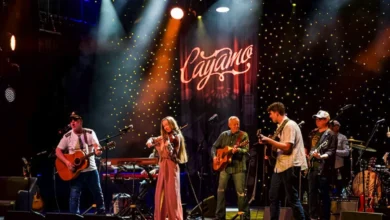
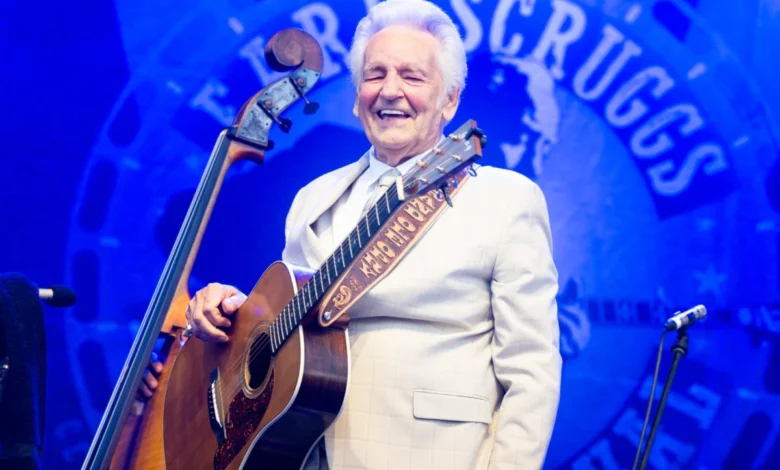
Kelly Shipe, a seasoned chronicler of live roots performances, was on the ground in Bristol to document the street-festival atmosphere, capturing striking images of collaborative jams, multi-generational audiences, and the unique architectural backdrop of downtown Bristol. Meanwhile, Astrida Valigorsky brought her discerning eye to the Earl Scruggs Music Festival in Mill Spring, focusing on the intricate fingerwork of master instrumentalists, the sweeping vistas of the Blue Ridge foothills, and the immersive community culture that defines the gathering. Their combined visual reporting underscores the distinct personalities of the two events: Bristol’s gritty, urban street-party vibrancy contrasted with Mill Spring’s sprawling, pastoral acoustic celebration.
Supporting Data and Economic Impact
The prominence of the Earl Scruggs Music Festival and the Bristol Rhythm & Roots Reunion extends well beyond their artistic programming, serving as major economic drivers for rural and semi-urban Appalachian communities. According to regional tourism boards and economic impact studies generated by previous iterations of these events, music festivals in Western North Carolina and Northeast Tennessee inject millions of dollars annually into local hospitality, dining, and retail sectors.
Data compiled by regional arts councils indicates that multi-day roots music festivals in the Appalachian corridor draw attendees from all 50 states and numerous international countries, with out-of-state visitors typically accounting for 60 to 75 percent of ticket sales. This influx of cultural tourists provides vital off-season revenue for local businesses that traditionally rely on summer recreation or retail traffic. Furthermore, partnerships with local educational institutions and non-profit organizations help channel a portion of festival proceeds back into community development, music education programs, and the preservation of historical archives.
Official Responses and Cultural Stewardship
Organizers, community leaders, and participating artists have consistently emphasized the dual responsibility of celebrating heritage while fostering innovation. In statements regarding the ongoing development of the festival circuit, cultural administrators highlight the importance of engaging younger generations in the preservation of mountain music traditions.
"Our goal has never been to freeze this music in amber," noted a regional arts programmer involved in the coordination of the Piedmont-Appalachian festival circuit. "Earl Scruggs was an innovator who pushed the boundaries of what the banjo could do, taking traditional tunes and injecting them with modern speed, syncopation, and jazz-influenced phrasing. The artists performing today—whether they are playing traditional breakdowns or plugging in electric guitars—are carrying on that exact spirit of creative exploration."
Similarly, representatives from the Birthplace of Country Music emphasize that the legacy of the 1927 sessions belongs to a global community. The institutional backing provided by museum affiliates ensures that marginalized histories within early country and roots music—including the profound contributions of African American blues artists, gospel quartets, and Appalachian women—are thoughtfully integrated into the narrative presented to festival-goers. This commitment to historical accuracy and inclusivity has earned both events high praise from cultural historians and musicologists alike.
Broader Impact and Industry Implications
The pairing of the Earl Scruggs Music Festival and the Bristol Rhythm & Roots Reunion reflects a broader trend within the contemporary music industry: the decentralization of major cultural hubs in favor of destination festivals rooted in specific geographic and historical identities. As listeners increasingly seek authentic, place-based experiences, events that honor local heritage while embracing contemporary genre-blending have proven remarkably resilient.
The implications of this trend are significant for both independent artists and regional economies. For musicians operating under the broad umbrella of Americana, roots, and bluegrass, these festivals offer essential platforms for audience development and industry networking. Unlike commercial pop tours heavily reliant on major metropolitan arenas, the Appalachian festival circuit fosters an intimate, highly engaged community where fans actively participate in the preservation and dissemination of the culture.
Moreover, the success of these consecutive September events demonstrates the viability of regional cultural tourism strategies. By leveraging historical assets—such as Bristol’s undisputed claim as the birthplace of the genre or Mill Spring’s proximity to the cradle of Scruggs’ genius—local stakeholders have created a sustainable model for economic development that relies on cultural capital rather than industrial expansion.
As the music community prepares for the September 2026 gatherings, the anticipation surrounding both the Earl Scruggs Music Festival and the Bristol Rhythm & Roots Reunion points to a vibrant future for Appalachian sounds. By honoring the past while fearlessly embracing the future, these institutions ensure that the foundational rhythms of the mountains will continue to echo across generations, inspiring new waves of pickers, singers, and dedicated fans.
Related posts: