The quest for the ultimate guitar tone has driven musicians, engineers, and manufacturers for nearly a century. From the birth of electric amplification in the 1930s to the modern era of digital modeling, the pursuit of a distinct, immortal sonic signature remains a central pillar of contemporary music production. Across vinyl, magnetic tape, and compressed digital audio files, certain recorded guitar tones have achieved legendary status not merely for their aesthetic appeal, but for the masterclasses in arrangement, gear synergy, and touch they represent. Analyzing these foundational tones provides valuable insight into how technical limitations and deliberate gear choices forged sounds that continue to define rock and pop history.
Paul Kossoff and the Raw Power of "All Right Now"

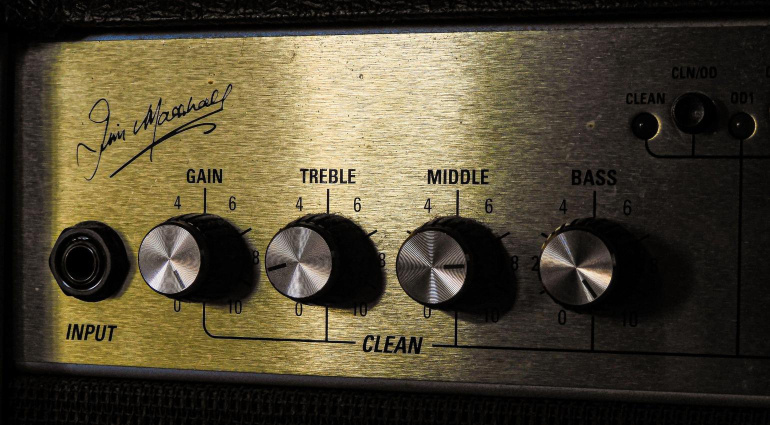
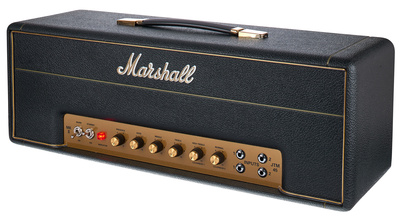
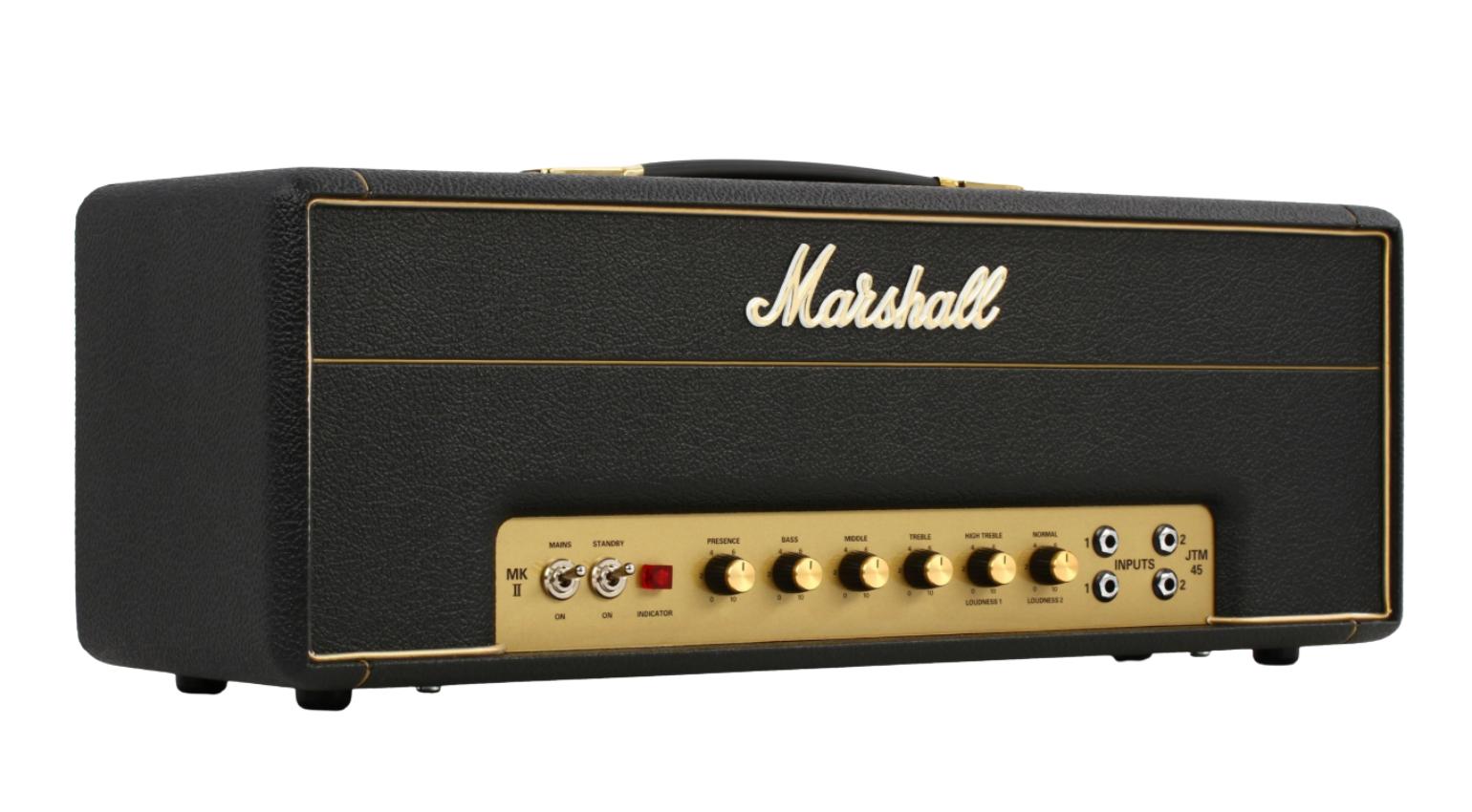
Released in 1970 by the British rock band Free, "All Right Now" features one of the most recognizable and enduring guitar hooks in rock history. Written and recorded when guitarist Paul Kossoff was just 19 years old, the track’s distinctive tone is a study in minimalist setup and maximum impact. Kossoff famously utilized a 1959 Gibson Les Paul plugged directly into a cranked Marshall JTM45 amplifier, relying entirely on the natural overdrive of the vacuum tubes rather than outboard distortion pedals.

The structural brilliance of the riff contributes significantly to its massive perceived volume. The opening A chord cleverly encompasses three distinct octaves within a single voicing, allowing a solitary guitar to fill the sonic spectrum effectively. Because Free operated as a power trio plus a vocalist, Kossoff lacked the support of a rhythm guitarist, necessitating a playing style that combined thick rhythm work with piercing lead lines. This technical necessity resulted in a standard-setting blueprint for hard rock rhythm guitar, demonstrating how strategic chord voicings and dynamic pick attack can compensate for a sparse arrangement.

Glam Rock Rhythm Mechanics: Cheap Trick’s "Surrender"
Moving into the late 1970s, the evolution of arena rock brought a different flavor of overdrive to the forefront. Cheap Trick’s 1977 anthem "Surrender" encapsulates the quintessential glam rock guitar aesthetic, driven by a high-output humbucking bridge pickup paired with an overdriven amplifier. Recorded during an era when heavy compression and complex signal chains were becoming prevalent, the track relies on pure, unfiltered rhythm dynamics.
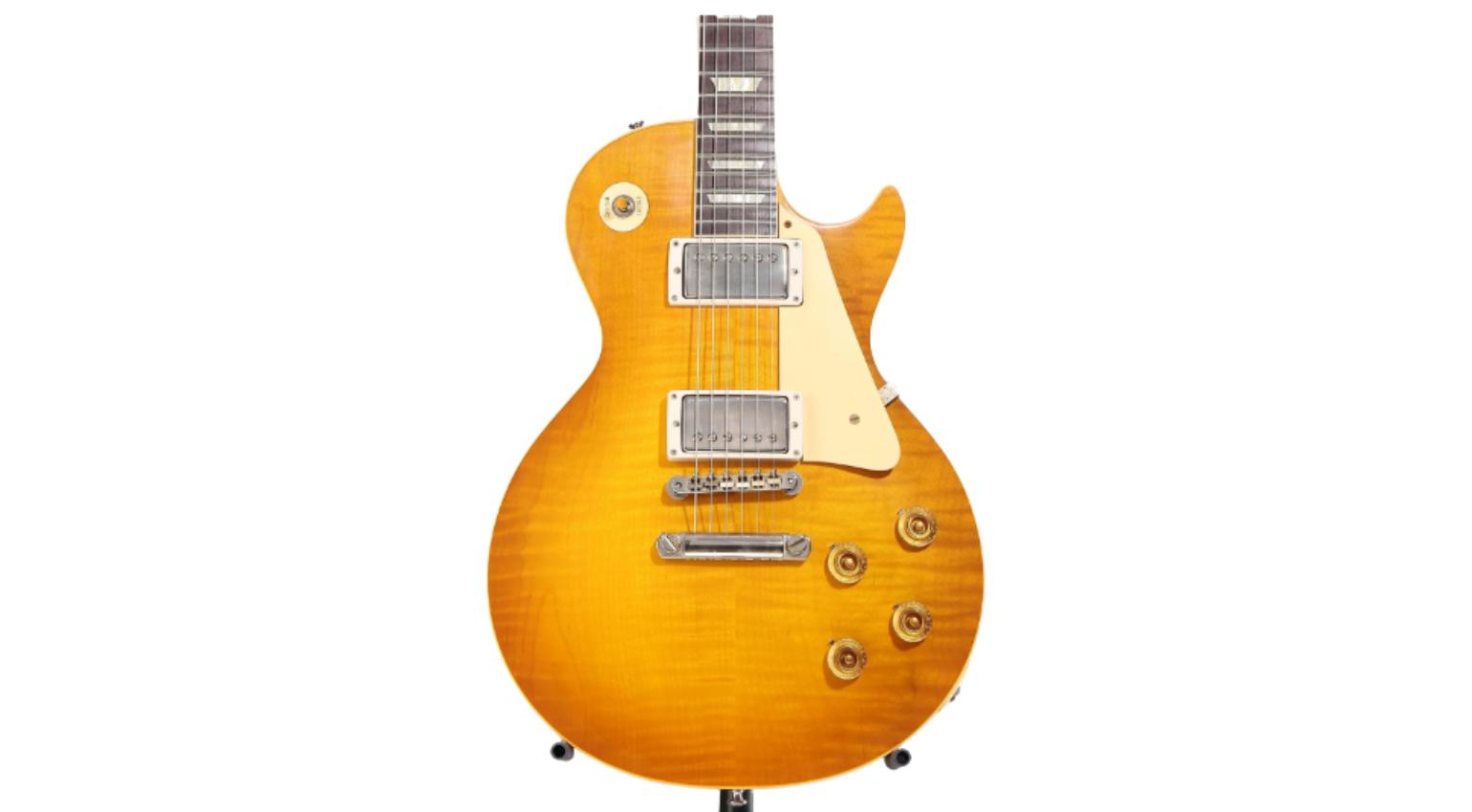
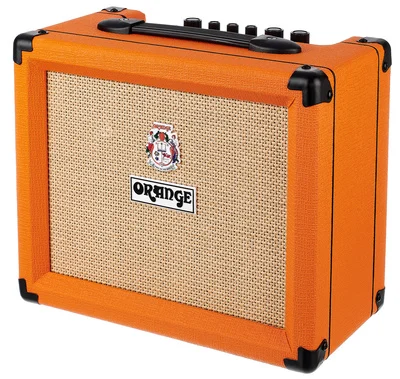
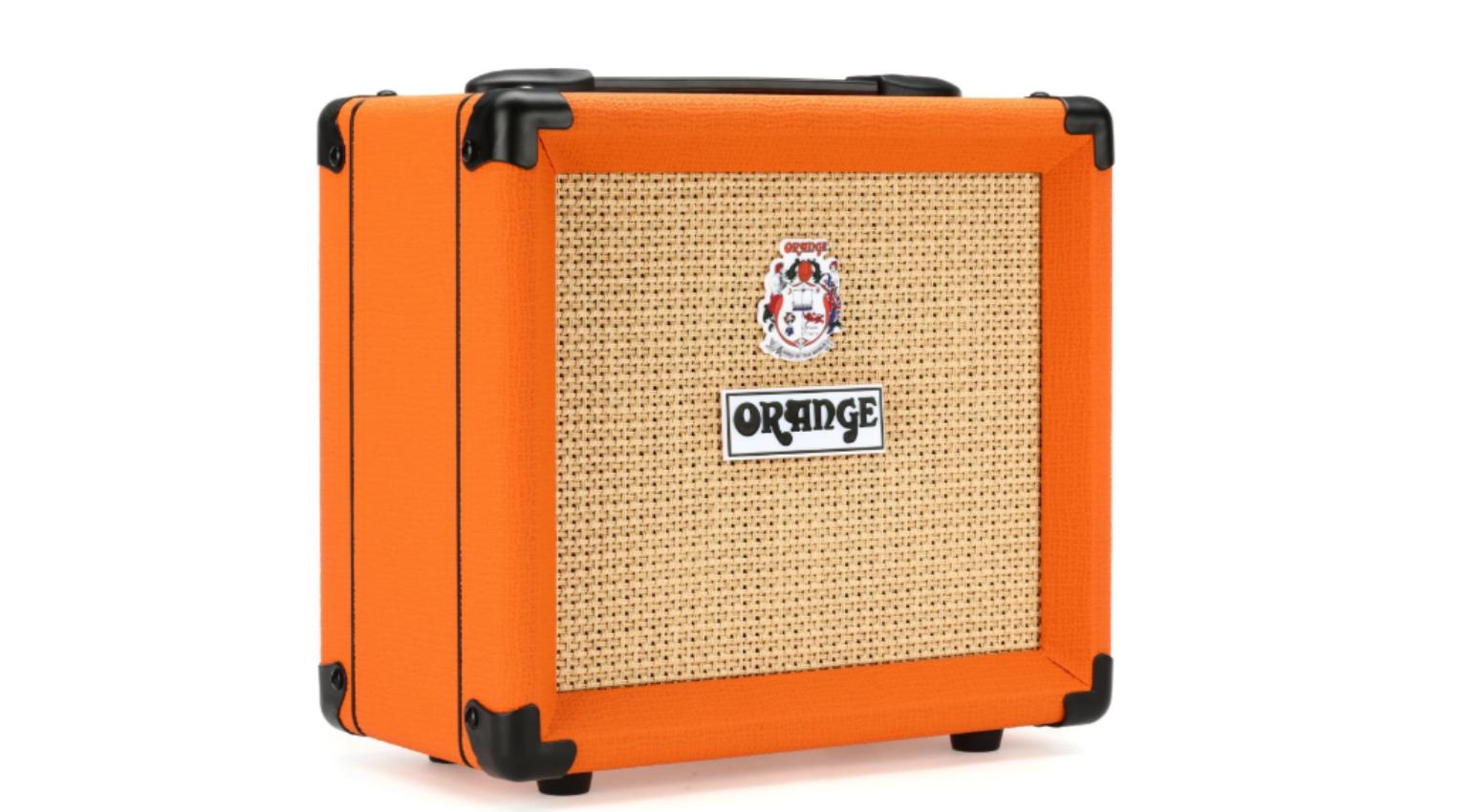
The methodology behind this tone emphasizes versatility and player touch—a philosophy famously shared by contemporaries like Angus Young of AC/DC. By maintaining a straightforward signal path utilizing a Gibson Les Paul into a cranked Orange amplifier, the band achieved a biting, open-chord clarity that cut through dense mixes without relying on digital reverb or delay. This approach highlights an enduring principle in audio engineering: complex tones are frequently born from simple signal paths where the instrument’s natural voice interacts directly with the amplifier’s clipping threshold.
The Studio Precision of Reggie Young on Elvis Presley’s "Suspicious Minds"

While overdriven stacks defined much of rock’s aggressive edge, subtle and pristine clean tones have left an equally indelible mark. During Elvis Presley’s celebrated late-1960s career renaissance, session guitarist Reggie Young delivered a masterclass in taste and precision on the 1969 hit "Suspicious Minds."

Young’s instrument of choice for these sessions was a Gibson Super 400, an archtop jazz guitar renowned for its warm, woody acoustic properties and high market value. In contrast to the overdriven ethos of hard rock, Young’s clean and dry execution relies on pinpoint accuracy, intricate hammer-ons, and clean chord transitions. The track also introduces structural complexity, shifting into a 6/8 time signature during the bridge section. This required musicians to maintain absolute rhythmic discipline, proving that a refined, unadorned guitar tone demands the highest level of mechanical execution from the performer.
Stevie Ray Vaughan and the Blues Blueprint in "Pride and Joy"

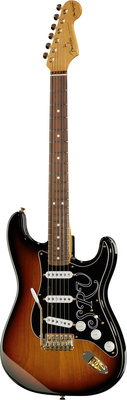
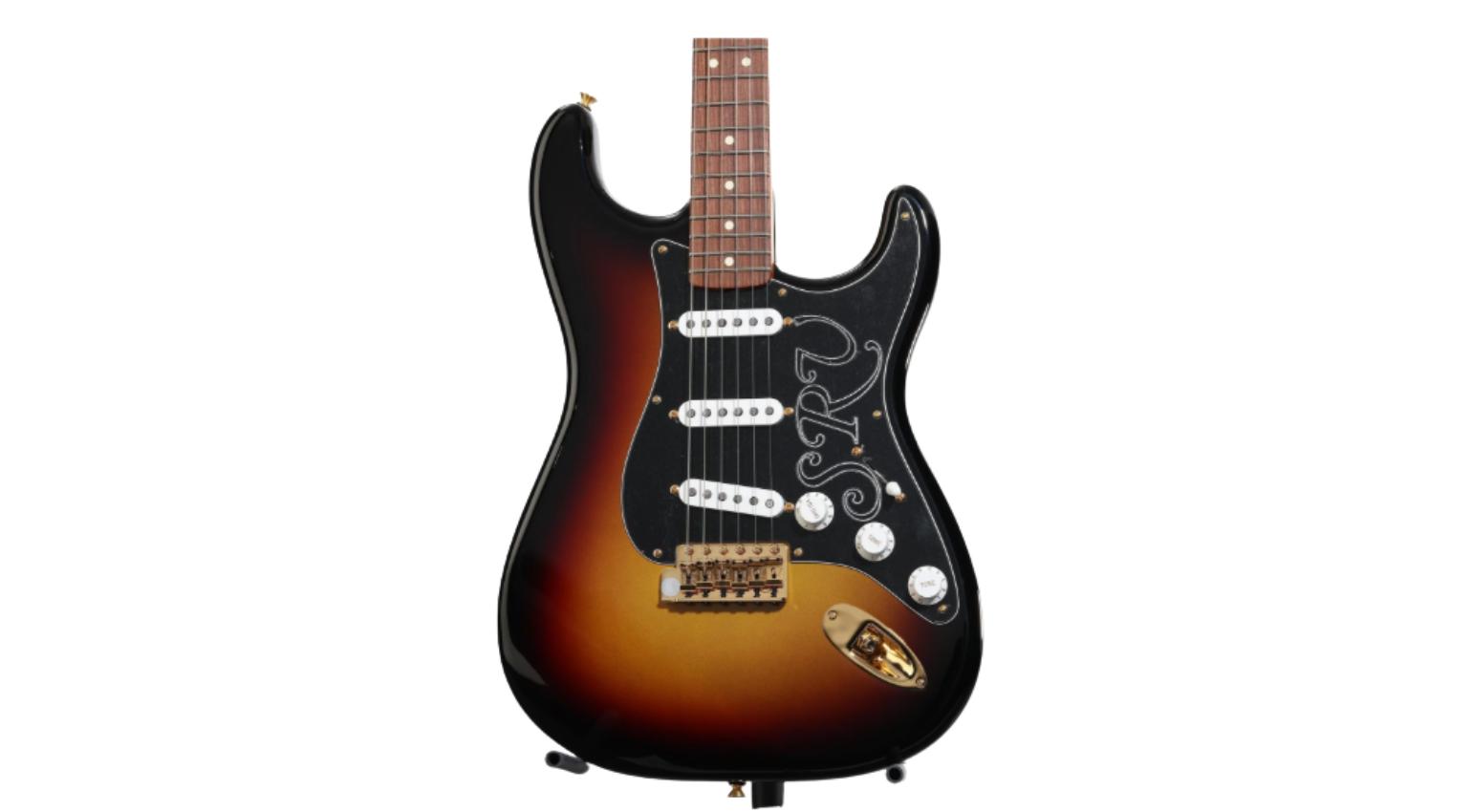
No discussion of iconic guitar tones is complete without examining the signature sound of Stevie Ray Vaughan. His breakthrough 1983 recording of "Pride and Joy" cemented the Fender Stratocaster and vacuum tube amplifier combination as the holy grail of modern blues-rock. Vaughan’s sonic footprint was the result of a deliberate, highly physical approach to his equipment.

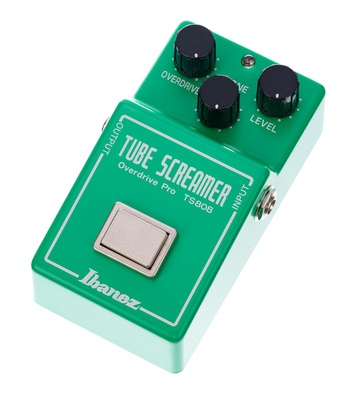
Contrary to popular belief, achieving Vaughan’s tone required more than simply using heavy strings. He utilized a custom string gauge featuring a heavy .058 low E string, an unwound G string to facilitate wide bends, and a .13 high E string, all pitched down a half-step to E-flat. This lowered tension allowed the strings to vibrate with greater amplitude while maintaining structural resistance against aggressive picking. Amplified through a cranked Fender blackface amplifier pushed to its absolute edge-of-breakup threshold—supplemented by an Ibanez TS808 Tube Screamer and a Vox wah-wah pedal—Vaughan created an organic, dynamic response that translated physical exertion directly into harmonic saturation.
David Gilmour and the Atmospheric Wall of Sound in "Comfortably Numb"

Pink Floyd’s 1979 epic "Comfortably Numb" offers a stark contrast to the direct, unmediated blues tone of Stevie Ray Vaughan, showcasing the limitless possibilities of spatial effects and signal manipulation. David Gilmour’s guitar work on the track’s two legendary solos is celebrated for its emotional depth and meticulous use of texture.
Despite utilizing traditional single-coil pickups, Gilmour achieved a thick, singing sustain through a combination of customized guitar wiring—allowing him to blend the neck and bridge pickups simultaneously—high-headroom Hiwatt amplification, fuzz circuitry, and analog tape delay. Gilmour’s philosophy centers around sitting comfortably atop a massive "wall of sound," where modulation and time-based effects elevate the guitar from a rhythmic or melodic instrument into an atmospheric canvas. This adaptability demonstrated that a guitarist’s identity could be defined as much by their manipulation of space and frequency as by their raw physical technique.

Broader Implications and Modern Analysis

The enduring appeal of these five distinct guitar tones underscores a broader trend in music production and gear manufacturing: the cyclical nature of sonic tastes. While modern technological advancements allow musicians to replicate thousands of amplifiers and effects pedals within a single digital floor processor, the foundational principles established by Kossoff, Young, Young, Vaughan, and Gilmour remain standard benchmarks for excellence.
Industry analysts note that as digital modeling continues to advance, the demand for authentic, analog-derived warmth and dynamic touch sensitivity remains higher than ever. Whether studying the unadorned output of a Les Paul through a Marshall stack or analyzing the complex spatial layering of a modulated Hiwatt rig, contemporary guitarists continue to draw technical and artistic lessons from these foundational recordings. The historical permanence of these tracks confirms that exceptional guitar tone is ultimately the byproduct of purposeful arrangement, intimate gear familiarity, and uncompromising player intent.