The Klittens Have a Heart: A Deep Dive into Amsterdam’s Defining Post-Punk Evolution

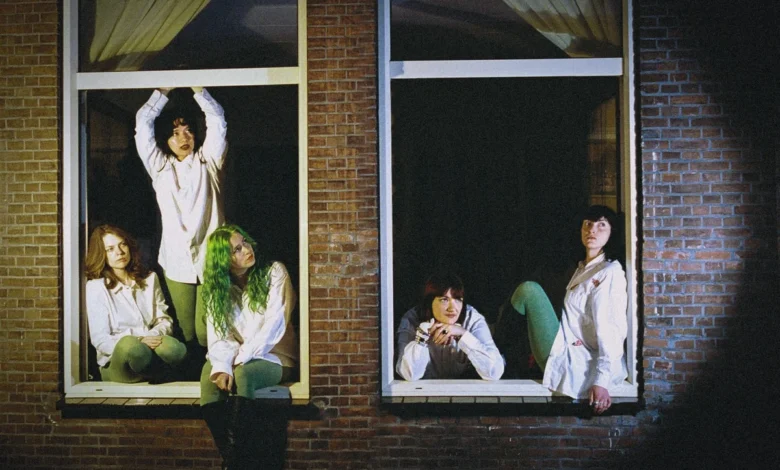
The Amsterdam underground music scene has long been a breeding ground for experimentalism, but few bands have managed to bridge the gap between abrasive post-punk energy and intimate, melodic introspection as effectively as The Klittens. After six years of refining their craft through grassroots touring and a series of well-received independent releases, the band has finally unveiled their debut full-length studio album, Have a Heart. This 13-track collection serves as both a culmination of their DIY origins and a significant artistic maturation, cementing their status as a vital force in the European independent music circuit.
The Chronology of an Underground Rise
The trajectory of The Klittens began in 2018, rooted in the fertile, politically charged soil of the Dutch capital’s music collective scene. Formed by a group of musicians who largely lacked formal training, the band initially prioritized the democratic process of song creation over technical virtuosity. This "anyone can play" philosophy, a hallmark of the 1970s punk explosion, allowed the quintet to focus on lyrical authenticity and raw emotional expression.
Between 2018 and 2023, the band steadily built a loyal following through live performances that were characterized by a volatile mixture of aggression and vulnerability. Their early output—often captured on lo-fi recordings—focused on societal critiques, gender politics, and the personal anxieties of navigating early adulthood in an increasingly digitized, capital-driven society. Have a Heart marks the transition from these formative years into a more structured, studio-polished era, though the band has been careful to retain the "fuzzy, jangly" aesthetic that defined their breakthrough tracks.
Anatomizing Have a Heart: A Sonic Analysis
The album’s opening title track sets the thematic and sonic tone for the remainder of the record. Driven by a gritty, urgent punk-rock rhythm, lead vocalist Yaël Dekker anchors the composition with a vocal delivery that oscillates between assertive commands and desperate pleas. The lyrical repetition of the phrase "have a heart" serves as a central thesis, functioning as both an interrogation of the listener’s empathy and a broader commentary on the cold, transactional nature of modern interpersonal relationships.
Musically, the album is a study in controlled dissonance. The band frequently employs a "tension and release" technique, where high-energy, distorted guitar riffs suddenly collapse into stripped-back, melodic passages. This structure mirrors the complexity of the lyrical themes explored throughout the 13 tracks. By avoiding the temptation to over-produce or "smooth over" their sonic contradictions, The Klittens allow their versatility to shine. Tracks like "Taxi," "Fool Me Once," and "Blue Hue" represent the softer, more introspective side of the record, moving away from the aggressive post-punk tropes and leaning into pop-inflected balladry.
The Intersection of DIY Ethos and Professional Refinement
A central question surrounding the release of Have a Heart is how a band with such firm roots in the DIY ethos handles the transition to a formal, full-length release. For many bands, the shift from EPs and singles to a debut album results in a loss of the very qualities that made them distinct. However, The Klittens appear to have sidestepped this trap by integrating their political and personal beliefs into the very architecture of their new songs.
Data from the band’s recent tour cycles suggests a growing interest from international markets, particularly in the UK and Germany, where their brand of "honest" songwriting has resonated with audiences fatigued by overly polished, algorithmic-friendly music. By keeping their lyrics rooted in tangible, lived experiences—such as the pressures of personal branding in the digital age, as heard in "Bank Account," or the necessity of dismantling condescension, as seen in "Nothing to Teach"—the band remains grounded. These tracks serve as a bridge between their early, overtly political roots and their current, more nuanced songwriting style.
Sociopolitical Context and Lyrical Themes
The band’s evolution mirrors a broader trend in the European post-punk scene, where artists are increasingly moving away from abstract, nihilistic lyricism toward more direct, observational songwriting. In the context of Have a Heart, the personal is consistently treated as political.
"Bank Account," for instance, functions as a critique of self-commodification. In an era where musicians are expected to act as their own PR agencies, the song captures the anxiety of performing an identity for a digital audience. This reflects a growing consensus among cultural critics that the "creative class" is currently experiencing a mental health crisis driven by the constant demand for visibility. By addressing these anxieties head-on, The Klittens provide a mirror to their listeners, fostering a sense of community that transcends the music itself.
Critical Perspectives on Song Structure
While the album has been praised for its authenticity, some critics have noted that the very elements that make the band unique—specifically their penchant for sudden, jarring transitions—can be challenging for first-time listeners. The tendency to pivot from high-octane punk to delicate, slow-tempo indie before a listener has fully acclimated to the rhythm can make the album feel fragmented when heard in isolation.
However, when viewed as a complete, 13-track body of work, these transitions take on a different function. They provide the listener with a narrative arc, mimicking the emotional volatility of real life. The album is less a collection of "radio-ready" singles and more a curated emotional journey. This cohesive structure is a testament to the band’s growth, suggesting that while their individual songs are strong, their strength as a collective unit lies in their ability to curate a sustained listening experience.
Broader Implications for the Genre
The success of Have a Heart holds implications for the wider post-punk and indie-rock landscapes. By demonstrating that technical proficiency is secondary to genuine, well-articulated intent, The Klittens are helping to lower the barrier to entry for the next generation of musicians. Their reliance on emotional intelligence over instrumental complexity challenges the gatekeeping often found in rock music, suggesting that the future of the genre lies in accessibility and raw, unfiltered storytelling.
Furthermore, the band’s ability to remain "honest" while exploring diverse genres—ranging from country-tinged melodies to high-tempo punk—positions them as a "genre-fluid" act. In a modern music industry obsessed with categorization, The Klittens offer a refreshing, albeit messy, alternative. They are not merely writing songs; they are documenting the human experience in all its contradictory, chaotic, and tender glory.
Future Outlook and Industry Response
As the band continues to support the release of Have a Heart with live dates, the industry’s reception remains overwhelmingly positive. Major music retailers and ticketing platforms have already begun featuring the band as a key act to watch for the remainder of the year. This professional attention, while a stark contrast to their early underground days, has not appeared to shift their focus.
Whether the band will continue to evolve further into the pop spectrum or return to their more abrasive, punk-leaning roots remains to be seen. However, if the current album is any indication, The Klittens are not interested in repeating themselves. Their refusal to provide a definitive answer to the question they pose throughout the album—"what does it mean to have a heart?"—suggests that they are comfortable with ambiguity.
Ultimately, Have a Heart is a record that demands active listening. It does not provide easy answers, nor does it attempt to appease the listener with familiar tropes. Instead, it invites the audience into a space where the noise of the world is stripped back to reveal the vulnerability underneath. In doing so, The Klittens have not only defined their sound but have also defined their role in the contemporary music scene: as chroniclers of the complex, often difficult, process of remaining human in a world that constantly demands we be something else. Whether in a basement club in Amsterdam or on a festival stage, the band’s message remains consistent, urgent, and deeply resonant.