Tomorrowland 2026: No "Large-Scale" Fireworks and Limited Pyrotechnics for Weekend Two

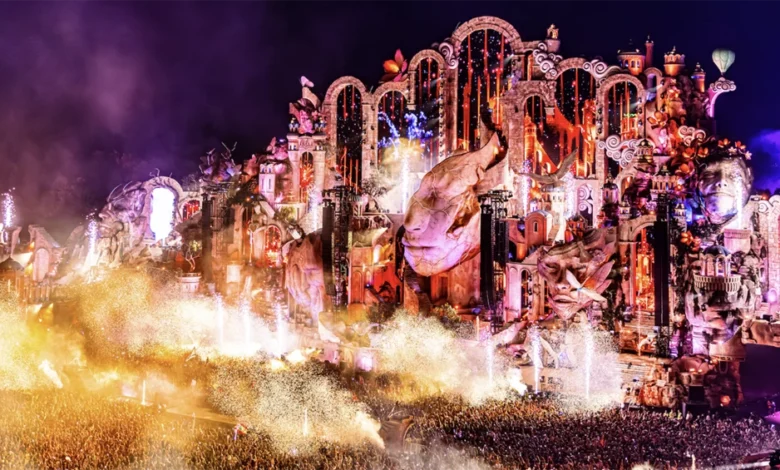
The renowned electronic music festival, Tomorrowland, is proceeding with its second weekend in Boom, Belgium, under unprecedented restrictions on its signature pyrotechnic displays. For the current edition’s concluding weekend, commencing Thursday, July 23rd, and extending through Sunday night, organizers have confirmed the complete absence of "large-scale" fireworks, alongside a strict limitation on pyrotechnic effects to the Main Stage only, utilizing only T1 and T2 class pyrotechnics. This decision marks a significant deviation from the festival’s long-standing tradition of elaborate, high-impact visual spectacles, directly influenced by prevailing environmental conditions and stringent local authority directives aimed at mitigating fire risks.
A Precedent-Setting Decision Amidst Environmental Concerns
The curtailment of pyrotechnics is not an isolated incident but a direct continuation of measures first implemented during the festival’s opening weekend. Local authorities in Boom had previously issued a comprehensive ban on both fireworks and stage pyrotechnics for the initial phase of the event. This initial prohibition stemmed from a prolonged period of dry weather that has gripped the region, leading to an elevated fire risk across Belgium. The severity of the situation is underscored by the nation remaining under a Code Orange wildfire risk warning, the second-highest alert level, indicating a substantial danger of wildfires. This persistent environmental threat has necessitated a cautious and proactive approach from both festival organizers and regulatory bodies, prioritizing public safety and environmental protection above traditional entertainment elements.
Tomorrowland, globally celebrated for its immersive fantasy themes, intricate stage designs, and world-class electronic music lineups, has historically integrated breathtaking fireworks and pyrotechnic shows as a cornerstone of its sensory experience. These displays, often synchronized with peak musical performances, have become synonymous with the festival’s grand finales and main stage activations, contributing significantly to its reputation as one of the most visually spectacular events worldwide. The absence of these elements, particularly the "large-scale" fireworks, represents a profound shift in the festival’s production model, one that carries implications for both attendee experience and future event planning.
Understanding Pyrotechnic Limitations: T1 and T2 Effects
According to reports from Belgian news outlet VRT NWS, the permitted pyrotechnics for Weekend Two are strictly confined to the Main Stage and will exclusively comprise T1 and T2 effects. These classifications refer to specific categories of pyrotechnic articles designed for particular safety distances and operational control. T1 pyrotechnics, often described as "theatrical pyrotechnics," are intended for use on stage or close to performers and audiences, characterized by minimal hazard. T2 pyrotechnics are professional-use items requiring specialized knowledge for deployment, but still designed for controlled, relatively short-range effects compared to consumer fireworks or large-scale display pyrotechnics.
Crucially, Tomorrowland organizers have emphasized that these T1 and T2 effects are distinctly different from the high-altitude fireworks traditionally employed at the festival. The limited nature of these effects means they pose a significantly lower fire risk, are easier to contain, and offer greater control over their immediate environment. Their deployment will not be automatic but will depend on rigorous daily safety assessments conducted in close consultation with local authorities. This dynamic assessment ensures that even the restricted pyrotechnics are only used when environmental conditions, such as wind speed and humidity, are deemed sufficiently safe, reflecting a commitment to adaptive risk management.
Broader Safety Measures and Community Impact
Beyond the pyrotechnic restrictions, other safety measures remain in effect for the second weekend. The ban on personal barbecues and cooking equipment at the festival’s campsites, introduced during Weekend One, will persist. To accommodate campers’ needs while upholding safety, supervised communal cooking areas have been established in designated, fire-safe locations. This measure highlights the comprehensive nature of the precautions being taken, extending beyond the main festival grounds to encompass all aspects of the attendee experience where fire risk could be present.
The local community of Boom, while undoubtedly benefiting from the substantial economic injection Tomorrowland brings, also bears the immediate impact of such large-scale events. The decisions made regarding safety and environmental protection are often the result of extensive dialogue between festival organizers, municipal authorities, emergency services, and local residents. The consensus to impose these restrictions underscores a collective understanding of the heightened environmental risks and a shared commitment to preventing potential disasters.
The Economic and Experiential Ripples
Tomorrowland annually draws hundreds of thousands of attendees from across the globe, contributing significantly to Belgium’s tourism sector and local economy. The festival’s 2023 edition, for example, saw an estimated 400,000 visitors over two weekends, generating substantial revenue for local businesses, accommodation providers, and transportation services. While the current restrictions on visual spectacle are primarily safety-driven, they inevitably prompt discussions about the overall festival experience and its evolution.
Attendees, many of whom plan their trips years in advance, arrive with expectations shaped by Tomorrowland’s legendary reputation for immersive artistry. The absence of "large-scale" fireworks may lead to some disappointment for those anticipating the traditional grand finales. However, early reactions from Weekend One suggest a general understanding and acceptance among the "People of Tomorrow," who recognize the paramount importance of safety. Festival organizers, in turn, are likely challenged to innovate within these constraints, potentially by enhancing other visual elements such as advanced laser shows, intricate lighting designs, drone displays, or augmented reality experiences to maintain the festival’s high standard of visual entertainment. The lineup for Weekend Two remains stellar, featuring electronic music luminaries such as ALOK, Indira Paganotto, Miss Monique, Armin van Buuren, Calvin Harris, and Mall Grab, ensuring that the musical core of the experience remains undiluted.
The Shifting Landscape of Festival Production and Climate Change
The situation at Tomorrowland is not an isolated incident but rather a microcosm of a broader challenge facing outdoor music festivals worldwide. As highlighted by DJ Mag’s long-read on how the climate crisis is threatening the future of music festivals, extreme weather events – including prolonged droughts, heatwaves, and increased wildfire risks – are becoming more frequent and intense. These climatic shifts are forcing festival organizers to re-evaluate every aspect of their planning, from site selection and water management to emergency protocols and artistic production.
The decision to ban or limit pyrotechnics, while specific to the current conditions in Belgium, sets a significant precedent. It signals a growing imperative for festivals to integrate robust climate risk assessments into their operational frameworks. This includes investing in predictive weather modeling, developing adaptive contingency plans, and exploring sustainable alternatives for high-impact visual effects. The festival industry, known for its innovation and spectacle, is now faced with the task of marrying grand artistic vision with ecological responsibility.
For future editions, including the one implied by the title "Tomorrowland 2026," these current restrictions could become standard operating procedures. The planning cycle for major festivals spans years, and decisions made today based on current climate realities will undoubtedly shape the events of tomorrow. This could mean a permanent shift away from traditional fireworks in regions prone to dry summers, or a greater emphasis on technologies that offer similar visual impact without the associated fire risk. Drone light shows, for instance, have emerged as a viable and spectacular alternative, capable of creating complex aerial formations and dynamic visual narratives without combustible materials.
Official Responses and Future Outlook
While specific official statements on the long-term implications are yet to be released, the current adherence to local authority mandates underscores a collaborative approach. The municipality of Boom, in conjunction with regional environmental agencies, holds the ultimate authority in matters of public safety. Their consistent Code Orange wildfire warning serves as a non-negotiable directive that festival organizers must respect. This symbiotic relationship between event producers and local governance is crucial for the sustainable future of such large-scale gatherings.
The 2024 edition of Tomorrowland (assuming the current year based on the July 23rd date), particularly its second weekend, will serve as a critical case study for the festival industry. It demonstrates how a world-leading event can adapt to significant environmental challenges while still striving to deliver an exceptional experience. The focus shifts from the explosive grandeur of traditional fireworks to perhaps more nuanced, technologically driven visual artistry, complemented by the unparalleled musical performances that remain the heart of Tomorrowland.
As the final beats reverberate through the fields of Boom this Sunday night, the discussions sparked by these pyrotechnic restrictions will undoubtedly continue. They will contribute to a broader conversation within the global festival community about environmental stewardship, operational resilience, and the evolving definition of spectacle in an era increasingly shaped by climate change. The future of Tomorrowland, and festivals like it, will hinge on their ability to innovate responsibly, ensuring that the magic endures even as the world around them changes. Attendees can still check out the set times for Weekend Two and catch up on all the action from Weekend One, witnessing firsthand how a festival of this magnitude navigates complex challenges while continuing to create unforgettable memories.