Celebrating the Legacy of Kirk Jones: The Multifaceted Impact of Sticky Fingaz in Hip-Hop and Cinema

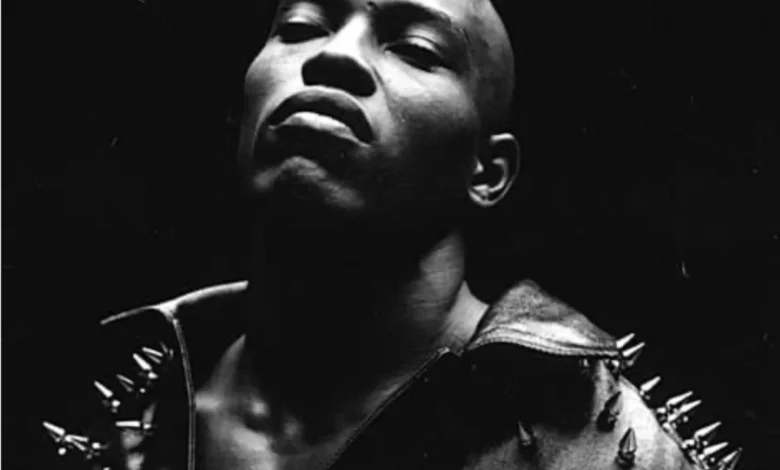
Kirk Jones, universally recognized by his stage name Sticky Fingaz, has solidified his status as an enduring pillar of American hip-hop culture and visual media. Born in Brooklyn, New York, Jones rose to prominence as the aggressive, high-energy frontman of the trailblazing hardcore rap group Onyx before carving out a formidable dual career as both a solo recording artist and a seasoned Hollywood actor. Over more than three decades in the entertainment industry, Jones has bridged the gap between raw East Coast street rap and mainstream cinematic storytelling, establishing a blueprint for artists transitioning successfully between musical and dramatic arts.
Main Facts and Musical Rise with Onyx
The foundational pillar of Sticky Fingaz’s career rests upon his contributions to the legendary hip-hop collective Onyx, formed in Queens, New York, in 1988. Alongside group members Fredro Starr, Sonny Seeza, and the late Big DS, Jones injected a volatile, punk-rock-infused intensity into the Golden Age of hip-hop. Dressed in combat boots, bald-headed, and shouting lyrics with unmatched visceral fury, the group revolutionized stage presence and vocal delivery.
In 1993, Onyx released their landmark debut studio album, Bacdafucup, via Jam Master Jay’s JMJ Records and Def Jam Recordings. The album was an immediate commercial and critical triumph, fueled by the ubiquitous lead single "Slam," which became an anthem crossing over from underground hip-hop charts to mainstream radio and MTV dominance. Bacdafucup achieved multi-platinum status, setting a high benchmark for hardcore rap in the early 1990s. Following this monumental success, Onyx released a series of subsequent studio albums, including All We Got Iz Us (1995) and Shut ‘Em Down (1998), further cementing their legacy in hip-hop history.
Chronology of a Diverse Discography
While Onyx established his reputation as a group powerhouse, Jones demonstrated his lyrical depth and conceptual storytelling abilities through his solo catalog and high-profile collaborations.
Transitioning into the 2000s, Sticky Fingaz released his ambitious solo debut, Black Trash: The Autobiography of Kirk Jones (2001). Structured as a narrative film script on compact disc, the critically acclaimed concept album detailed the tragic life and death of its protagonist, featuring guest appearances by luminaries such as Eminem, Raekwon, Redman, Canibus, and actor Omar Epps. He followed this with his second solo studio effort, Decade: …but wait it gets worse (2003), continuing to push creative boundaries.
Beyond his solo work, Jones became a sought-after guest collaborator. His gritty, unmistakable delivery graced iconic projects of the era, most notably Eminem’s diamond-certified The Marshall Mathers LP (2000) and Snoop Dogg’s No Limit Top Dogg (1999). Music critics and industry peers frequently cite his guest verses as masterclasses in intense, character-driven lyricism.
Cinematic Achievements and Iconic Roles
Parallel to his musical achievements, Kirk Jones cultivated an extensive and respected acting resume. Rather than taking simple cameo roles, Jones transitioned smoothly into character acting, appearing in gritty urban dramas, television series, and video game adaptations that resonated deeply with urban demographics and mainstream audiences alike.
For the celebration of his legacy, industry analysts and media outlets frequently highlight five definitive performances that showcase his range:

Eddie Mathematics in Doing Hard Time (2004)
In this gritty prison drama directed by கரி S. Robinson, Jones starred alongside Boris Kodjoe, portraying the ruthless and calculating prison kingpin Eddie Mathematics. The role allowed Jones to explore the darker psychological elements of institutionalized crime and power dynamics within the penal system.
Scientific in Clockers (1995)
Directed by acclaimed auteur Spike Lee, the cinematic adaptation of Richard Price’s novel Clockers offered Jones an early opportunity to showcase his dramatic chops. Playing Scientific, Jones contributed to a searing narrative examining street-level drug trade, moral compromise, and the devastating realities of inner-city investigations.
Tyrone in Next Friday (2000)
Demonstrating his versatility by stepping into comedy, Jones was cast as Tyrone, the intimidating yet comedic sidekick to the neighborhood bully Deebo in the cult-classic comedy Next Friday, starring Ice Cube. The role proved that Jones could seamlessly transition from hardcore gangsta rap and intense dramas into mainstream comedic cinema.
Blade in Blade: The Series (2006)
In a landmark television achievement, Jones was cast in the title role of Eric Brooks (Blade) for Spike TV’s live-action series adaptation of the Marvel Comics antihero. Taking over the mantle previously held on the silver screen by Wesley Snipes, Jones carried the 13-episode series with physical commitment, martial arts dedication, and brooding intensity, expanding the visibility of Black lead actors in comic book adaptations.
Wink in Def Jam: Icon (2007)
Venturing into the interactive entertainment space, Jones provided the voice, physical motion-capture, and likeness for the central antagonist Wink in Electronic Arts’ popular video game Def Jam: Icon. His character served as the primary narrative catalyst for the game’s story mode, intertwining hip-hop culture with cutting-edge gaming technology.
Supporting Data and Industry Context
The career trajectory of Kirk Jones reflects a broader economic and cultural shift within the entertainment industry during the 1990s and 2000s, where hip-hop artists successfully leveraged their cultural capital to enter Hollywood. According to music industry archives, Onyx’s Bacdafucup sold well over two million copies globally, placing the group in an elite tier of commercial rap acts during a highly competitive era. Furthermore, Jones’s transition into acting mirrored the paths of contemporaries like Ice Cube, Method Man, and Tupac Shakur, proving that hip-hop lyricists possessed the theatrical training and charisma required to anchor major Hollywood productions.
Official Responses and Cultural Reception
While individual publicists and directors have frequently praised Jones for his unwavering work ethic, collaborators across the entertainment spectrum have long lauded his dedication to his craft. Directors note his meticulous preparation for dramatic roles, while legendary producers often point out his intense recording discipline in the studio. Fans and cultural historians alike regard Sticky Fingaz as a vital bridge connecting the aggressive aesthetic of 1990s East Coast hardcore rap with the modern multi-hyphemans of today’s entertainment landscape.
Broader Impact and Implications
The enduring legacy of Sticky Fingaz extends far beyond Billboard charts and box office receipts. By maintaining a rigorous standard of authenticity across music, television, film, and interactive media, Jones helped pave the way for modern artists who refuse to be pigeonholed into a single creative medium. His ability to shift from the multi-platinum stage of Madison Square Garden to the soundstages of Spike Lee joints and Marvel television sets underscores the expansive potential of hip-hop culture. As newer generations of artists study the blueprints of cross-platform success, the career of Kirk Jones remains a definitive textbook example of longevity, adaptability, and uncompromising artistic vision.