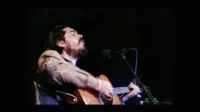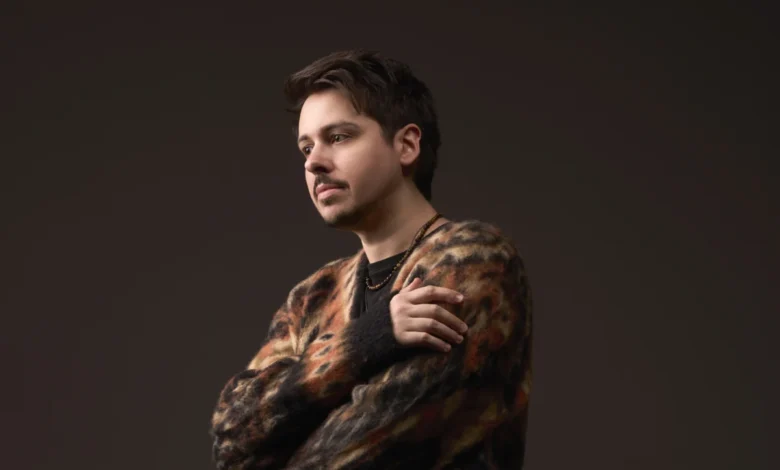
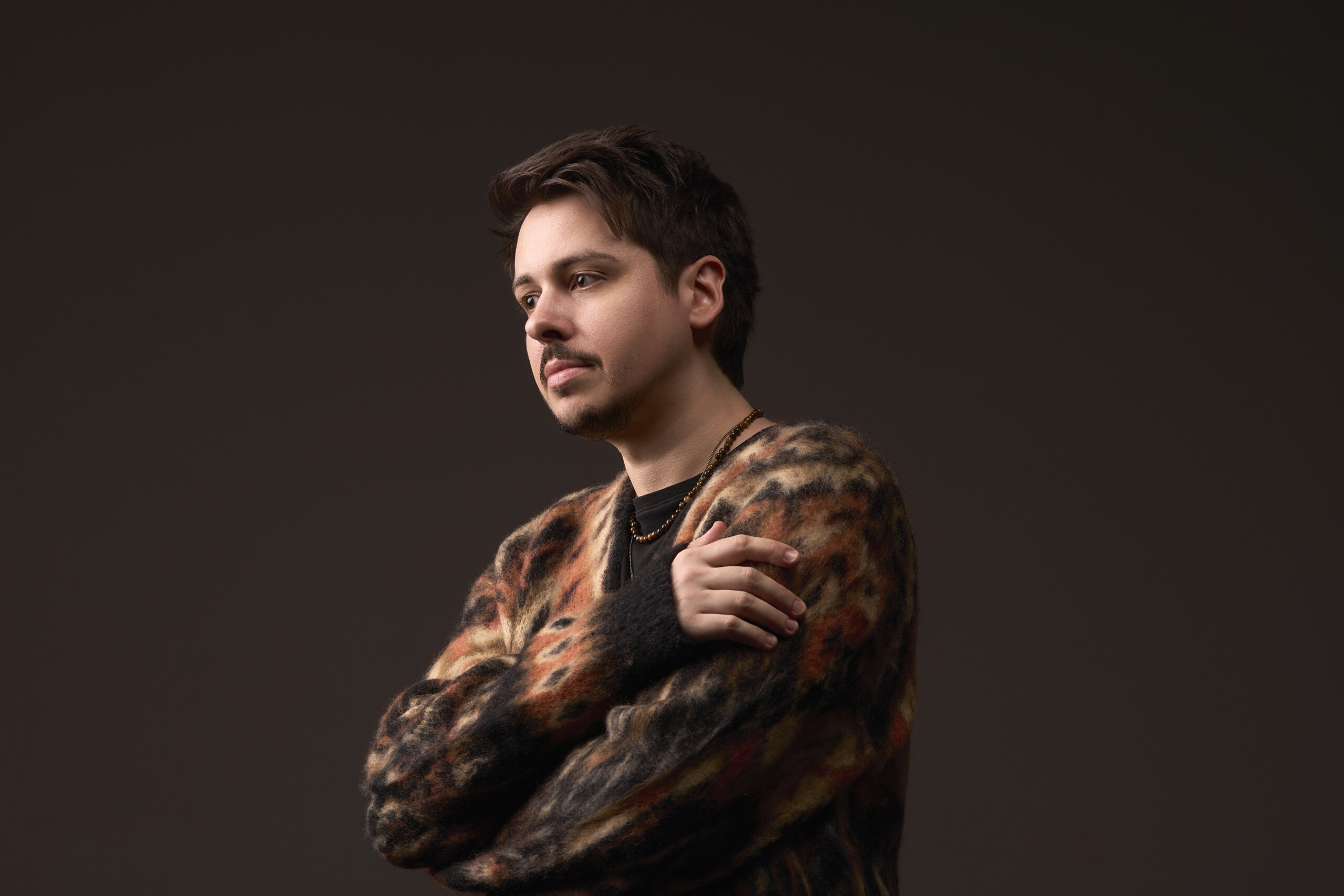
The release of the fifth studio album from musician, composer, and producer Dan Webb, titled Lion Dance, marks a pivotal moment in an artistic career defined by geographic transition and profound personal transformation. Having relocated from Melbourne, Australia, to Singapore in 2023, Webb has channeled the complexities of cross-cultural immersion and the stark realities of personal loss into a collection of tracks that bridge the gap between psychedelic fusion and modern world-music sensibilities. This album, which follows his 2023 project Sunshine/Dialogue, serves as a testament to the resilience of the creative process in the face of bereavement and the influence of Southeast Asian cultural motifs on Western musical traditions.
The Chronology of a Creative Shift
Webb’s transition to Singapore acted as a catalyst for a radical shift in his creative methodology. By the start of 2023, the artist had established a reputation for collaborative, interview-based compositions. However, the move to a new urban environment brought with it a different set of stimuli. As he began the foundational work for Lion Dance, his personal life was simultaneously upended by a series of family tragedies. The passing of three close family members in quick succession forced an introspection that permeated the album’s conceptual architecture.
The thematic focus of the record was solidified during a trip to Da Nang, Vietnam, where Webb witnessed a traditional lion dance performance. The event—a vibrant, percussive, and highly ritualistic display often associated with bringing good fortune and warding off evil spirits—provided the spiritual framework for the project. For Webb, the performance was not merely a cultural spectacle but a visual metaphor for the cycles of life, death, and rebirth found in Taoist and Buddhist philosophies. These teachings became the lens through which he processed his grief, transforming the album from a standard collection of songs into a cohesive meditation on mortality and spiritual renewal.
Architectural Composition and Collaborations
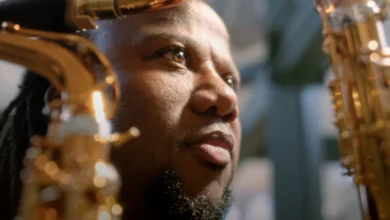
Lion Dance is distinguished by its ambitious production standards and the participation of world-class instrumentalists. Recognizing that his vision required a high level of technical precision and tonal depth, Webb enlisted a cadre of musicians whose professional histories include collaborations with industry titans such as David Bowie, Snarky Puppy, and The Rolling Stones.
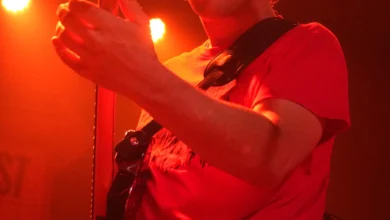
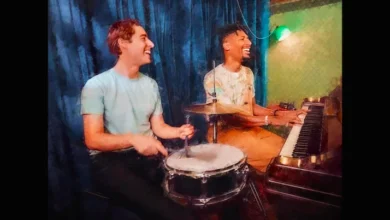
The integration of these disparate musical backgrounds is perhaps most evident in the track "Hungry Ghosts." The composition features Clive Deamer, a drummer whose pedigree in the realm of rock and jazz fusion provides the necessary rhythmic foundation to anchor the track’s psychedelic tendencies. Supporting this is keyboardist and synth specialist Dennis Hamm, who utilizes complex layering to create a sonic landscape that feels both expansive and intimate. The texture of the piece is completed by Bob Lanzetti, whose guitar work introduces a distinct, acid-etched, and distorted quality.
Musicologists observing the release have noted that the track’s structure—specifically its abrupt, jarring conclusion—is a deliberate creative choice. By ending the song with a suddenness that evokes a disconnected power source, Webb invites the listener to experience the sensation of the "hungry ghost," a Buddhist concept representing insatiable cravings and unfinished transitions. This stylistic choice underscores the album’s broader theme: that life, like the music, can be interrupted or altered without warning.
Comparative Analysis of Artistic Trajectories
To understand the significance of Lion Dance, one must compare it to Webb’s previous work, Sunshine/Dialogue. The latter was characterized by a utilitarian approach to music, serving as a supporting "musical bed" for interviews. In contrast, Lion Dance represents a departure into pure, instrumental storytelling. Where Sunshine/Dialogue was structured around the human voice and spoken word, Lion Dance relies entirely on the interplay of rhythm, timbre, and harmony to convey emotional weight.
This pivot reflects a growing trend among contemporary independent producers who are increasingly moving away from standardized pop formats in favor of genre-defying "global fusion." By blending elements of traditional Eastern percussive aesthetics with the improvisational spirit of Western fusion, Webb aligns himself with a cohort of producers who prioritize the "sonic gateway" over the "lyrical hook."
Industry Context and the Global Fusion Market
The emergence of projects like Lion Dance coincides with a broader market shift in the global music industry. Data from industry tracking firms indicates a steady increase in the consumption of "non-Western-centric" experimental music among Western audiences. This trend is driven by digital accessibility and a rising interest in the incorporation of traditional instruments—such as the drums associated with lion dances—into electronic and jazz compositions.
The success of such an album often relies on the producer’s ability to maintain authenticity while appealing to a global demographic. Webb’s decision to base his production in Singapore, a major nexus for cross-cultural commerce and artistic exchange, has provided him with a unique vantage point. The infrastructure of the Singaporean creative sector, combined with the city-state’s proximity to the traditional roots of the lion dance in Vietnam and China, has allowed for a production quality that feels deeply rooted in its source material.
Analytical Implications of the Work
From an analytical standpoint, Lion Dance serves as a case study in how personal trauma can dictate the tempo and tonality of a musical work. The album functions as a "sonic diary," where the grief of the artist is translated into a language of sound. The "lion dance" itself, traditionally performed in auspicious, loud, and joyful contexts, serves as an ironic but deeply poignant backdrop for mourning. By juxtaposing the high-energy percussion of the dance with the somber reality of his personal loss, Webb creates a dialectical tension that keeps the listener engaged.
Furthermore, the involvement of high-profile session musicians suggests a level of industry confidence in Webb’s vision. These collaborators, having worked with artists like David Bowie, are typically selective about the projects they undertake. Their participation validates the compositional complexity of the album and elevates it from a personal project to a professional standard production.
Future Projections and Industry Impact
As of late 2024, the critical reception of Lion Dance has highlighted the album’s technical merits, particularly the production and mixing quality. While the music industry is often prone to volatility, the trajectory of Dan Webb suggests a commitment to long-form, thematic artistic statements rather than ephemeral singles.
Looking ahead, the implications of this album for Webb’s career are twofold. First, it establishes his viability as a solo composer capable of directing high-level collaborative projects. Second, it solidifies his niche in the fusion market, specifically for listeners seeking music that bridges cultural divides. While the artist has not yet announced a follow-up project, industry insiders anticipate that his future work will likely continue to explore the intersections of geography and existential philosophy.
Conclusion: A Synthesis of Sound and Spirit
Lion Dance is more than a follow-up release; it is a synthesis of the artist’s current environment and his historical context. By moving from Australia to Singapore, Webb did not merely change his zip code; he recalibrated his artistic frequency. The album stands as a professional achievement, reflecting a rigorous approach to production that does not shy away from the darker or more abstract aspects of the human experience.
For listeners, the record offers a rare opportunity to engage with music that is simultaneously rooted in the traditions of the East and the technical innovations of the West. As Webb continues to navigate his career, Lion Dance will likely be remembered as the project that defined his transition from a producer of supporting tracks to a creator of standalone, narrative-driven soundscapes. Whether the "hungry ghosts" referenced in his work will be satisfied by his next effort remains a matter of speculation, but given the trajectory established by this album, the expectation for his future output remains significantly elevated.
In the final assessment, the album achieves its primary objective: it bridges the gap between the listener and the artist’s personal history, using the lion dance as both a rhythmic guide and a symbolic vessel for navigating the most challenging aspects of the human condition.