The Long-Awaited Studio Collaboration Between Guitar Virtuosos Steve Vai and Joe Satriani Fifty Years in the Making

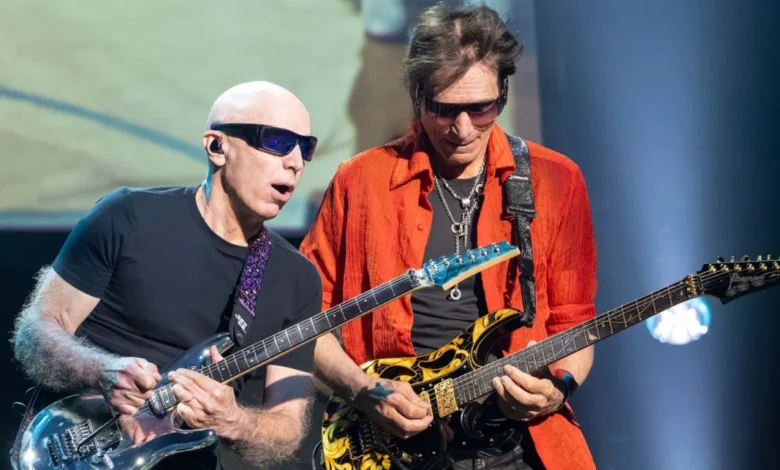
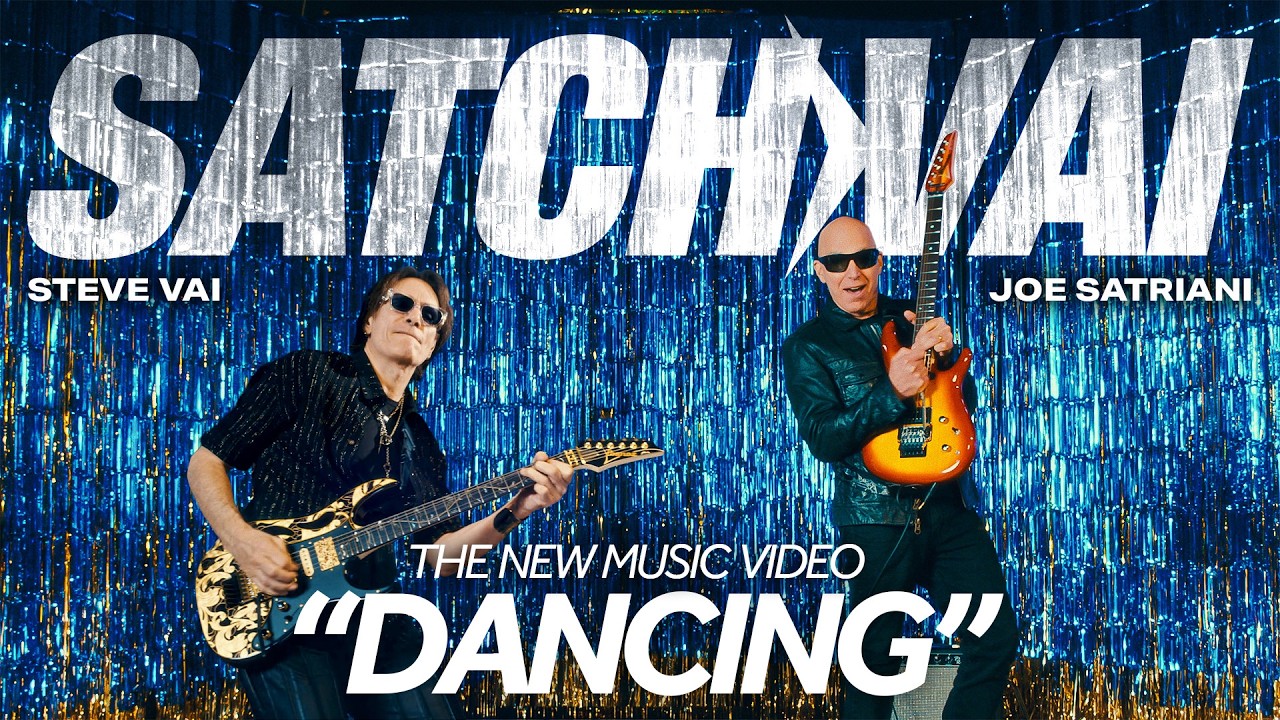
The musical landscape has long been defined by the individual contributions of Steve Vai and Joe Satriani, two icons of the electric guitar whose technical prowess and innovative approaches have set the standard for modern rock and instrumental music. While their careers have been inextricably linked through friendship, mentorship, and a shared geographical history in Long Island, New York, the two legends had never committed to a formal, full-length studio collaboration—until now. Spanning five decades of mutual evolution, the duo has finally released a joint project that traces the trajectory of their artistic relationship from teenage lessons in the 1970s to their current status as elder statesmen of the instrument.
The Genesis of a Half-Century Partnership
The story of this collaboration began long before the recording sessions took place. In the early 1970s, a 14-year-old Joe Satriani took a young, 12-year-old Steve Vai under his wing as a guitar student. At the time, Satriani was already developing a reputation in the local Carle Place music scene for his technical discipline and melodic intuition. Recognizing a raw, unbridled talent in the younger Vai, Satriani made a conscious effort to impart his knowledge, sensing that his protégé was destined for a significant musical career.
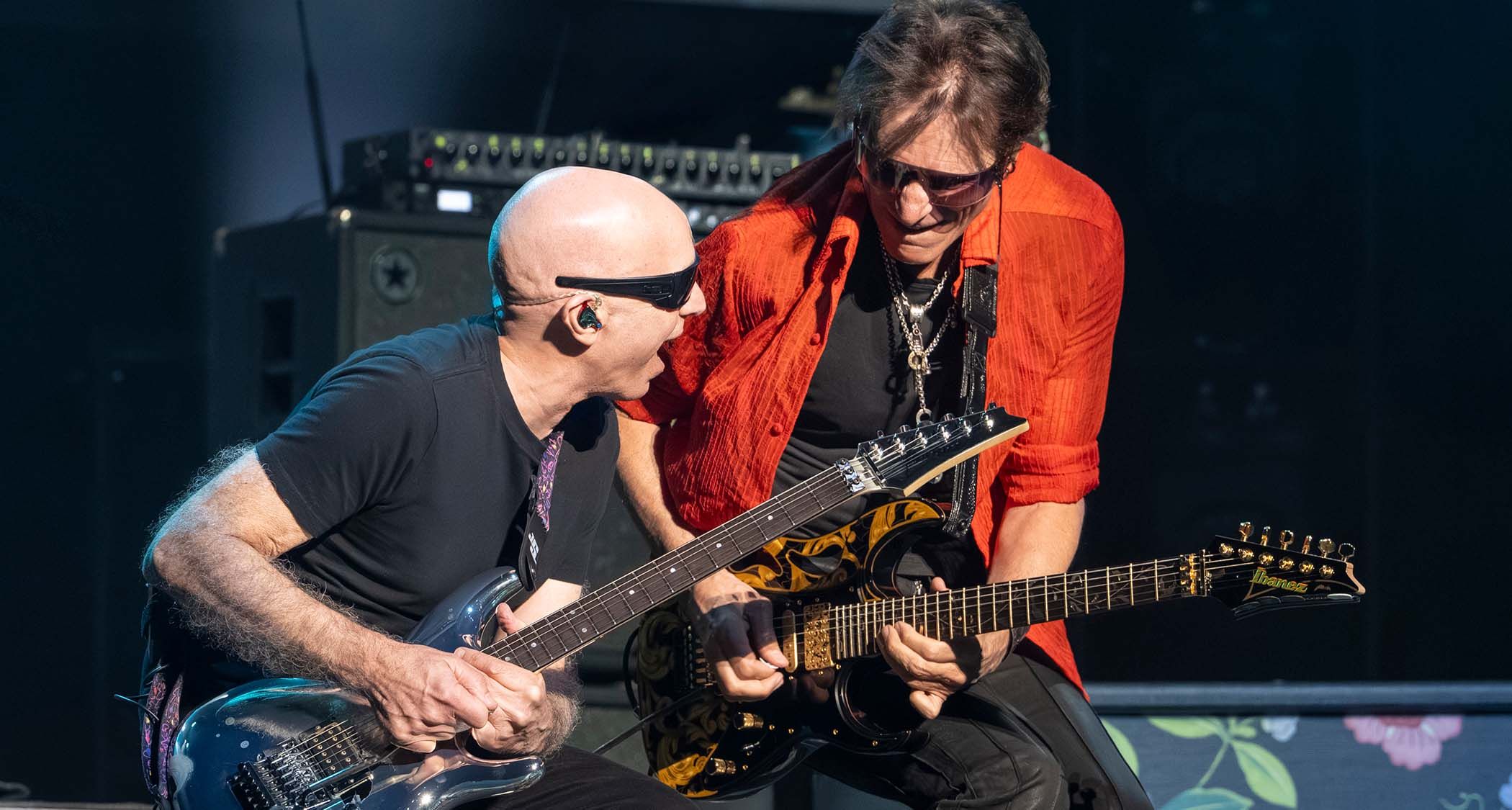
This foundational period served as the blueprint for their lifelong friendship. Despite diverging career paths that saw both men migrate to California, build parallel lives in Lake Tahoe, and raise families in synchronized stages, they remained deeply connected. The title of their new project, The Sea of Emotion, is a direct reference to the open fields across from their high school in Carle Place, where they once spent hours discussing the potential of the electric guitar and dreaming of future success.
A Modern Approach to Recording
While the album is rooted in the nostalgia of their teenage years, the production process was remarkably modern. Due to their rigorous touring schedules—with Vai participating in the Beat tour performing King Crimson’s repertoire and Satriani joining Sammy Hagar’s Best of All Worlds Tour to replicate Eddie Van Halen’s iconic guitar work—the duo could not simply sit in a room and track live.
Instead, they utilized a sophisticated remote-recording workflow. Working from their respective home studios in Los Angeles and San Francisco, they exchanged files via high-speed digital channels, often waiting days or weeks to solicit reactions from one another. This "slow-cook" approach allowed for a level of compositional reflection that is rare in the high-pressure environment of professional music production.
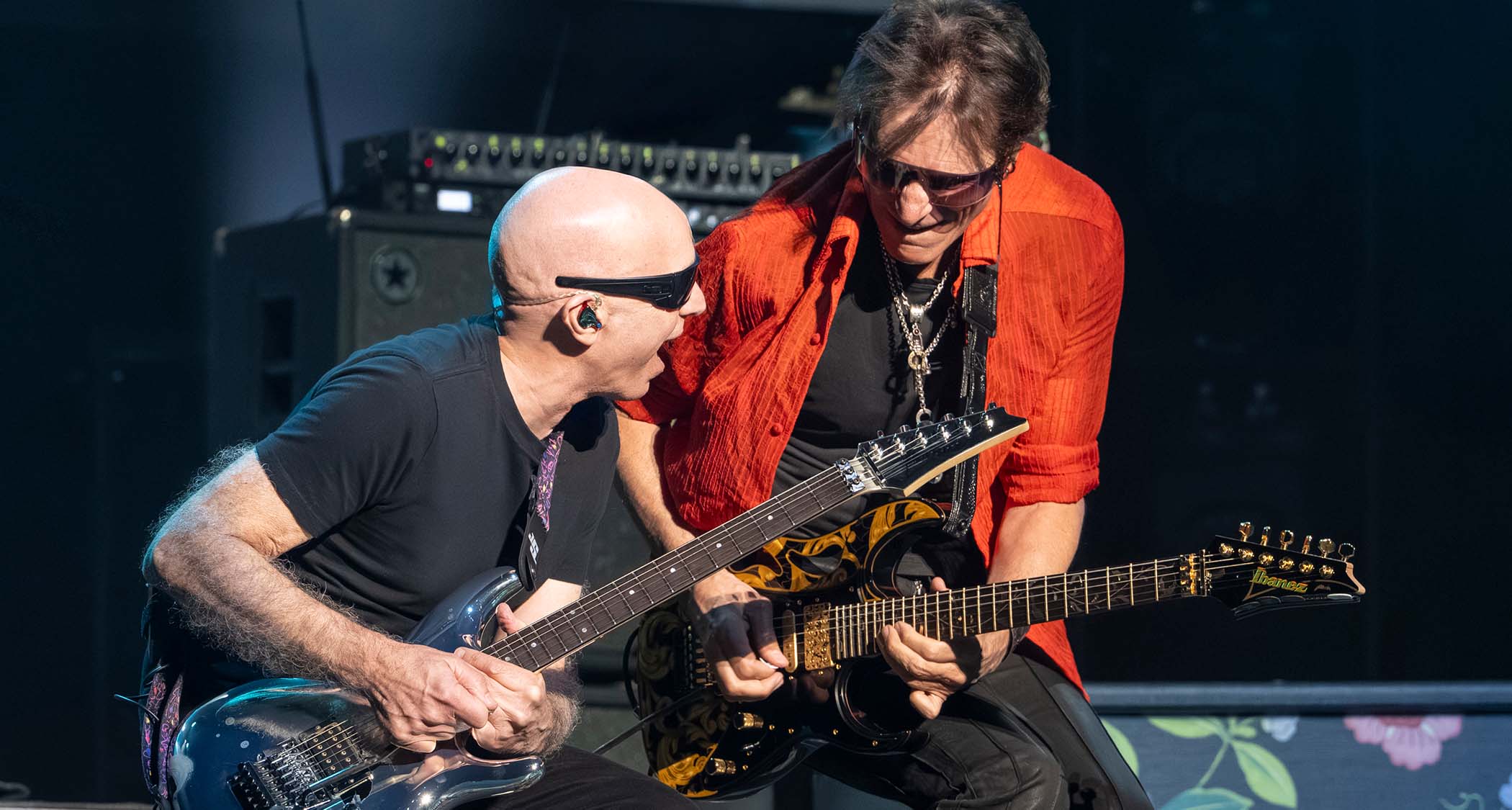
They leaned heavily into digital technology, employing industry-standard suites such as IK Multimedia’s AmpliTube and Tonex, as well as Neural DSP plugins. This shift allowed them to bypass the time-consuming process of physical mic placement and tube amplifier maintenance, focusing entirely on the compositional and performative aspects of their craft. According to Satriani, this decision provided a "relief" that allowed them to prioritize creativity over the technical logistics that characterized their earlier, traditional studio sessions.
The Inclusion of the "Voice of Rock"
A pivotal moment in the production of the album occurred during the recording of the track "I Wanna Play My Guitar." As the only vocal track on the record, it required a performance that could bridge the gap between their technical instrumentalism and the classic rock sensibilities they grew up emulating. They enlisted Glenn Hughes, the former Deep Purple bassist and vocalist, to provide the lead vocals.
Hughes, an industry veteran who famously appeared on the landmark album Burn, brought an air of authenticity to the session. For both Vai and Satriani, Hughes’s involvement served as a "consecration" of the project. The track itself eschews the complex digital interplay found elsewhere on the album, opting instead for a sound reminiscent of the 1970s hard rock era—the sounds of Led Zeppelin, Black Sabbath, and Queen. It is, as Vai describes, a song without the interference of modern digital noise, capturing the raw energy of two teenagers finding their identity through six strings.
Technical Parallels and Artistic Divergence
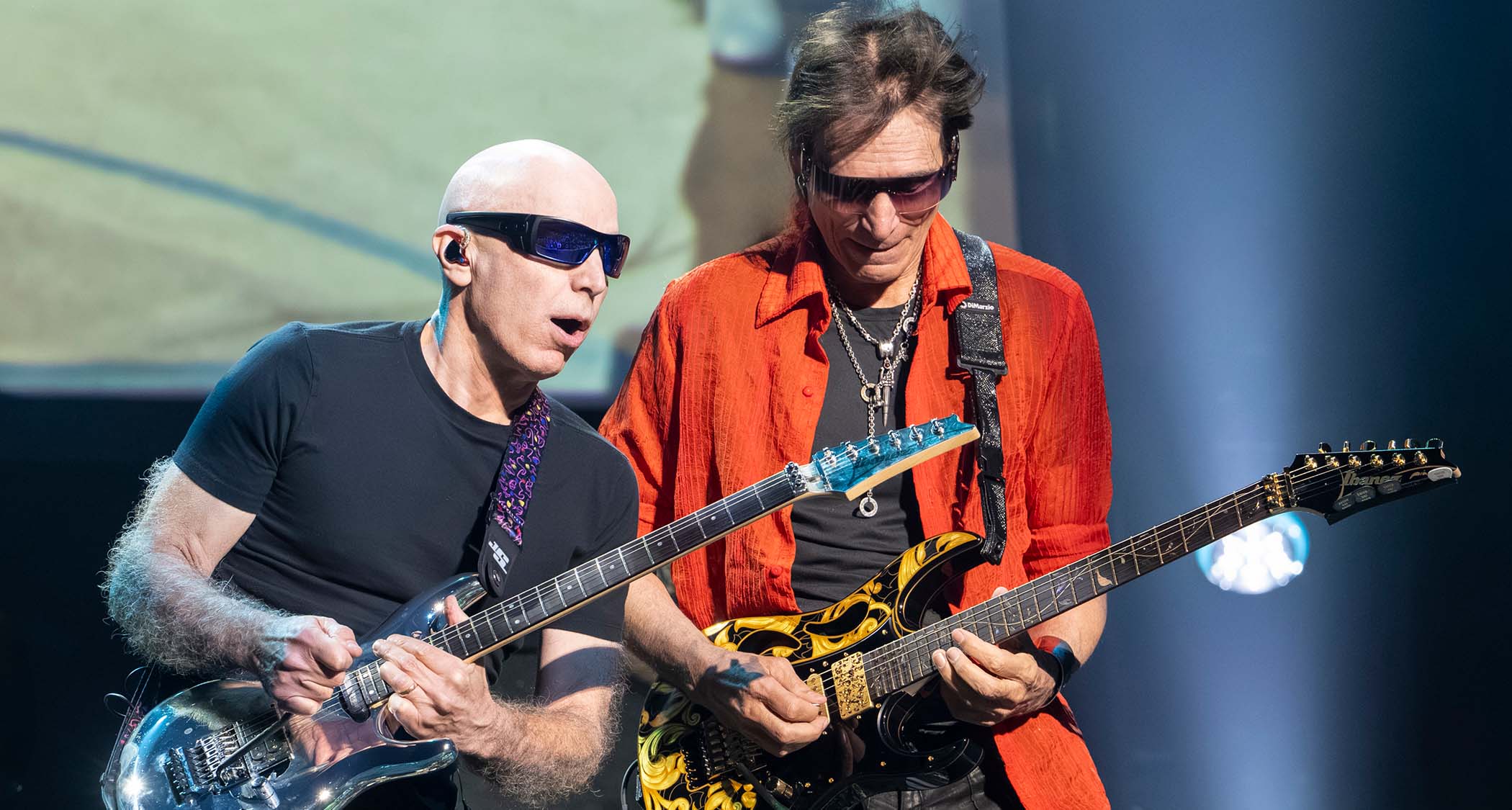
The project highlights the uncanny parallels in their careers. Both men have established long-standing signature series with Ibanez, both have maintained high-profile solo careers, and both have fundamentally altered the pedagogical approach to the guitar. However, the album also exposes their distinct stylistic differences.
During the Satch/Vai tour, the duo discovered that their playing styles, while conceptually aligned, often required significant compromise in practice. Satriani noted that there were moments during the writing process where they had to be brutally honest about their individual limitations. If a riff or a solo written by one was deemed too idiosyncratic for the other to replicate comfortably, they would pivot, allowing the partner to adapt the passage to their own voice. This mutual respect for the "other" is a recurring theme in their collaborative dynamic, where the goal is never to compete for technical supremacy, but to serve the composition.
Broader Implications for the Industry
The release of this collaboration arrives at a time when the "guitar hero" archetype is undergoing a transition. By blending legacy, analog-era sentimentality with cutting-edge digital production, Vai and Satriani are providing a masterclass in how to remain relevant in a rapidly evolving industry.
The economic and logistical success of their remote collaboration serves as a case study for established artists who struggle to find time for legacy projects amidst demanding touring cycles. By utilizing digital infrastructure, they have successfully mitigated the "tyranny of the studio clock," allowing their work to marinate. This is a significant departure from the 1980s and 90s era of rock production, where studio time was a premium asset that dictated the pace of creativity.
Chronology of the Project
- 1970s: Joe Satriani provides guitar instruction to a young Steve Vai in Carle Place, New York.
- 1980s–2000s: Both artists embark on highly successful independent careers, eventually becoming industry pillars through the G3 tour and their respective signature guitar lines.
- 2023: The duo announces the inaugural Satch/Vai tour, creating the initial impetus for a formal studio collaboration.
- 2024: Amidst busy touring schedules (including Vai’s work with Beat and Satriani’s Sammy Hagar commitments), the pair begins the long-distance exchange of guitar riffs and melodies.
- 2025–2026: Final mixing and production are completed with the assistance of producer Eric Caudieux and mix engineer Greg Koller.
- 2026: The project is finalized, featuring a unique blend of digital-first recording and classic rock sensibilities.
Fact-Based Analysis
The collaboration is not merely a nostalgia act. From a musical theory perspective, it represents the intersection of two distinct, yet compatible, schools of thought: Satriani’s focus on thematic development and melodic structure versus Vai’s penchant for avant-garde textures and harmonic complexity. The integration of these styles, coupled with their embrace of modern VST (Virtual Studio Technology), positions the album as a contemporary work rather than a museum piece.
The decision to feature only one vocal track is a strategic choice that preserves the album’s identity as an instrumental-first work. By keeping the vocal track to the end of the project, the duo maintains the listener’s focus on their guitar interplay, ensuring the narrative remains centered on their lifelong dialogue.
Conclusion
As the music industry continues to favor shorter, ephemeral content, the commitment of Steve Vai and Joe Satriani to a long-form, 50-year-in-the-making project is a notable outlier. It is a testament to the enduring power of their friendship and their shared, unquenchable curiosity regarding the possibilities of the guitar. Whether the listener is a longtime fan of their technical virtuosity or a casual observer of rock history, this collaboration offers a unique insight into the minds of two artists who, despite reaching the pinnacle of their profession, continue to challenge each other to "raise the bar."
The project serves as a definitive chapter in the story of two musicians who, having started in a small field in New York, have spent a lifetime exploring the limits of what their instrument can express. The "Sea of Emotion" is, ultimately, a tribute to the simplicity of their beginnings and the complexity of their journey.
Related posts: