Saioa Hernández Triumphs in Met Opera Tosca Revival as Spanish Soprano Makes Long-Awaited Company Debut

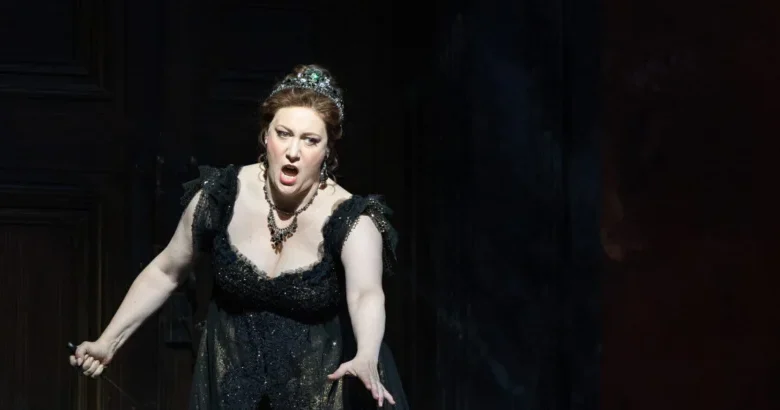
The Metropolitan Opera’s ongoing 2024–25 season reached a fever pitch on the evening of November 9, when the prestigious institution presented the third performance of its high-profile revival of Giacomo Puccini’s tragic masterpiece, Tosca. This season’s ambitious programming schedules a total of 25 performances of the work, featuring a rotating roster of five distinct sopranos taking on the iconic title role. However, it was the opening revival that generated substantial anticipation across the international classical music community, marked by the Metropolitan Opera debut of acclaimed Spanish soprano Saioa Hernández. Celebrated across the world’s most prominent opera houses and famously dubbed "the diva of our century" by legendary soprano Montserrat Caballé, Hernández lived up to her formidable reputation on November 9, delivering a fearless, multi-dimensional portrayal of Floria Tosca that ultimately carried an otherwise uneven evening of musical and dramatic execution.
Background Context and Production Framework
Puccini’s Tosca, with a libretto by Luigi Illica and Giuseppe Giacosa, remains one of the most frequently performed and dramatically demanding operas in the standard international repertoire. Set in Rome in June 1800 against the backdrop of political turmoil and the Napoleonic Wars, the opera explores themes of love, political oppression, religious devotion, and ruthless tyranny. The Metropolitan Opera’s current staging is anchored in the grand, cinematic production originally directed by David McVicar, a mounting known for its lavish period details and traditional theatricality.
The revival features a revolving cast designed to test the vocal and dramatic versatility of its headliners. Yet, the inclusion of Hernández for the initial run of performances injected a rare level of dramatic urgency into the established McVicar staging. Known for her dominant presence in major European theaters, Hernández brought not only vocal stability but also fresh interpretive choices that challenged and refined the traditional blocking of the production.
Chronological Breakdown of the Performance
The dramatic arc of the November 9 performance unfolded across three distinct acts, defined by Hernández’s evolving psychological portrait of the tragic heroine, supported unevenly by her male counterparts and the pit orchestra.
In Act I, set within the sunlit interior of the Church of Sant’Andrea della Valle, Hernández established a vibrant, multi-layered Tosca. Balancing pious devotion with youthful flirtatiousness and sudden, burning jealousy toward her lover, the painter Mario Cavaradossi, the Spanish soprano utilized subtle physical blocking—such as hiding their faces beneath a shawl during an intimate embrace—to ground the relationship in a believable, tactile reality. Vocally, her opening lines ("Mario Mario son qui!") rang out with a round, plush, commanding resonance, utilizing a rich chest voice before shifting seamlessly into suave, seductive legato phrasing in "Ora stammi a sentir" and "Non la sospiri la nostra casetta."
As the narrative progressed into Act II within the oppressive confines of the Palazzo Farnese, Hernández’s characterization transformed from youthful exuberance to sheer terror and calculated defiance. Confronting Quinn Kelsey’s Baron Scarpia, Hernández navigated the psychological labyrinth with soaring vocal power, culminating in chilling, powerful high Cs during "Orsù, Tosca parlate." Notably, her interpretation of the iconic aria "Vissi d’arte" diverged from the traditional bombastic approach. Instead of overextending the phrase for cheap theatrical effect, Hernández offered an introspective, highly contained, and intimate reading, utilizing floated pianissimos that slowly blossomed to convey profound spiritual and emotional desolation.
The climax of the act featured a notable directorial adjustment by the soprano. Dispensing with the awkward, winding chases around the dining table typically seen in the McVicar production for the second fatal stab, Hernández paused momentarily by a chair to observe Scarpia, striking with calculated precision when the villain attempted to move. This subtle alteration successfully resolved one of the production’s long-standing dramaturgical stumbling blocks.
Act III offered a brief respite of pastoral joy before plunging into catastrophe. Hernández’s entrance brought a bright, triumphant timbre to the stage, which quickly shattered upon the discovery of Cavaradossi’s execution. Her final vocal utterances—ranging from the desperate, frenzied cries of "Mario! Mario! Morto! Morto!" to the deeply defiant "O Scarpia, avanti a Dio!"—cemented a cohesive, emotionally devastating character arc.
Supporting Cast Performances: Baek and Kelsey
Tenor SeokJong Baek, undertaking a demanding slate of performances for the Met this season, portrayed Mario Cavaradossi with notable ardour and vocal strength. Baek opened the evening with a solidly delivered "Recondita armonia," establishing his credentials as a romantic lead. Throughout Act II, his intensity escalated during the brutal interrogation sequences, culminating in a show-stopping, extended delivery of "Vittoria! Vittoria!" that elicited a massive, show-stopping ovation from the house. In Act III, his rendition of "E lucevan le stelle" featured gorgeously connected lines and passionate high notes, though it occasionally lacked the hushed, gossamer pianissimo that defines the absolute pinnacle of the aria.
Baritone Quinn Kelsey returned to the role of Baron Scarpia, a character he first debuted at the Metropolitan Opera earlier in 2024. Vocally, Kelsey brought formidable authority to the performance. His delivery of the "Te Deum" at the close of Act I showcased immaculate legato control and a commanding upper register. In Act II, his musical interpretation was rich in tone, weaponizing the text to project manipulative lust and chilling cruelty, particularly during the interrogation and torture scenes.
Physically and dramatically, however, Kelsey’s portrayal remained somewhat constrained. Observers noted a certain passivity and hesitation in the baritone’s physical engagement during the opera’s violent confrontations, particularly when attempting to assert dominance over Hernández on stage. While his vocal apparatus conveyed the requisite authority, the physical menace of the corrupt police chief occasionally felt muted against his fiercely committed stage partner.
Conductorial Interpretation and Orchestral Challenges
The most persistent point of discussion surrounding the evening’s performance centered on the pit, led by conductor Oksana Lyniv. Throughout the three acts, Lyniv’s interpretive choices frequently diverged from the momentum of the stage action, creating a discernible disconnect between the orchestra and the vocalists.
Critiques of the musical direction highlighted a series of problematic pacing issues and balance discrepancies. In Act I, the snare drum accompanying the Shepherd’s song overpowered the young vocalist’s projection. The instrumental introduction to Cavaradossi’s Act III aria was stretched to an unusual degree, diluting the emotional urgency of the music. Furthermore, unexpected accentuations of auxiliary wind and horn instruments during pivotal dramatic transitions—such as the orchestral interlude preceding Scarpia’s murder—disrupted the cohesive texture of Puccini’s score.
Throughout the evening, tempo discrepancies caused friction with the cast. During "Vissi d’arte," Lyniv’s extended orchestral phrasing prolonged the musical line after Hernández had completed her vocal delivery, forcing an awkward temporal gap. Similar deceleration in Scarpia’s music and the final tragic duet sapped the score of its traditional Italianate fluidity and forward propulsion. The most successful moments of Lyniv’s tenure in the pit occurred when the conductor yielded entirely to the explosive vocal power and dramatic phrasing of Hernández, aligning the orchestra with the soprano’s decisive emotional climaxes.
Broader Implications and Future Outlook
The November 9 revival of Tosca underscores the shifting landscape of international opera casting, where individual star power can decisively elevate a standard repertory revival. For the Metropolitan Opera, the successful debut of Saioa Hernández reinforces the institution’s ongoing efforts to attract premier European talent to its New York stage.
As the 2024–25 season continues its multi-performance run of Puccini’s thriller with its rotating cast of divas, the performance served as a masterclass in dramatic soprano interpretation. Despite the logistical and musical friction observed in the orchestral pit, Hernández’s commanding vocalism, theatrical fearlessness, and intelligent stagecraft left an indelible mark on the production. Critics and operagoers alike are left anticipating her swift return to the Metropolitan Opera for future headline engagements and newly minted theatrical productions.