Musica Sacra to Ring in the Holidays at Carnegie Hall with Benjamin Britten’s A Ceremony of Carols and Baroque Masterworks Under Kent Tritle

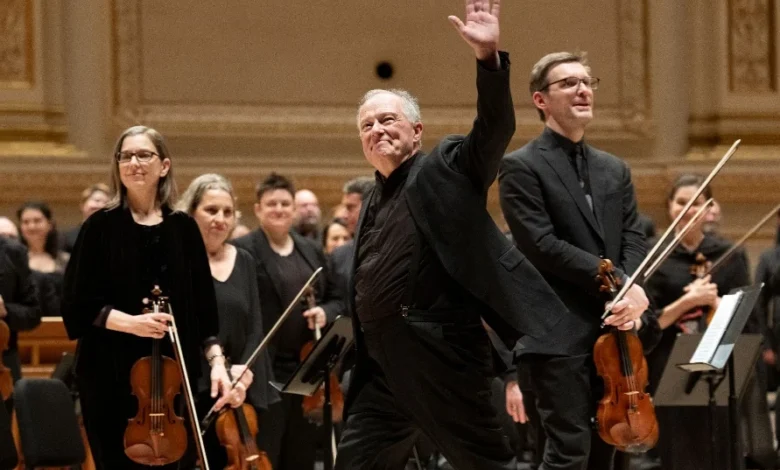
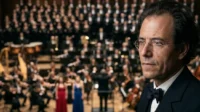
New York City’s esteemed musical landscape is preparing for a majestic seasonal celebration as Musica Sacra, the city’s longest continually performing professional chorus, announces its forthcoming holiday concert. Led by visionary Music Director Kent Tritle, the elite ensemble will take over the prestigious Stern Auditorium / Perelman Stage at Carnegie Hall on December 17, 2026, at 7:30 p.m., for a program titled Classics for Christmas: A Ceremony of Carols. This carefully curated evening of sacred and secular holiday masterworks aims to bridge centuries of musical tradition, blending the luminous textures of 20th-century choral writing with Baroque brilliance and contemporary reflections on the winter season.
As audiences increasingly seek culturally enriching experiences during the winter holidays, Musica Sacra’s upcoming performance stands out as a cornerstone event in Manhattan’s bustling December arts calendar. By pairing Benjamin Britten’s iconic, ethereal harp-accompanied masterpiece with works by Handel, Leopold Mozart, and modern luminaries, the chorus reaffirms its longstanding reputation for artistic excellence, vocal precision, and innovative programming.
Main Facts and Program Highlights
The centerpiece of the December 17 concert will be Benjamin Britten’s A Ceremony of Carols, Op. 28, a staple of the choral repertoire composed in 1942 while Britten was crossing the Atlantic Ocean on a cargo ship from the United States back to England. Written for three-part treble chorus and solo harp, the piece utilizes Middle English texts that evoke the mystique, innocence, and solemnity of the medieval Christmas tradition.
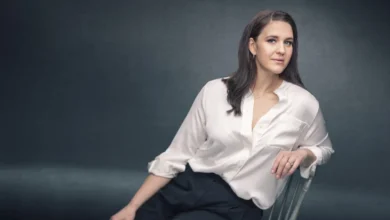
Joining Musica Sacra for this demanding work is renowned harpist Mariko Anraku, Associate Principal Harpist of the Metropolitan Opera Orchestra. Anraku’s virtuosic command of the instrument is expected to elevate the atmospheric glissandos and hypnotic interlocking rhythms that define Britten’s wintry soundscape.
The program extends far beyond the 20th century, offering a panoramic view of classical compositions inspired by the winter season. George Frideric Handel’s triumphant anthem The King Shall Rejoice will bring regal Baroque grandeur to the Carnegie Hall stage, showcasing the full power of Musica Sacra’s professional vocalists. This is complemented by Leopold Mozart’s delightful and whimsical Sleigh Ride (Musicalische Sleigh-Fahrt), a piece that captures the joy of winter travel through sparkling orchestral effects and rhythmic vitality.
Adding further instrumental brilliance to the evening, Maximillian Morel, Principal Trumpet of the American Ballet Theater, and David Pushkoff, Principal Trumpet of the New York City Ballet, will take center stage as guest soloists. They will perform Francesco Manfredini’s luminous Concerto for Two Trumpets, a Baroque confection known for its intricate counterpoint and triumphant interplay between the brass instruments and the accompanying ensemble.
To ground the program in contemporary resonance, Musica Sacra will also perform seasonal works by a diverse roster of living and recent composers, including Reena Esmail, Morton Lauridsen, and Wayne Oquin. These modern selections will provide a contemplative contrast to the historic masterworks, exploring contemporary spiritual and emotional connections to the darkest and brightest days of the year.
Chronology and Historical Context
To fully understand the significance of Musica Sacra’s upcoming Carnegie Hall appearance, one must examine the rich history of both the performing ensemble and the works featured on the program.
Founded in 1964, Musica Sacra emerged during a period of dynamic growth in New York City’s classical music ecosystem. Over the past six decades, the organization has cemented its status as New York’s longest continually performing professional chorus. From its inception, the group’s mission has remained steadfast: to create definitive, professional choral performances of the highest caliber, spanning a vast repertoire from the Renaissance to world premieres by living composers.
Kent Tritle, who has served as Music Director since 2007, has further expanded the chorus’s artistic reach, guiding the ensemble through acclaimed recordings, major orchestral collaborations, and innovative thematic programming. Under Tritle’s leadership, Musica Sacra has become known not only for its technical precision and warm, unified choral blend, but also for its ability to transform historic sacred spaces and concert halls into environments of deep spiritual and aesthetic contemplation.
The timeline of the evening’s flagship composition, Britten’s A Ceremony of Carols, adds another layer of historical depth. Written under the shadow of World War II, Britten’s composition reflects a yearning for peace, simplicity, and historical continuity. Originally conceived as a collection of independent unison carols, it evolved into a cohesive, cyclical masterwork framed by the traditional plainchant processional and recessional, Hodie Christus natus est. When it premieres at Carnegie Hall in December 2026, it will be heard through the lens of modern virtuosity, brought to life by artists who have dedicated their lives to the preservation and evolution of the choral arts.
Supporting Data and Collaborative Excellence
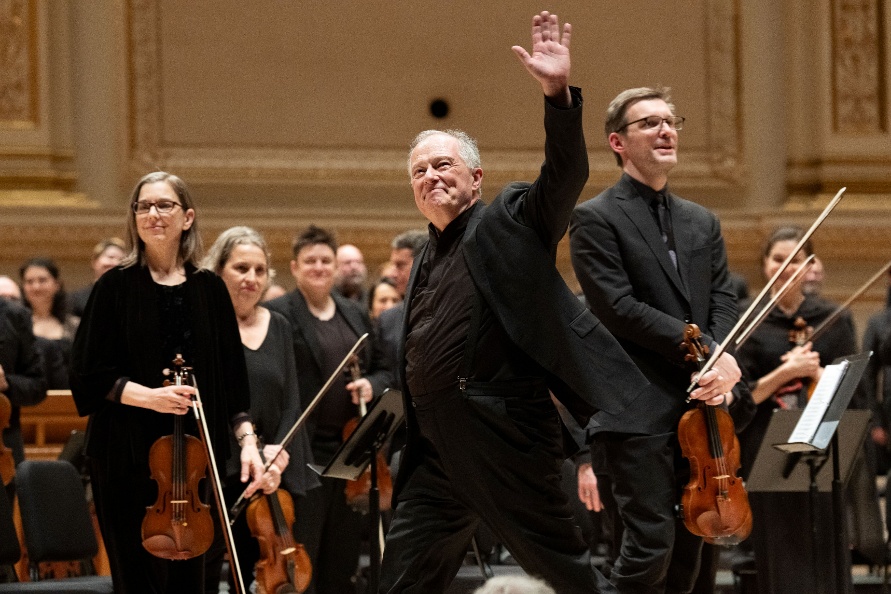
The 2026 holiday concert is bolstered by the participation of elite instrumentalists from New York’s premier cultural institutions. Collaborations of this caliber are a hallmark of Musica Sacra’s programming strategy, ensuring that every instrumental solo matches the exceptional standard set by the chorus.
Mariko Anraku’s involvement as the harp soloist for Britten’s work brings world-class artistry to the stage. As Associate Principal Harpist of the Metropolitan Opera Orchestra—one of the most demanding and prestigious symphonic posts in the world—Anraku has earned international acclaim for her lyrical phrasing and technical mastery. Her interpretations have graced major concert halls across the globe, making her an ideal partner for the intricate demands of Britten’s harp writing, which requires both crystalline clarity and deep emotional resonance.
Similarly, the inclusion of brass virtuosos Maximillian Morel and David Pushkoff highlights the cross-institutional camaraderie that defines New York’s classical music community. By drawing principal players from the American Ballet Theater and the New York City Ballet, the concert bridges the worlds of symphonic choral music, ballet, and opera. Manfredini’s Concerto for Two Trumpets will serve as a sparkling showcase for these musicians, requiring absolute synchronization, breath control, and stylistic purity in the Baroque idiom.
Statistical metrics surrounding ticket demand, audience demographics, and Carnegie Hall’s holiday programming indicate that choral concerts featuring high-profile guest artists consistently attract near-capacity crowds. For subscribers and first-time ticket buyers alike, the combination of a legendary venue, a celebrated local chorus, and a festive yet intellectually stimulating program represents an essential holiday tradition in the cultural capital of the United States.
Artistic Analysis and Official Perspectives
While specific public statements regarding the December 2026 program are unfolding as the performance date approaches, the curatorial choices made by Kent Tritle offer clear insight into the artistic philosophy guiding Musica Sacra.
In past interviews and program notes, Tritle has frequently emphasized the power of choral music to foster community, shared reflection, and emotional catharsis. By uniting works from the Baroque era with 20th-century milestones and contemporary reflections, the concert constructs a narrative of seasonal celebration that is both universal and deeply personal.
Musicologists and arts critics have often praised Musica Sacra for its ability to navigate complex polyphony with transparent textual clarity. The juxtaposition of Handel’s monumental choral writing with the intimate, treble-voice textures of Britten’s A Ceremony of Carols demonstrates a deliberate structural contrast. The concert moves fluidly from the public, celebratory declarations of divine favor in Handel’s anthem to the hushed, interior mysticism of medieval poetry set by Britten, before opening up into the joyful exuberance of contemporary seasonal compositions.
Furthermore, the inclusion of contemporary voices such as Reena Esmail and Wayne Oquin reflects a broader industry movement toward diversifying the classical canon. These composers bring fresh harmonic languages and multicultural perspectives to the holiday concert format, ensuring that the choral tradition remains a living, breathing art form responsive to the modern world.
Broader Impact and Cultural Implications
As classical music organizations across North America navigate changing audience habits and economic landscapes in the post-pandemic era, flagship ensembles like Musica Sacra play a vital role in maintaining the health of the performing arts ecosystem. High-profile appearances at venues like Carnegie Hall serve multiple functions: they elevate the visibility of professional choral singing, provide vital performance opportunities for freelance instrumentalists, and offer audiences a communal space for emotional and cultural grounding.
The decision to schedule a holiday concert of this magnitude nearly a year in advance underscores the meticulous planning required to sustain elite-level performance standards. It also signals to the cultural community that New York City’s choral scene is not only surviving but thriving, driven by visionary leadership and uncompromising artistic ambition.
For patrons attending the December 17, 2026, performance, Classics for Christmas: A Ceremony of Carols promises to be much more than a routine seasonal diversion. It offers a masterclass in stylistic versatility, a showcase of top-tier orchestral and choral talent, and an opportunity to experience some of the finest sacred and secular music ever written within one of the world’s most acoustically legendary halls. As the opening notes of Britten’s processional echo through Stern Auditorium, they will carry forward a sixty-year legacy of vocal excellence that continues to define the heartbeat of New York’s classical music community.
Related posts: