The 10 Best Recordings of Mahler Symphony No. 2 Resurrection Explored by The Classic Review Editorial Team

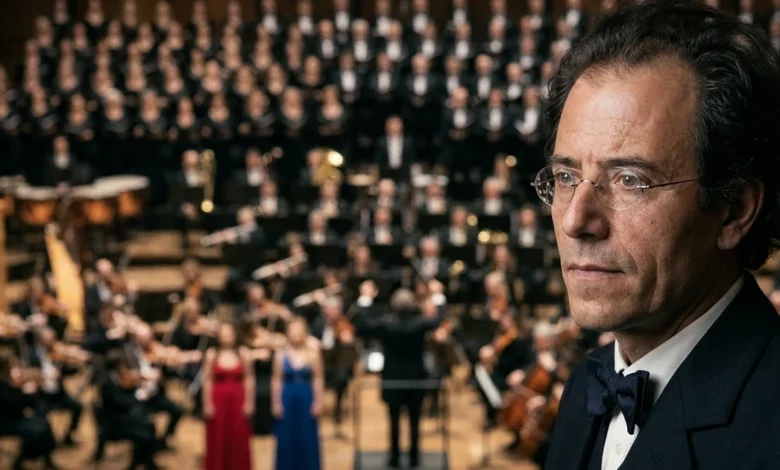
Gustav Mahler’s monumental Symphony No. 2 in C minor, widely celebrated as the “Resurrection” Symphony, stands as one of the most transformative, emotionally vast, and structurally ambitious works in the classical music canon. Spanning roughly 80 to 90 minutes and demanding a massive orchestral apparatus, a full chorus, and vocal soloists, the symphony bridges the immense philosophical divide between earthly mortality and divine redemption. The editorial team at The Classic Review has meticulously evaluated the sprawling recorded history of this masterpiece, curating a definitive list of the ten finest interpretations ever committed to tape or digital format.
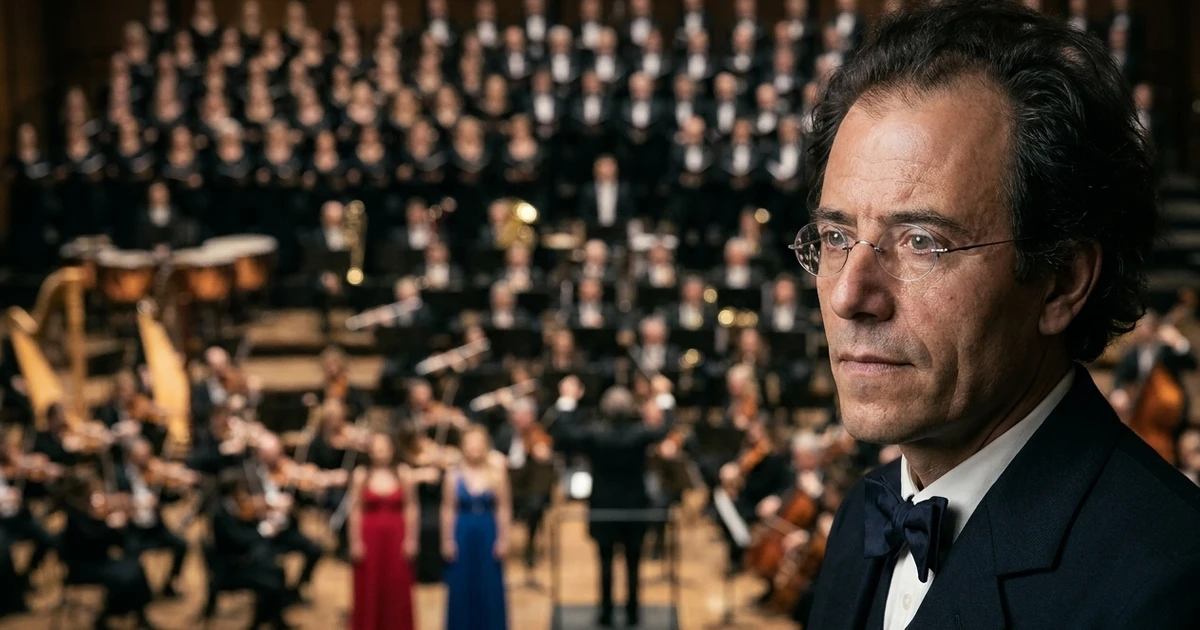
Genesis of a Masterpiece: From Totenfeier to Resurrection
The compositional history of Mahler’s Second Symphony is a tale of protracted inspiration, profound existential inquiry, and accidental artistic revelation. The journey began in 1888 in Leipzig, where Mahler completed the massive opening movement as an independent tone poem titled Totenfeier (“Funeral Rites”). This sprawling, tragic movement depicted the hero of his uncompleted Waldmärchen or, more broadly, humanity grappling with the ultimate finality of death.
For the next several years, Mahler wrestled with how to continue. The second and third movements—a gentle, nostalgic Andante and an intricate scherzo derived from his song about St. Anthony preaching to the fishes—were composed in Steinbach am Attersee in 1893. Yet, the overarching structural and spiritual solution for the grand finale eluded him.
The artistic breakthrough finally arrived in February 1894 during the funeral of the renowned conductor and composer Hans von Bülow. Sitting in the church, Mahler heard a choir perform Friedrich Klopstock’s immortal hymn Die Auferstehung (“The Resurrection”). The impact was instantaneous. Mahler later recalled that it struck him like a bolt of lightning, illuminating the exact emotional and architectural trajectory he needed for the symphony’s conclusion. He integrated Klopstock’s verses, appended original lines of his own to emphasize redemption and rebirth, and premiered the complete five-movement symphony in Berlin in December 1895.
Architectural Overview of the Symphony
Mahler’s Second Symphony broke traditional symphonic molds not only through its spiritual narrative but through its groundbreaking orchestration.
The work opens with the solemn Allegro maestoso, carrying forward the grim weight of the original Totenfeier. This is followed by a starkly contrasting, graceful Andante moderato that evokes an idealized, rustic country dance. The third movement introduces the whimsical yet deeply unsettling scherzo, featuring biting woodwinds and eerie orchestral textures. Movement four brings the introduction of the human voice via Urlicht (“Primal Light”), a deeply devotional, short alto song filled with childlike innocence and yearning.
The colossal fifth-movement finale acts as a panoramic canvas stretching from the terrifying chaos of the Last Judgment to the serene, ecstatic dawn of the resurrection. Here, Mahler expands the orchestra to its limits, deploying ten horns, ten trumpets, offstage brass units, an organ, a full choir, and both soprano and alto soloists. The result is a sonic cataclysm that challenges the acoustic capabilities of any concert hall.
The Definitive Discography: Ten Essential Interpretations
Navigating the vast recorded legacy of the “Resurrection” Symphony requires an appreciation of the varied philosophical approaches conductors have brought to the podium. Below are the ten landmark recordings selected by The Classic Review, representing distinct interpretive philosophies from stark severity to radiant lyricism.
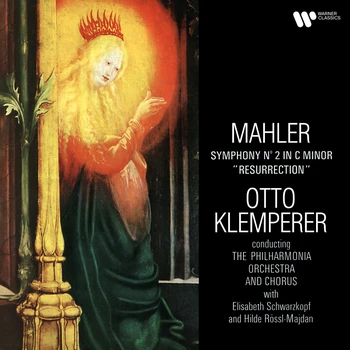
1. Philharmonia Orchestra, Otto Klemperer (1961–1962 Studio Recording)
Otto Klemperer’s association with Mahler was direct and historically profound; as a young man of twenty, he led the offstage brass band during a Berlin performance of this very symphony under the composer’s watchful eye. Klemperer’s 1961–1962 studio recording with the Philharmonia Orchestra remains an undisputed touchstone of the catalog. Refusing to soften the score’s inherent darkness, Klemperer constructs the work on an architectural, monumental scale. The third-movement scherzo is rendered with an unmatched sour, mocking bite, while the slow march of the finale moves with crushing gravity. For over six decades, this recording has served as a primary reference point for authenticity and structural integrity.
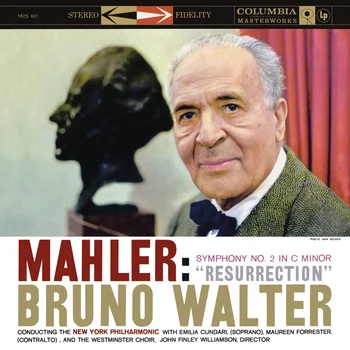
2. New York Philharmonic, Bruno Walter (1957–1958 Studio Recording)
In direct contrast to Klemperer’s severity, Bruno Walter approaches the score with profound warmth and lyrical empathy. Walter enjoyed an exceptionally close relationship with Mahler, serving as his assistant at the Vienna Court Opera and premiering both Das Lied von der Erde and the Ninth Symphony posthumously. Captured across 1957 and 1958 with the New York Philharmonic, Walter maintains a steady, organic pulse from the opening bars. Alto Maureen Forrester delivers Urlicht with simple, unforced devotion, and while the scherzo lacks some of the acerbic edge found elsewhere, Walter’s reading remains the quintessential choice for listeners seeking the work’s lyrical and human heart.
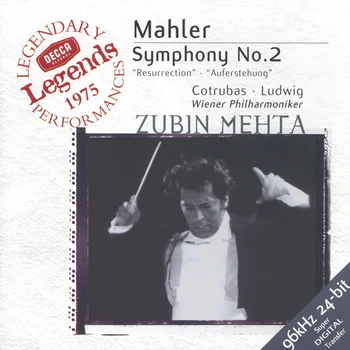
3. Vienna Philharmonic, Zubin Mehta (1975 Studio Recording)
Zubin Mehta infuses his 1975 Vienna Philharmonic recording with blazing theatricality, taking the opening movement at a true, driving Allegro. The legendary Viennese ensemble plays with tremendous energy, showcasing brilliant, razor-sharp brass work and the rich, conviction-laden tones of the Vienna State Opera Chorus. Despite a minor technical quirk in the finale—where the choir enters without the written pause following an orchestral silence—and moments where the recorded sound strains under peak dynamics, Mehta’s reading delivers unmitigated emotional force and directness.
4. New York Philharmonic, Leonard Bernstein (1987 Concert Recording)
Leonard Bernstein recorded the Second Symphony three times, but his 1987 live concert recording with the New York Philharmonic stands as his most personal, expansive, and intensely heated statement. Bernstein stretches expressive gestures to their absolute limits, occasionally flirting with mannerism. While the concert hall acoustics result in dry passages and unusual percussion balances, the sheer emotional commitment of the closing pages of the finale is staggering. It remains a towering testament to Bernstein’s lifelong advocacy for Mahler’s music.
5. City of Birmingham Symphony Orchestra, Simon Rattle (1986 Studio Recording)
Though Sir Simon Rattle has revisited the score multiple times in his career, his pioneering 1986 studio recording with the City of Birmingham Symphony Orchestra retains a special vitality. Captured without a live audience, the performance nonetheless pulses with the raw momentum of a concert event. Janet Baker contributes a reading of Urlicht characterized by deep, inward tenderness, and the gradual, whispered entrance of the chorus in the finale creates an atmosphere of breathtaking suspense.
6. London Philharmonic Orchestra, Klaus Tennstedt (1989 Live Recording)
Released posthumously in 2010 from a 1989 live performance, Klaus Tennstedt’s interpretation surpasses his earlier commercial studio effort in sheer daring and intensity. Tennstedt is unafraid of extremes: some first-movement tempos are heavily stretched, allowing lyrical episodes to dilate before bursting forth with ferocious, untamed energy. This high-risk approach culminates in a massive, triumphant finale crowned by thunderous organ work that justifies every interpretive gamble taken along the way.
7. London Philharmonic Orchestra, Vladimir Jurowski (2009 Live Recording)
Vladimir Jurowski’s 2009 live traversal with the London Philharmonic offers a leaner, faster, and intellectually stimulating counter-narrative to Tennstedt’s monumentalism. Jurowski introduces innovative micro-pauses before the ferocious outbursts in the scherzo, generating an unsettling yet brilliant dramatic effect. While the brisk pace occasionally presses the opening movement close to the edge of haste, the intimate warmth of the final choral movement offers seasoned Mahler enthusiasts a refreshing, highly original perspective.
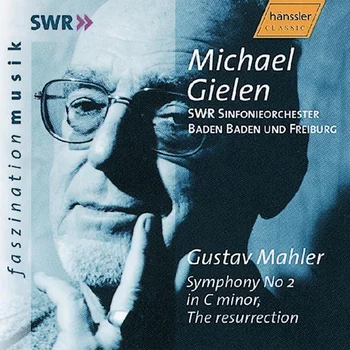
8. SWR Symphony Orchestra Baden-Baden and Freiburg, Michael Gielen (1996 Recording)
For listeners prioritizing absolute transparency of texture, Michael Gielen’s 1996 recording with the SWR Symphony Orchestra is a masterclass in clarity. By seating the first and second violins on opposite sides of the podium, Gielen lays bare the intricate counterpoint and antiphonal exchanges of Mahler’s writing. Eschewing romantic excess in favor of analytical precision, Gielen secures remarkably focused choral work and delivers a reading where every strand of the massive orchestration remains audible.
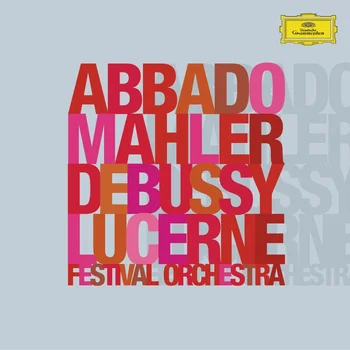
9. Lucerne Festival Orchestra, Claudio Abbado (2003 Concert Recording)
Claudio Abbado’s 2003 Lucerne Festival performance represents the culmination of his lifelong engagement with the symphony. Conducting a hand-picked assembly of elite European orchestral musicians, Abbado commands astonishingly controlled pianissimos that charge the atmosphere with tension. Despite a few balance anomalies in the sound design—where strings occasionally sit too forward relative to the distant horns—this performance achieves a rare plateau of refinement and spiritual resonance.
10. Budapest Festival Orchestra, Iván Fischer (2005 Recording)
Iván Fischer’s 2005 recording with the Budapest Festival Orchestra leans closer to the lyrical warmth of Bruno Walter than the stark architecture of Klemperer. Fischer deliberately holds back the initial momentum of the opening movement, allowing the canvas to expand organically before igniting into full power. Benefiting from what is arguably the finest engineering on this list, the recording captures the dynamic spectrum from absolute silence to cataclysmic climaxes with pristine fidelity, culminating in a devastatingly powerful finale.
Analytical Implications and Modern Accessibility
The enduring appeal of Mahler’s Second Symphony lies in its ability to reflect the psychological and spiritual preoccupations of whoever stands on the podium. Whether viewed through the existential lens of Klemperer’s stark tragedy, the radiant humanity of Walter, or the analytical clarity of Gielen, the work continues to serve as an ultimate proving ground for conductors and orchestras alike.
For contemporary listeners, exploring these diverse interpretations has never been more accessible. Major classical releases, including the titles curated by The Classic Review, are readily available for streaming and high-resolution listening through digital platforms such as Apple Music Classical and specialized retailers like Presto Music, ensuring that Mahler’s grand vision of resurrection continues to captivate global audiences well into the twenty-first century.