Navigating the Labyrinth of Music Royalties: A Comprehensive Analysis of the Mogul Platform and the State of Independent Music Income

The modern music industry presents artists with a paradoxical reality. Never before has it been easier to record a track, distribute it globally, and accumulate millions of digital streams. Yet, despite these technological advancements, the underlying infrastructure governing music royalties remains notoriously fractured, complex, and difficult to navigate. Independent creators often find themselves losing significant revenue not due to a lack of talent or audience engagement, but because of systemic leaks within the multi-tiered global collection apparatus.
Even veteran managers and educators who specialize in copyright registration frequently discover unaccounted-for funds trapped within various collection societies, digital service providers (DSPs), and mechanical rights organizations. This persistent industry-wide friction has catalyzed the development of specialized technological solutions designed to audit, aggregate, and recover lost income. Among the emerging tools addressing this systemic issue is Mogul, a royalty collection and administration platform founded by industry veteran Jeff Ponchick. This analysis examines the mechanics of music royalty collection, the persistent leakage affecting independent artists, and how automated auditing platforms are reshaping the financial operations of the modern music business.
The Anatomy of Royalty Leakage in the Modern Music Ecosystem
To understand why even meticulously managed artist catalogs experience missing revenue, one must examine the labyrinthine pathways through which music royalties flow. When a track is streamed, performed, or broadcasted, revenue is theoretically generated across multiple distinct streams: master recording royalties, performance royalties, and mechanical royalties. Each of these streams is overseen by a different entity, ranging from digital distributors like DistroKid or TuneCore to Performing Rights Organizations (PROs) such as ASCAP and BMI, collective management organizations (CMOs), and mechanical licensing entities like The Mechanical Licensing Collective (MLC).
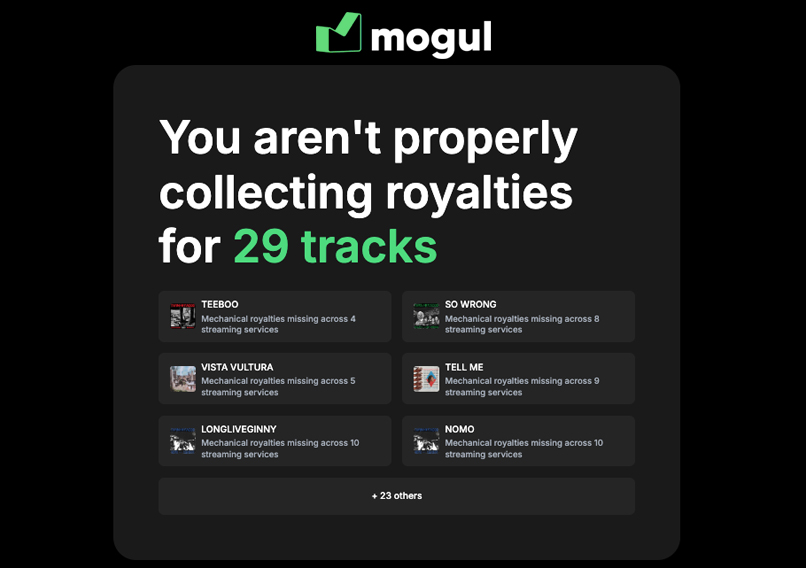
For an artist to capture 100% of their rightful earnings, every single composition and sound recording must be flawlessly registered across all domestic and international databases with matching metadata, International Standard Recording Codes (ISRCs), and International Standard Musical Work Codes (ISWCs). A single typographical error in a songwriter’s name, a mismatched split percentage, or an unregistered territory can cause royalties to sit in suspense accounts or be misallocated as "black box" revenue—funds that ultimately get distributed proportionally to major rights holders rather than the rightful creators.
Industry experts note that royalty leakage is particularly acute for independent artists who lack the dedicated business management teams typical of major-label acts. Even when creators execute proper registrations during an initial release cycle, subsequent updates, international sub-publishing shifts, and gaps between digital distribution and PRO data integration frequently create blind spots. Consequently, artists with modest streaming figures often find hundreds—if not thousands—of dollars slipping through the cracks, prompting the search for automated verification tools.
The Emergence of Automated Audit and Collection Platforms
Mogul enters this landscape as an infrastructure layer designed to bridge the data silos separating digital distributors, PROs, and publishing administrators. Founded by Jeff Ponchick—who previously established Repost Network before its acquisition by SoundCloud—Mogul aims to streamline the tedious process of catalog auditing and recovery.
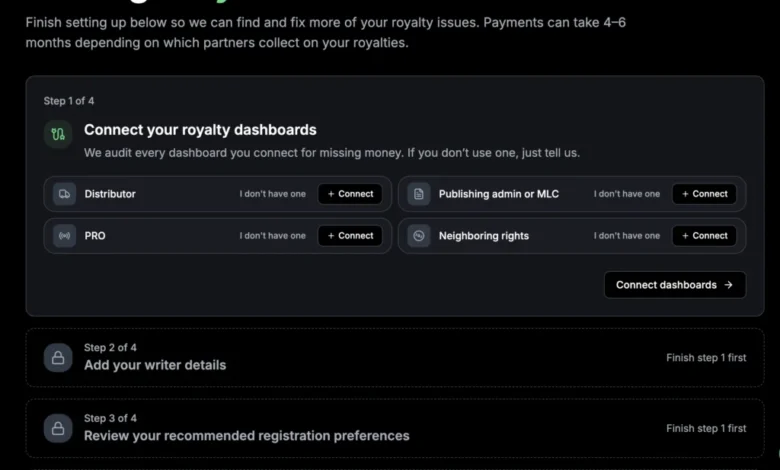
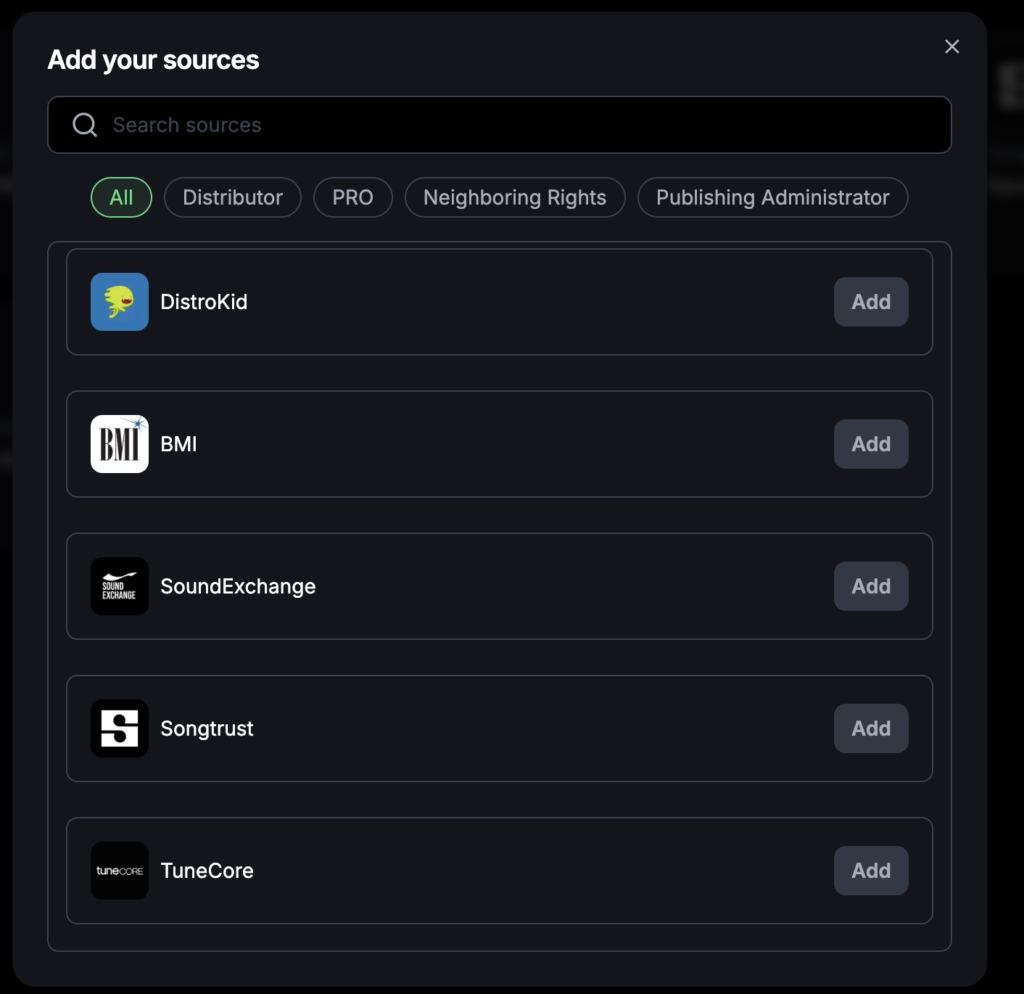
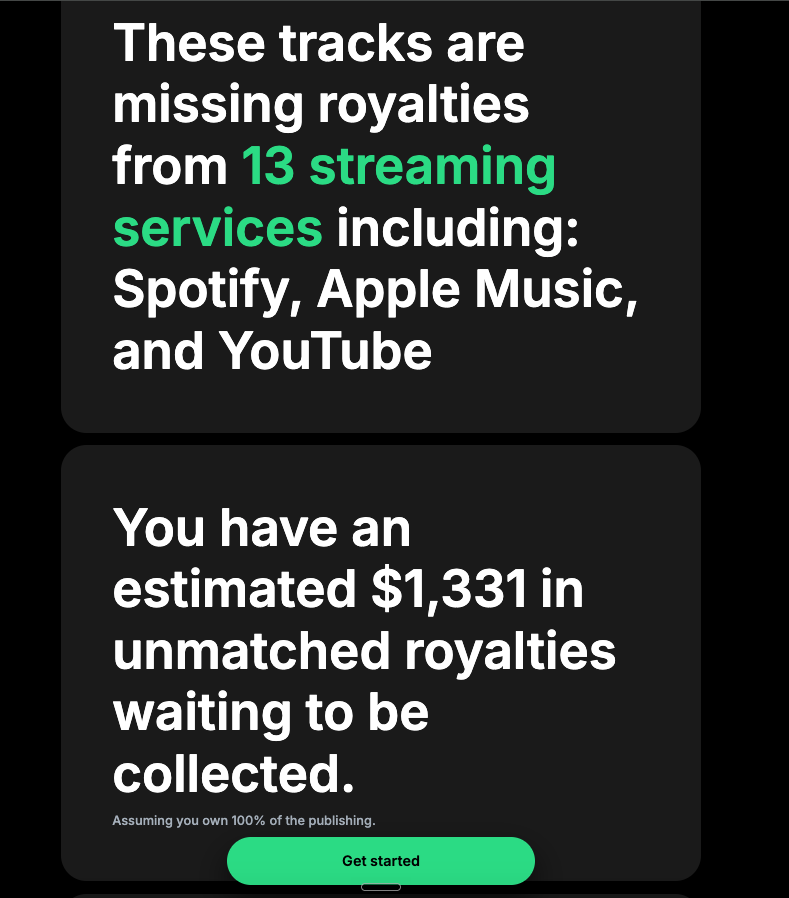
The platform operates on a diagnostic-first model. Independent creators and managers connect their existing digital distribution accounts, PRO affiliations, and collection source data to the platform. Mogul’s software then executes an automated audit across these disparate networks to identify discrepancies, missing registrations, and uncollected balances.
Beyond mere auditing, the platform incorporates automated integration features. By allowing users to log into various publishing administrators, neighboring rights organizations, and collection societies directly through its interface, Mogul attempts to synchronize metadata across platforms. For instances where direct API integration is unavailable, manual data ingestion options are provided. Furthermore, the platform offers a publishing administration service operating on a zero-commission model for domestic and international collections, utilizing established global networks like Mint Services to recover mechanical and performance royalties outside the United States.
Evaluating the Feature Set: Distribution, Publishing, and Concierge Services
While Mogul’s core strength lies in royalty auditing and collection recovery, its expansion into digital distribution and catalog valuation presents a mixed value proposition for working musicians and management professionals.
In the realm of digital distribution, Mogul provides a pathway to deliver music to major DSPs such as Spotify and Apple Music under a zero-commission structure, utilizing Audiosalad as its underlying distribution infrastructure. However, industry analysts and artist managers have pointed out notable feature gaps compared to established legacy distributors. Crucial tools for modern marketing and monetization—such as integrated lyrics distribution, Spotify Discovery Mode compatibility, complex payment splitting among multiple collaborators, and TikTok sound timestamping—are currently absent from Mogul’s distribution tier. Furthermore, the platform’s free distribution tier raises sustainability questions within the broader industry, as platforms offering zero-cost distribution historically struggle to manage infrastructure and support costs once overwhelmed by automated traffic, spam, and AI-generated content.
Conversely, Mogul’s administrative and management tiers address distinct operational burdens for high-earning catalogs. For an ongoing subscription fee, the platform offers a comprehensive publishing administration service that bypasses the traditional 10% to 15% commission model standard among legacy publishers. Additionally, for catalogs generating substantial revenue or preparing for potential acquisition, Mogul provides a concierge and catalog valuation service. This tier functions similarly to a fractional business manager, offering deep-dive financial analysis, valuation metrics for prospective catalog sales, and advanced royalty recovery services for mismanaged repertoires.

Industry Implications and Future Outlook
The introduction of automated audit and recovery platforms signals a broader structural shift within the independent music sector. As barriers to music creation and distribution continue to fall, the primary competitive advantage for independent artists is no longer just audience acquisition, but financial hygiene and data integrity.
Platforms like Mogul highlight the growing necessity for technological interventions in an industry historically plagued by opacity. By transforming manual, labor-intensive administrative tasks into automated background processes, these tools reduce the administrative overhead that has traditionally disadvantaged independent creators relative to institutional rights holders.
However, challenges remain regarding workflow integration, particularly for artist managers overseeing diverse rosters. While individual tier pricing suits solo creators, artist managers handling multiple clients at varying stages of career development often require flexible, scalable enterprise licensing models that can accommodate mixed portfolios without imposing prohibitive per-artist overhead.

As the digital infrastructure of the music business continues to evolve, the success of platforms like Mogul will depend on their ability to close feature gaps, expand global collection partnerships, and maintain transparency in an increasingly automated ecosystem. For independent musicians and their representatives, the imperative moving forward is clear: leveraging data-driven auditing tools is no longer an optional luxury, but a fundamental prerequisite for financial survival in the modern streaming economy.