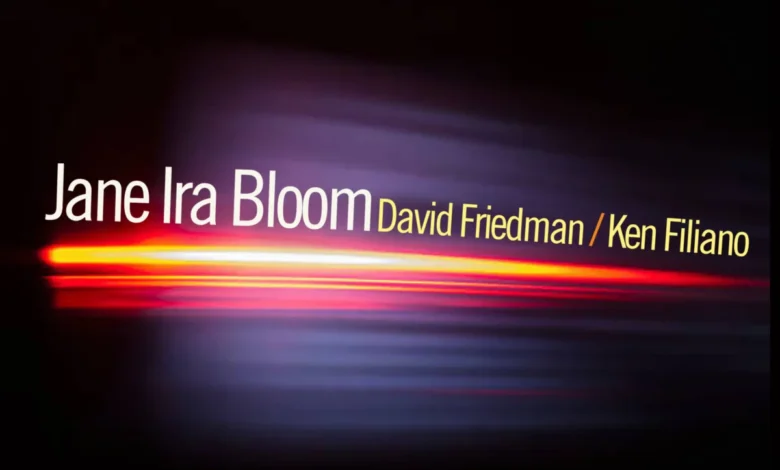
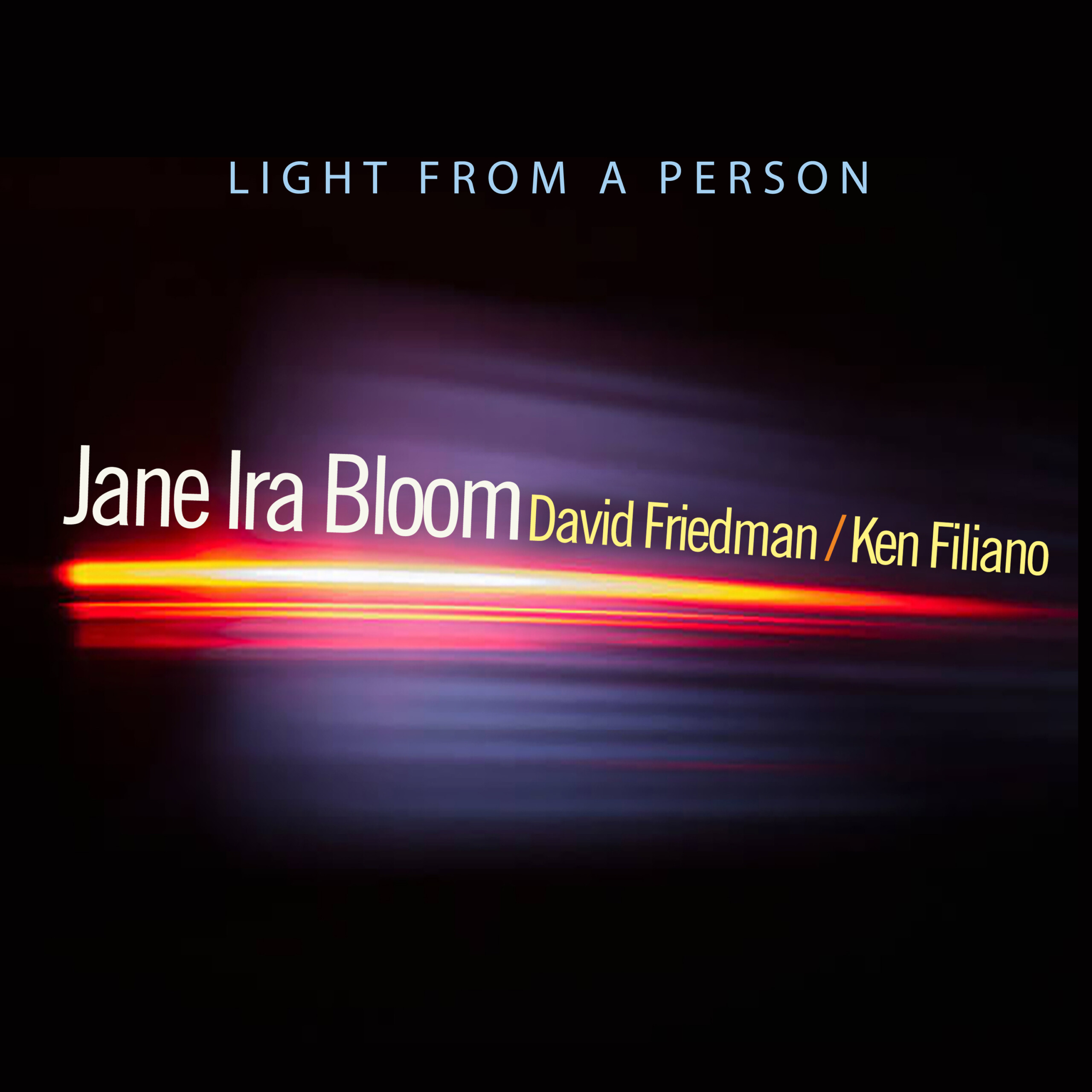
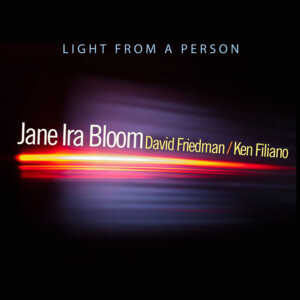
Soprano saxophonist and composer Jane Ira Bloom has marked a significant milestone in her illustrious career with the release of her latest studio album, Light From a Person. The project represents a poignant professional homecoming, as it reunites Bloom with vibraphonist David Friedman, a long-time collaborator with whom she first shared the stage and recording studio more than 45 years ago. The trio, which includes bassist Ken Filiano, recorded the ten-track collection at the Clive Davis Institute in Brooklyn, New York. This release serves as both a testament to the enduring nature of artistic partnerships and an exploration of the sax-vibes-bass trio configuration, a format Bloom has returned to repeatedly throughout her discography due to its unique sonic transparency and structural flexibility.
A Chronology of Collaboration
The professional relationship between Jane Ira Bloom and David Friedman dates back to the late 1970s, a period when both musicians were carving out influential niches within the modern jazz landscape. Their early sessions established a creative rapport defined by an ability to navigate complex improvisational spaces without the need for a traditional rhythm section, such as drums or piano. Over the ensuing four decades, their paths diverged; Friedman relocated to Berlin, Germany, where he became a cornerstone of the European jazz scene, while Bloom remained a central figure in the New York City experimental and straight-ahead jazz communities.
Despite the geographic distance and the decades that separated their most recent projects, the decision to reunite was driven by a shared desire to capture a specific, spontaneous energy. The recording sessions at the Clive Davis Institute were characterized by a lack of extensive rehearsal, a deliberate choice by the musicians to prioritize raw, immediate musical interaction over meticulous pre-planning. Bloom has characterized this approach as a commitment to "just recording what feels good," relying on the deep-seated, intuitive trust built over their 45-year history. This methodology allowed for a level of interplay that, according to early critical reception, belies the time elapsed since their last collaborative effort.
The Sonic Architecture of Light From a Person
At the heart of the album is the ballad "White Tower," a piece that exemplifies the synergy between Bloom, Friedman, and Filiano. In discussions regarding the composition, Bloom has described "White Tower" as a "simple, folk-like song." Her execution of the melody is notably unadorned, emphasizing the lyrical and melancholy qualities of the soprano saxophone. The arrangement highlights the unique instrumental roles within the trio: Friedman’s vibraphone provides a chiming, resonant harmonic texture that frequently engages in a call-and-response dialogue with the saxophone, while Filiano’s bass work provides a foundational yet melodic pulse.
The recording process for the album was designed with a focus on high-fidelity audio engineering. Collaborating with specialists Jim Anderson and Ulrike Schwarz, the trio ensured that the acoustic nuances of the performance were preserved. The project was explicitly conceived and performed for the experiences of surround-sound listening, captured in high-definition stereo and immersive audio formats. This technical rigor suggests an intentional effort to provide listeners with a spatial experience that mirrors the intimate, live-room energy of the Brooklyn sessions. By making the album available in both standard digital and immersive formats, the artists aim to bridge the gap between traditional jazz performance and contemporary audio technology.
The Significance of the Sax-Vibes-Bass Format
The sax-vibes-bass trio is a historically challenging configuration in jazz. Without a percussionist to define the tempo or a piano to fill out the harmonic spectrum, the burden of rhythmic and harmonic responsibility is distributed equally among the three players. For Bloom, this format is not merely a stylistic choice but a compositional tool. It forces a heightened level of listening and responsiveness, as there is no "safety net" provided by a standard rhythm section.
Fact-based analysis of the configuration reveals that it requires a high degree of technical proficiency. The vibraphone, with its sustain and metallic timbre, must be played with enough rhythmic precision to drive the momentum, while the bass must act as both a melodic and percussive instrument. Filiano, a veteran bassist known for his work in avant-garde and mainstream jazz, provides the necessary agility to support both Bloom’s soaring soprano lines and Friedman’s intricate mallet work. This configuration effectively highlights the "conversation" aspect of jazz, where the silences are as important as the notes played.
Industry Context and Modern Jazz Trends
The release of Light From a Person comes at a time when the jazz industry is experiencing a resurgence in interest regarding high-fidelity, small-ensemble recordings. As streaming platforms have become the primary consumption method for music, there has been a secondary, growing movement among audiophiles and jazz enthusiasts toward immersive audio and high-resolution digital releases. The involvement of renowned engineers like Anderson and Schwarz positions the album as a premium product within this niche market.
Furthermore, the "reunion" narrative is a recurring theme in the jazz world, often serving as a catalyst for renewed public interest in established artists. However, unlike projects that rely on nostalgia, Bloom and Friedman’s collaboration is rooted in the progression of their individual styles over the last 45 years. Friedman’s time in Europe, heavily influenced by the contemporary classical and European jazz traditions, combined with Bloom’s long-standing exploration of the soprano saxophone’s sonic limits, creates a synthesis that feels modern rather than retrospective.
Implications for the Trio
The success of this recording underscores a broader trend of "agile collaboration" in the post-pandemic jazz environment. Musicians are increasingly opting for lean, high-trust ensembles that can be assembled with minimal logistical overhead but maximum creative output. The ability of the trio to produce ten tracks of cohesive, high-quality music with minimal rehearsal time is a testament to the maturity of the musicians involved. It suggests that for established artists, the "rehearsal" occurs over the course of a career rather than in a studio prep room.
From a commercial perspective, the album’s availability in both standard and immersive formats reflects the industry’s shift toward catering to varying levels of listener engagement. By providing an immersive audio experience, Bloom and her collaborators are inviting the listener into the physical space of the Clive Davis Institute, moving beyond the traditional "flat" recording experience to something that feels more akin to a private performance.
Future Outlook
As Jane Ira Bloom continues to promote Light From a Person, the focus remains on the longevity of her creative partnerships and the ongoing evolution of the soprano saxophone as a lead voice in jazz. The reunion with David Friedman acts as a bridge between the past and present, offering listeners a glimpse into a musical relationship that has survived the test of time, distance, and changing industry tides.
The impact of this release extends to the pedagogical and archival work of the Clive Davis Institute, where the session took place. By documenting such high-level improvisation in a controlled, academic environment, the project serves as a case study for future generations of jazz musicians on the importance of listening, the potential of the trio format, and the critical role of sound engineering in the preservation of spontaneous musical moments.
In summary, Light From a Person is a focused, intentional work that avoids the common pitfalls of collaborative jazz records—namely, over-production and lack of thematic cohesion. Through the careful balance of Bloom’s lyrical composition, Friedman’s resonant vibraphone, and Filiano’s elegant bass lines, the trio has produced a record that feels both timeless and perfectly suited to the current demands of the jazz listening experience. The album stands as a definitive statement from a veteran artist who remains committed to the exploration of sound, space, and the enduring power of the musical conversation.