The Paradox of Scale: Assessing the Logistical and Artistic Challenges of Shanghai’s Global Opera Showcase

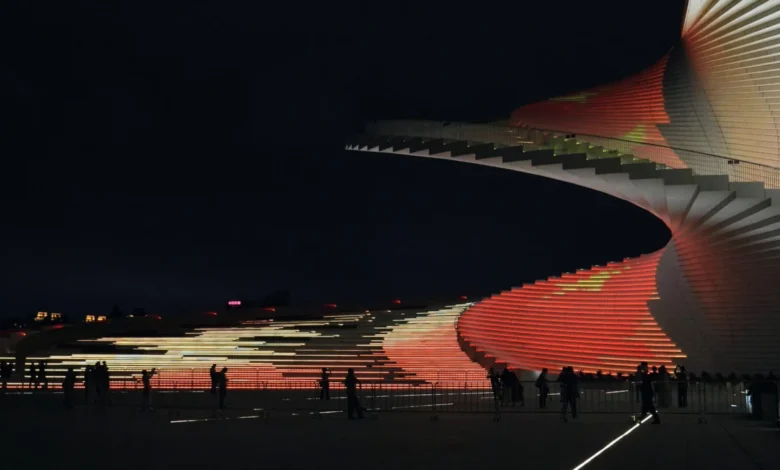
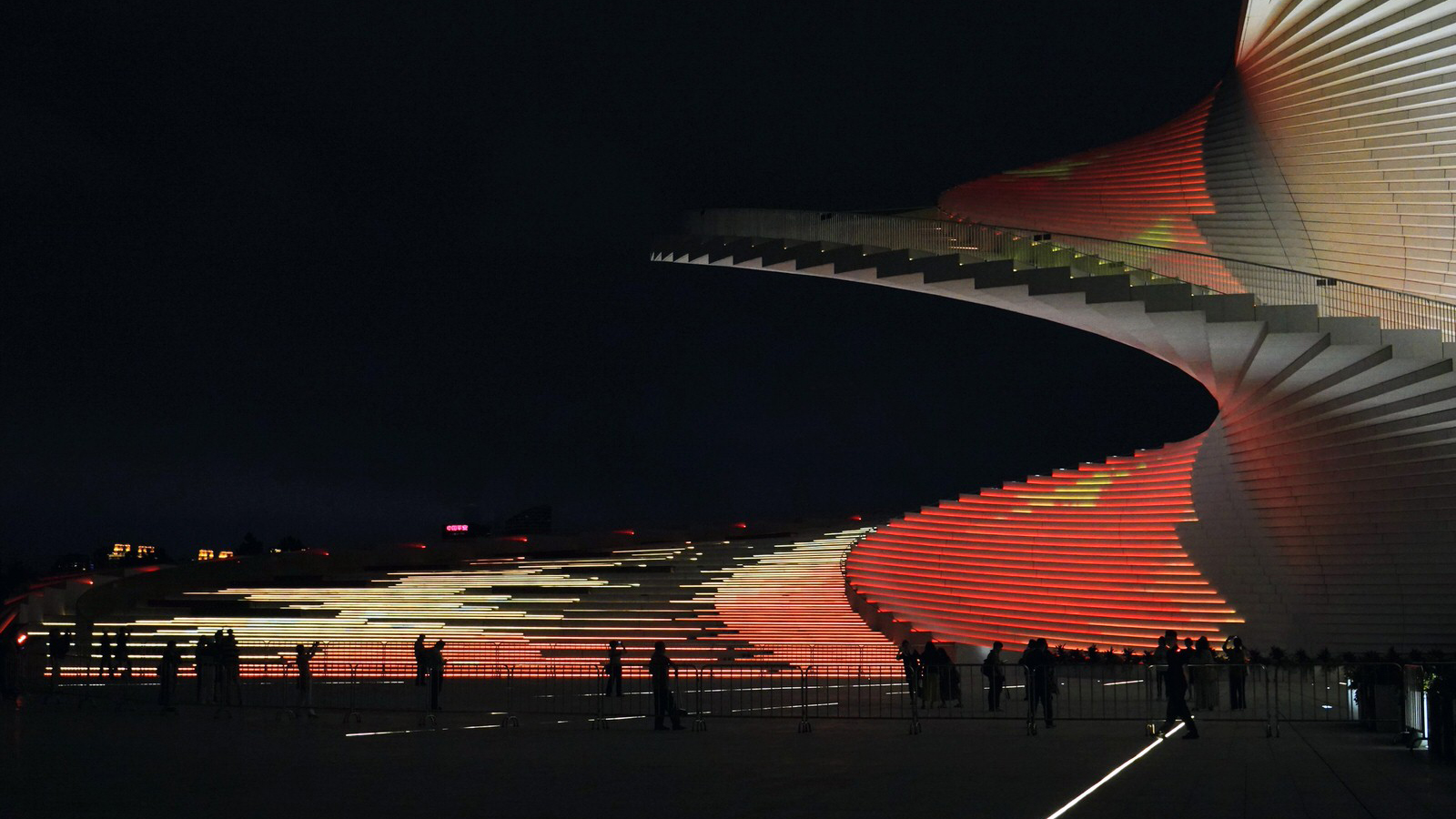
The rapid consolidation of international operatic masterworks into a single venue over a condensed timeframe represents a significant shift in the global performing arts landscape. When institutions of the stature of Venice’s La Fenice, the Mariinsky Theatre, and the Staatsoper Unter den Linden are presented in succession on a single stage within a month, the logistical undertaking transcends traditional touring. This phenomenon, currently unfolding in Shanghai, mirrors the high-density programming strategies seen at festivals like Lucerne or the anniversary celebrations of Hamburg’s Elbphilharmonie. However, the sheer mechanical, financial, and human resource requirements of such an endeavor necessitate a critical examination of the sustainability of this model in the modern era of global culture.
The Evolution of the Touring Opera Model
Historically, grand opera companies functioned as self-contained ecosystems. A production of Verdi’s "Aida" or Strauss’s "Der Rosenkavalier" was designed for a specific house, utilizing custom-built stage machinery, acoustics, and labor forces that were often geographically locked. The transition toward a "global circuit" began in earnest in the late 20th century, but the scale observed in Shanghai today marks a departure from standard international guest performances.
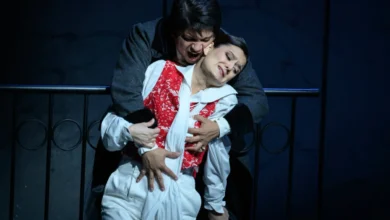
Previously, a major opera house might send a touring production once or twice a year, accompanied by a skeleton crew. Today’s model requires the total transplantation of entire technical departments, lighting rigs, specialized orchestral seating, and vast costume inventories. The logistical synchronization required to move "Tosca" from Italy to China, followed immediately by the arrival of Russian or German ensembles, involves a complex web of shipping containers, customs clearance for delicate stage equipment, and the rapid reconfiguration of the host venue’s internal mechanics.
Chronology of the Shanghai Cultural Convergence
The current series of events in Shanghai reflects a deliberate effort to position the city as a nexus for global high art. The timeline of this high-intensity season can be broken down into three distinct operational phases:
- Phase One: Site Preparation and Technical Integration. Weeks prior to the arrival of the first international company, the Shanghai venue underwent a systematic recalibration. This involved synchronizing the digital stage-management software with the incoming production files from European houses to ensure that lighting cues and hydraulic stage lifts were compatible with the host facility’s infrastructure.
- Phase Two: The Rapid-Rotation Cycle. Over a thirty-day window, the stage underwent a "carousel" of changeovers. Each transition required the teardown of one grand-scale production and the installation of the next within a 48-to-72-hour window. This timeframe is significantly shorter than the industry standard for major productions, placing immense pressure on the technical crew.
- Phase Three: Artistic Synthesis and Audience Reception. The final phase involves the integration of local auxiliary staff—supers, stagehands, and local administrative support—with the visiting artistic directors and primary casts. This phase highlights the challenges of linguistic and cultural barriers, as well as the need for rapid rehearsals in an unfamiliar acoustic environment.
Economic and Logistical Data Points
To comprehend the magnitude of this operation, one must look at the quantitative requirements. Moving a single major opera production of the caliber of the Mariinsky’s repertoire typically requires between 15 and 25 standard 40-foot shipping containers. Multiplying this by the three aforementioned companies, the logistics chain involves:

- Freight Volume: Approximately 60 to 75 containers of specialized sets and props.
- Personnel Movements: The transit and accommodation of over 500 performers, musicians, and technical staff members across three distinct production teams.
- Customs and Regulatory Compliance: The navigation of international cultural exchange permits, which are often subject to strict import-export regulations concerning specialized stage materials, historical costumes, and rare musical instruments.
Financial disclosures regarding these types of mega-tours are rarely public, but industry analysts estimate that the insurance premiums alone—covering the risk of damage to elaborate sets during transit—account for nearly 10% of the total production budget. Furthermore, the energy costs required to maintain the climate-controlled environments necessary to protect these assets during transit and staging represent a significant, if often overlooked, environmental footprint.
Perspectives from the Industry
While official statements from the involved opera houses emphasize the prestige and the "cultural diplomacy" of these tours, critics and technical directors point to the risks of burnout. In conversations with stage technicians familiar with the Shanghai circuit, a common theme emerges: the "Festivalization" of opera. By prioritizing quantity and the "wow factor" of a high-density schedule, there is a risk that the intrinsic quality of the performance—the nuance of the rehearsal process—may be sacrificed.
"When you are in a cycle of constant load-in and load-out, the stage becomes a factory floor rather than a temple of art," notes one industry consultant specializing in international theater management. "The challenge is ensuring that the audience receives the same level of artistic excellence that they would in the home house, despite the fact that the company has had only two days to adapt to a stage that is physically different from their own."

Broader Implications and Future Outlook
The Shanghai model offers a glimpse into a potential future where the "home house" becomes less relevant than the "global venue." As cities in Asia and the Middle East continue to invest in state-of-the-art concert halls and opera houses, the demand for imported productions will likely increase. This creates a dual-track system:
- The Rise of the "Nomadic" Production: Future productions may be designed from the outset to be "tour-ready," modular, and easily assembled, moving away from the heavy, site-specific sets that define the traditional European repertoire.
- Sustainability Concerns: The environmental impact of flying entire orchestras and massive, heavy sets across the globe is coming under increased scrutiny. Future iterations of this model may need to rely on digital augmentation, such as high-definition projection mapping, to replace physical sets, thereby reducing the carbon footprint of these international exchanges.
Conclusion
The convergence of global opera houses in Shanghai serves as a profound test of modern logistics and artistic resilience. It is an impressive feat of coordination, signaling that the global appetite for classical performance remains robust even in an era of digital alternatives. However, the sustainability of this model—both in terms of financial cost and human endurance—remains to be seen. As the industry moves forward, the success of such endeavors will depend on whether organizers can find a balance between the spectacular nature of these "event-based" seasons and the meticulous, slow-growth traditions that have sustained grand opera for centuries. The Shanghai experiment is not merely a series of performances; it is a blueprint for the future of international cultural exchange, for better or for worse.