Rachael Pazdan Appointed as First Executive Director of Music for New York City

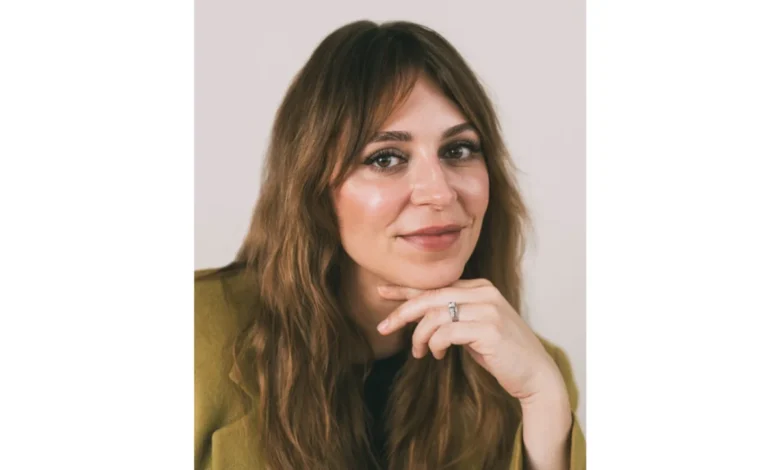
The New York City Mayor’s Office of Media and Entertainment (MOME) has officially appointed Rachael Pazdan to the newly created position of Executive Director of Music. This strategic hire marks a significant milestone in the city’s ongoing efforts to formalize support for the local music economy, establishing a direct bridge between government policy and the diverse, multi-billion-dollar music industry that serves as a cornerstone of New York City’s cultural identity. Reporting directly to Rafael Espinal, the Commissioner of MOME, Pazdan is tasked with overseeing a comprehensive portfolio of initiatives aimed at fostering artistic growth, streamlining regulatory hurdles for live performance, and integrating music education into professional pathways for the next generation of New Yorkers.
A New Strategic Vision for NYC Music
The creation of the Executive Director of Music role reflects a broader, systemic shift in how municipal governments view the creative arts. In recent years, New York City has faced increasing pressure to address the erosion of independent venues, the rising costs of rehearsal spaces, and the logistical complexities of staging live performances in a dense urban environment. By consolidating oversight under a dedicated executive, the city aims to transition from passive regulation to active support.
Commissioner Rafael Espinal, in an official statement following the announcement, emphasized that the city’s global reputation as a musical powerhouse must be matched by its commitment to the practitioners themselves. "New York City has shaped the sound of music for generations," Espinal noted. "But being a great city for music should also mean being a great city for the people who make it. That’s why building our music portfolio is a priority for me. Rachael Pazdan brings the experience and relationships to help us get it right."
The mandate for the position is multifaceted. Pazdan is expected to prioritize three primary pillars: simplifying the permitting and logistical framework for live performances across all five boroughs, scaling economic opportunities for local artists, and fostering partnerships that connect young, aspiring musicians with sustainable career paths in production, management, and performance.
Professional Background and Industry Expertise
Pazdan’s appointment is widely viewed as a "practitioner-led" hire, given her extensive tenure within the city’s independent music circuit. Before joining the public sector, Pazdan built a robust reputation as a creative strategist and booker. Her work with the indie promoter AdHoc transformed the company from a grassroots event organizer into a full-service creative agency. During her time there, she managed high-profile projects for major institutional clients, including Bryant Park, the digital media outlet Pitchfork, the American Association of Independent Music (A2IM), and the social music platform BandLab.
Her experience extends beyond corporate strategy into the trenches of live event production. Pazdan has been a key figure in booking and talent management for several of New York’s most influential independent venues, including Public Records in Brooklyn, The Bell House, and the historic Le Poisson Rouge. Furthermore, her work on the short-form docuseries Stories from the Stage—which documented the existential challenges faced by independent venues and promoters during the height of the COVID-19 pandemic—demonstrated her commitment to preserving the city’s cultural infrastructure during times of crisis.
Chronology of the NYC Music Initiative
The appointment of an Executive Director comes on the heels of a decade of incremental policy development aimed at supporting the arts. The trajectory of this institutional support can be traced through several key benchmarks:

- 2017: The inaugural launch of "New York Music Month," a city-wide initiative designed to highlight the economic and cultural impact of the local music scene.
- 2018–2020: Expansion of MOME’s programs, including the introduction of free, professional-grade rehearsal spaces to combat the city’s acute shortage of affordable creative studios.
- 2021–2025: Gradual development of digital and production-focused resources, culminating in the launch of the Music Production Bootcamp, which provides technical training for underrepresented youth.
- 2026: The formalization of the executive role to oversee the integration of these disparate programs under a unified municipal strategy, aligning with Mayor Zohran Mamdani’s broader urban agenda to increase public access to arts and entertainment.
Supporting Data and Economic Impact
The necessity of this role is underpinned by the massive economic footprint of the New York City music sector. According to previous MOME impact reports, the music industry in New York City generates billions of dollars in annual economic activity, supporting tens of thousands of jobs ranging from sound engineering and venue management to music journalism and performance.
New York Music Month alone has become a vital catalyst for the industry. Since its inception, the program has evolved from a series of concerts into a comprehensive resource hub. Statistics indicate that the program has hosted dozens of educational talks and industry conferences, facilitating networking opportunities for thousands of professionals. Perhaps most notably, the free rehearsal series has provided over 2,000 hours of space across four dedicated locations, a critical intervention in a city where real estate costs frequently threaten the viability of independent rehearsals.
Broader Implications for the Urban Creative Economy
The decision to bring in a leader with deep ties to the independent sector signals a shift toward a more grassroots-focused municipal policy. In many global cities, the "night-time economy" is often treated as an afterthought, governed by noise ordinances and zoning restrictions rather than developmental support. By integrating someone with Pazdan’s specific background, the Mayor’s Office is signaling that it intends to treat the city’s music venues as essential infrastructure—akin to libraries, parks, or public transportation.
The implications of this move are significant for both the city’s regulatory landscape and its cultural future. If successful, the office will likely work to streamline the bureaucratic processes required for "pop-up" shows and outdoor performances, which are currently hampered by complex permitting hurdles. Furthermore, by linking the government’s muscle to educational initiatives like the Music Production Bootcamp, the city is attempting to ensure that the economic benefits of the industry are distributed more equitably, rather than being concentrated solely within the established commercial sector.
Analysis of Future Challenges
While the appointment of an Executive Director is a positive step, the role faces significant headwinds. Rising commercial rents in Manhattan and parts of Brooklyn continue to jeopardize the existence of "legacy" venues that provide the lifeblood for new talent. Additionally, balancing the needs of local residents with the noise and traffic associated with a vibrant nightlife remains a delicate policy tightrope.
Pazdan’s success will likely be measured by her ability to negotiate these tensions. Observers note that her prior experience working with independent promoters gives her a distinct advantage: she understands the thin profit margins and logistical constraints that venue owners face daily. Her tenure will likely focus on "protecting the pipeline"—ensuring that artists can afford to live and work in the city, that venues have the regulatory support to survive, and that the city remains the primary destination for global talent.
As Mayor Mamdani’s administration looks to cement its legacy regarding cultural preservation, the collaboration between Commissioner Espinal and Executive Director Pazdan will be closely watched. If the city can successfully codify support for the independent scene while fostering new talent, it may provide a blueprint for other global hubs struggling to maintain their cultural vitality in an increasingly digitized and expensive world. For now, the appointment stands as a clear declaration: New York City is committed to maintaining its status not just as a consumer of music, but as the premier incubator for the next generation of global sound.
Related posts: