The Comprehensive Guide to Independent Music Distribution in 2026: Comparing the Top Digital Distributors for DIY Artists

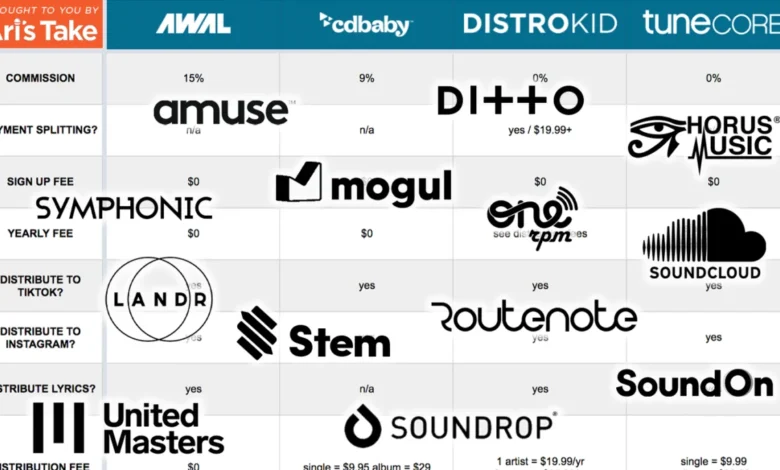
The landscape of independent music distribution has undergone a massive transformation over the past decade, shifting away from expensive, gatekept legacy structures toward highly automated, subscription-based models. For DIY musicians looking to get their sound onto major Digital Service Providers (DSPs) such as Spotify, Apple Music, Amazon Music, TikTok, and Instagram, choosing the right digital distributor is one of the most critical career decisions they can make. Because artists can only use a single distributor per unique release—though they are free to use multiple distributors across different releases—selecting a platform requires a granular analysis of upfront fees, commission structures, royalty reporting clarity, and ancillary artist services.
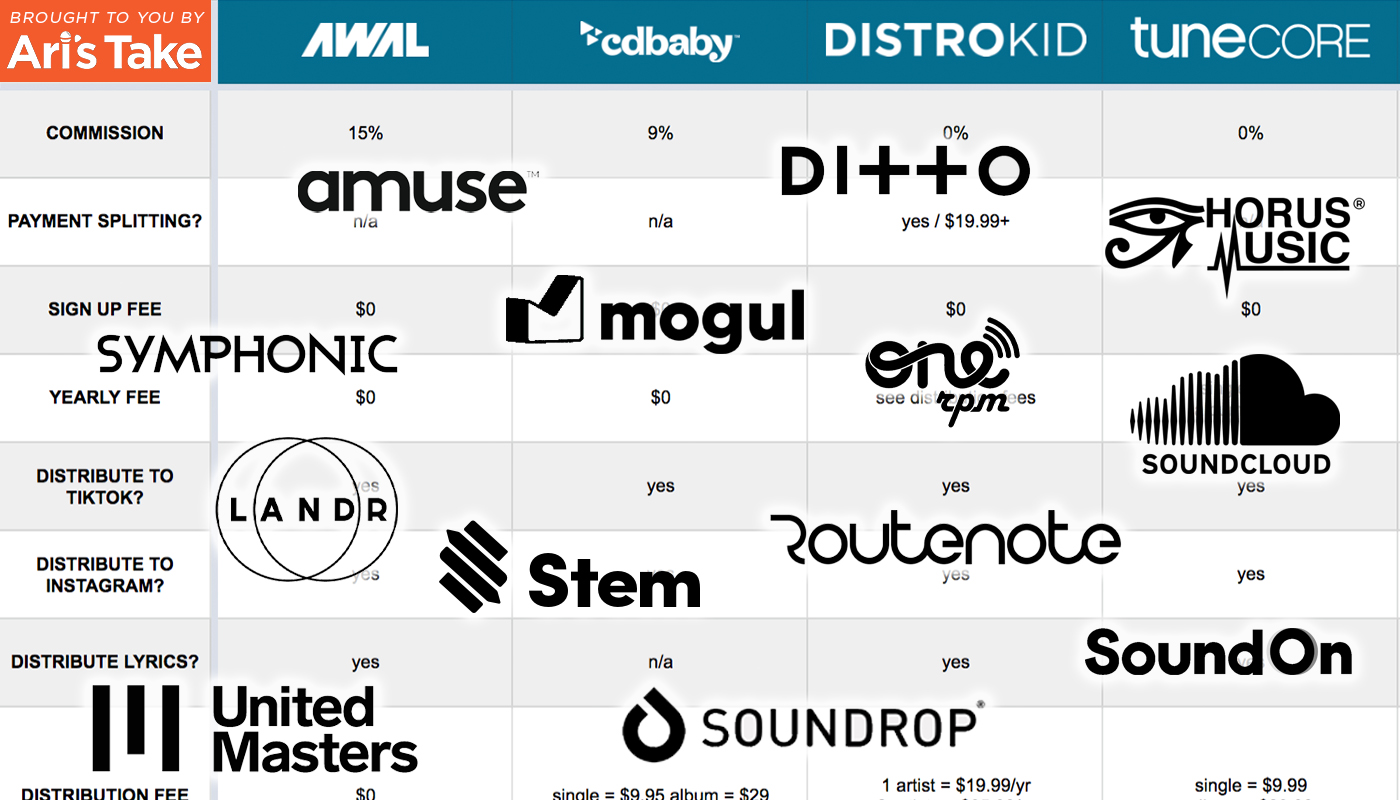
Industry analysts and veteran artists note that standalone distribution platforms are rapidly evolving into comprehensive, one-stop royalty collection shops. While no single company has completely unified sound recording, global composition royalties, and publishing administration under one seamless roof, the gap is closing. Major tech-forward platforms now offer automated payment splitting, data-driven revenue advances, and robust fraud prevention frameworks. To provide independent artists with a clear, data-driven roadmap, this review evaluates nineteen of the most prominent digital music distributors operating today, examining their pricing tiers, core strengths, operational pitfalls, and long-term value propositions.
The Evolution of Independent Music Distribution Models

Historically, independent artists relied on physical aggregation services or boutique record labels to secure placement on digital platforms. However, the introduction of unlimited subscription models in the 2010s completely democratized the release process. Today, the market is broadly split into two categories: pure-play DIY aggregators that cater exclusively to self-releasing artists without taking master ownership, and label-services hybrids (such as AWAL, Symphonic, and UnitedMasters) that offer funding, playlist pitching, and sync opportunities in exchange for a percentage of royalties.
Furthermore, recent regulatory shifts and aggressive crackdowns on artificial streaming fraud have forced distributors to implement stringent Know Your Customer (KYC) protocols. Incidents of mass takedowns by legacy platforms like DistroKid and TuneCore highlighted the tension between algorithmic fraud detection and innocent artists caught in the crossfire. In response, emerging platforms like Too Lost and Symphonic have integrated mandatory photo ID verification to safeguard legitimate creators while maintaining streaming integrity.

Detailed Analysis of the Top Digital Music Distributors
Amuse
Amuse has pivoted significantly from its early days as a free-tier mobile distributor. Under the leadership of CEO Giorgio D’Ambrosio, the company has transitioned to a paid subscription model ranging from $23.99 to over $59.99 per year, categorized into Artist, Artist Plus, and Professional tiers. Amuse provides robust credit distribution and data-driven cash advances ranging from $250 to $300,000 based on streaming history. However, a notable drawback remains the lack of native lyrics distribution and royalty recoupment tools within its basic split-payment architecture.

AWAL
Acquired by Sony Music Entertainment in 2021, AWAL operates independently while maintaining a selective, invite-only philosophy for its higher tiers. Operating primarily on a commission model (averaging roughly 15%), AWAL caters to artists with proven upward trajectories. It offers three distinct levels: AWAL Core, AWAL+, and AWAL Recordings. While it provides elite-tier white-glove marketing, sync, and funding opportunities for established acts, developing artists frequently report feeling overlooked due to limited customer support infrastructure.
CD Baby
As one of the oldest names in independent distribution, CD Baby pioneered open-access digital delivery under founder Derek Sivers. Now owned by Downtown Music Group, the company has experienced significant structural shifts, notably the discontinuation of its CD Baby Pro Publishing arm in late 2023. While its new "Boost" package aims to streamline SoundExchange and MLC registrations, legacy support backlogs and the complete elimination of phone customer service have diminished its once-stellar reputation among long-term independent clients.

DistroKid
DistroKid remains the most popular high-volume distributor in the world, responsible for a substantial share of global music uploads. Founded by Philip Kaplan in 2013, the platform revolutionized the industry with its low-cost, unlimited-release annual subscription. DistroKid excels at rapid deployment and automation, offering native TikTok timestamp controls, cloud-based audio storage, and advanced payment-splitting features with built-in recoupment. Nevertheless, its automated customer service framework, coupled with recurring fees for ancillary features like collaborator splits, can create financial friction for multi-collaborator projects.
Ditto Music
Run by co-founders Lee and Matt Parsons, Ditto Music offers low-cost unlimited distribution across international markets. However, the company has accumulated a significant volume of negative user feedback, ranging from delayed royalty payouts to severe customer service bottlenecks. Due to recurring complaints regarding administrative transparency and disputed release takedowns, independent music analysts frequently advise caution when considering Ditto for catalog management.

Horus Music
Based in the United Kingdom, Horus Music operates a standard DIY model allowing artists to retain 100% of their royalties across paid subscription tiers. Beyond standard DSP delivery, Horus has carved out a strategic foothold in emerging Asian markets, particularly India, South Korea, and expanding regions in China. While it offers structured label-services tiers for high-performing acts, hidden fees regarding music video distribution to VEVO, Apple Music, and Tidal remain a point of friction.
LANDR
Originally recognized for automated cloud mastering, LANDR has expanded into a comprehensive creative ecosystem for bedroom producers and independent acts. Its Studio and Studio Pro tiers bundle unlimited digital distribution, professional mastering, sample libraries, plugin suites, and zero-fee payment splitting. LANDR simplifies cover song licensing through a modest one-time fee and includes YouTube Content ID monetization across all plans, making it an attractive all-in-one production and distribution hub.

Mogul
Mogul’s core enterprise centers on music royalty accounting, auditing, and collection. Founded by industry veteran Jeff Ponchick, its distribution arm offers unlimited uploads for $150 annually alongside a limited free tier restricted to Spotify and Apple Music. While Mogul features robust credit distribution and a zero-commission US/Canada admin publishing option, it currently lags behind competitors by lacking native lyrics distribution, TikTok preview timestamp controls, Spotify Discovery Mode integration, and automated payment splitting.
OFFstep
Spun off from the established independent distributor ONErpm, OFFstep offers a streamlined, budget-friendly interface for DIY creators. Ranging from $12 to $96 per year, OFFstep provides unlimited distribution with zero commission and free payment splitting. Although it supports full credit distribution and advanced metadata editing tools on its higher tiers, it does not currently support cover song licensing or direct registration with neighboring rights organizations like SoundExchange.

ONErpm
Operating as both a DIY distributor and a full-service independent label, ONErpm derives the vast majority of its business from artist development, marketing, and label services rather than raw unsigned aggregation. Utilizing a zero-upfront-cost, 15% commission model, ONErpm is heavily anchored in global emerging markets spanning Latin America, Europe, and Africa. Furthermore, its proprietary YouTube Multi-Channel Network (MCN) provides advanced monetization advantages for video-heavy creators.
RouteNote
Established in 2008, RouteNote provides a reliable, accessible distribution model for emerging artists. Operating on both a free tier (with a 15% commission) and a paid annual subscription model (100% royalty retention), RouteNote has built an extensive global delivery network. Notably, the platform maintains robust infrastructure across Asian digital service providers, enabling select independent acts to generate sustainable streaming revenue exclusively from markets like China and India.

Songtradr
Launching its distribution arm in 2018, Songtradr primarily functions as a tech-enabled sync licensing marketplace and music library. While its distribution service integrates smoothly with its core licensing platform, its reliance on third-party European aggregators in its early phases created currency conversion and royalty payout discrepancies. Artists utilizing Songtradr benefit primarily from direct sync placement opportunities across television, film, and commercial advertising media.
SoundCloud
Leveraging its dominant position as a social discovery hub for independent creators, SoundCloud introduced native DSP distribution via its paid Artist and Artist Pro tiers ($39 to $99 annually). Integrating seamlessly with pre-existing catalog libraries, SoundCloud charges zero commission on royalties and includes free split payments, fan insights messaging, and automated mastering credits. While the user interface can occasionally present navigation hurdles, its artist-centric approach—including its Fan-Powered Royalties model—makes it a compelling option for community-driven musicians.
Soundrop
Soundrop caters to a highly specialized niche: independent musicians and cover song creators. Operating on a low-cost per-track model ($0.99 per release) alongside a 15% commission, Soundrop automates mechanical licensing for cover songs and provides built-in payment splitting without recurring annual fees. While its detailed financial reporting is relatively sparse—often limited to raw spreadsheets—it remains an efficient, cost-effective solution for high-volume cover artists.
Stem
Stem operates as an invite-only, curated distribution service led by CEO Milana Rabkin. Utilizing a 10% commission structure, Stem provides dedicated project managers and exceptional playlist pitching success rates. Its payment-splitting infrastructure is widely regarded as an industry benchmark, requiring all collaborating parties to approve splits prior to distribution disbursement. This rigorous verification process ensures financial transparency, though it requires proactive communication among production teams.

Symphonic Distribution
Founded on a selective, artist-development ethos, Symphonic offers both a vetted "Partner" commission tier and an accessible "Starter" subscription plan ($19.99/year for unlimited releases). Symphonic has established a powerful market presence in electronic, urban, and Latin American genres, maintaining official partnerships with platforms like Beatport. The platform includes complimentary payment splitting, comprehensive analytics, and physical distribution capabilities across international offices.
Too Lost
Founded by Greg Hirschhorn, Too Lost has rapidly scaled to service hundreds of thousands of independent artists. The platform stands out for its rigorous anti-fraud security measures, requiring mandatory government ID and selfie verification to combat artificial streaming inflation. Too Lost features direct delivery to over 450 global outlets, robust analytics tracking skip rates and hourly engagement, and flexible payment-splitting tools with recoupment limitations. However, scaling challenges have resulted in occasional customer support bottlenecks during peak volume periods.

TuneCore
Following 16 years of maintaining a per-release pricing model, TuneCore shifted its strategy to introduce unlimited annual subscription plans ranging from $14.99 to $49.99 per year under parent company Believe. TuneCore boasts exceptional royalty reporting clarity, territory-specific distribution carving, and data-driven revenue advances. While it retains a 20% commission on social media monetization platforms (such as TikTok and YouTube), its core DSP distribution retains 100% of artist royalties.
UnitedMasters
Backed by heavy-weight venture investments from Alphabet Inc. and 21st Century Fox, UnitedMasters has established itself as a major aggregator within the global hip-hop and urban music sectors. Led by CEO Steve Stoute, the company functions as both a self-service distributor and an elite label-services partner. By securing high-profile sync placements with brands like the NBA, Apple, and Hulu, UnitedMasters provides scaling opportunities for artists who achieve initial organic traction.

Comparative Analysis and Strategic Decision-Making
Ultimately, there is no universal "best" digital music distributor. Artists must align platform selection with their specific career stage, genre focus, and administrative needs. Those prioritizing absolute financial cost-efficiency may lean toward subscription aggregators like DistroKid, TuneCore, or OFFstep. Creators requiring hands-on sync placement and playlist pitch support will find greater value in curated services like Stem, AWAL, or Symphonic. As the digital distribution ecosystem continues to evolve toward total royalty transparency and consolidated collection, independent musicians must regularly audit their distribution contracts to ensure their long-term financial and creative interests remain fully protected.