Darius Rucker Opens Up About the Double-Edged Sword of Cross-Genre Success and Intracommunity Criticism

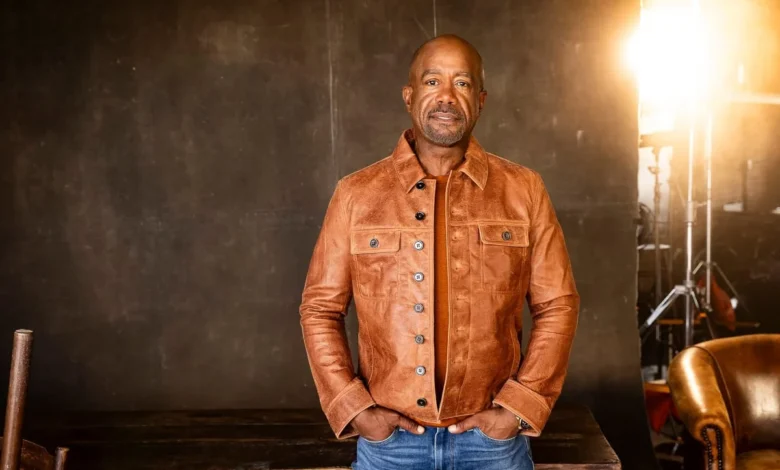
The complexities of navigating race within the American music industry have once again taken center stage following candid remarks by multi-platinum recording artist Darius Rucker. Appearing on a recent episode of the Bobby Bones podcast Bobbycast, the Grammy Award-winning singer detailed the multifaceted nature of the pushback he has encountered throughout his decades-long career. While public discourse surrounding minority artists in country music typically focuses on institutional barriers or overt prejudice from traditional listener bases, Rucker’s testimony illuminates a less frequently discussed phenomenon: the intense skepticism and criticism he has faced from within the Black community itself.
The conversation, which quickly circulated across digital media platforms, highlights a painful irony for pioneering Black artists in traditionally homogenous genres. Rucker expressed that while external resistance from white audiences was something he anticipated and felt prepared to combat given his upbringing in Charleston, South Carolina, the disapproval originating from his own community carried a uniquely demoralizing weight. This dialogue arrives at a critical juncture for country music, coinciding with the release of his Hulu documentary, Darius Rucker: They Called Me Hootie, and prompting a broader industry-wide examination of representation, cultural gatekeeping, and historical erasure.
The Lived Reality of Intracommunity Resistance
During his discussion on the Bobbycast, Rucker recounted specific instances of hostility that tested his resilience. He described an encounter where a social media user confronted him with the rhetorical question, "You know you’re black, right?"—a remark that provoked profound frustration after spending 60 years in the public eye.
Rather than viewing his cross-genre trajectory into country music as a transgressive triumph over systemic limitations, critics from his own demographic have at times questioned his motivations or authenticity. Rucker articulated the profound emotional toll of this dynamic, noting that it cuts deeper than expected external prejudice.
"I’m not talking about just white folks being racist, I’m talking about black folks going, ‘What the f— are you doing, man? Really?’" Rucker shared during the podcast. He emphasized the desire for solidarity, arguing that breaking into a space historically dominated by white artists should be met with collective affirmation rather than incredulity or alienation.
This sentiment echoes similar experiences shared by contemporary Black country artists. In 2020, fellow country artist Mickey Guyton detailed the isolation she felt after being uninvited from a video shoot for the female-centric supergroup The Highwomen. Guyton pointed out the painful contradiction of being excluded from an initiative ostensibly designed to champion women in the genre, underscoring how rejection from peers can inflict a distinct type of professional and personal harm.
Historical Context and Institutional Blind Spots
The challenges articulated by Rucker are deeply rooted in the historical architecture of the American entertainment industry. When Rucker transitioned from his role as the frontman of the multi-platinum rock band Hootie & the Blowfish to a solo career in country music in the late 2000s, the genre was profoundly lacking in racial diversity. As Rucker noted in a recent profile with People Magazine, there had not been a prominent Black artist on mainstream country radio for roughly 25 years prior to his debut single, "Don’t Think I Don’t Think About It," which reached number one on the Billboard Hot Country Songs chart in 2008.
This relative isolation connects to a broader historical lineage best embodied by the late Charley Pride, the genre’s most commercially successful Black superstar prior to the twenty-first century. Pride achieved unprecedented milestones in the 1970s, winning the Country Music Association’s (CMA) Entertainer of the Year award in 1971 and serving as a CMA host. However, in conversations with Rucker before his passing, Pride reflected on a striking paradox: despite his monumental commercial dominance, he was never featured on the cover of prominent Black-focused cultural publications such as Ebony or Jet magazines.
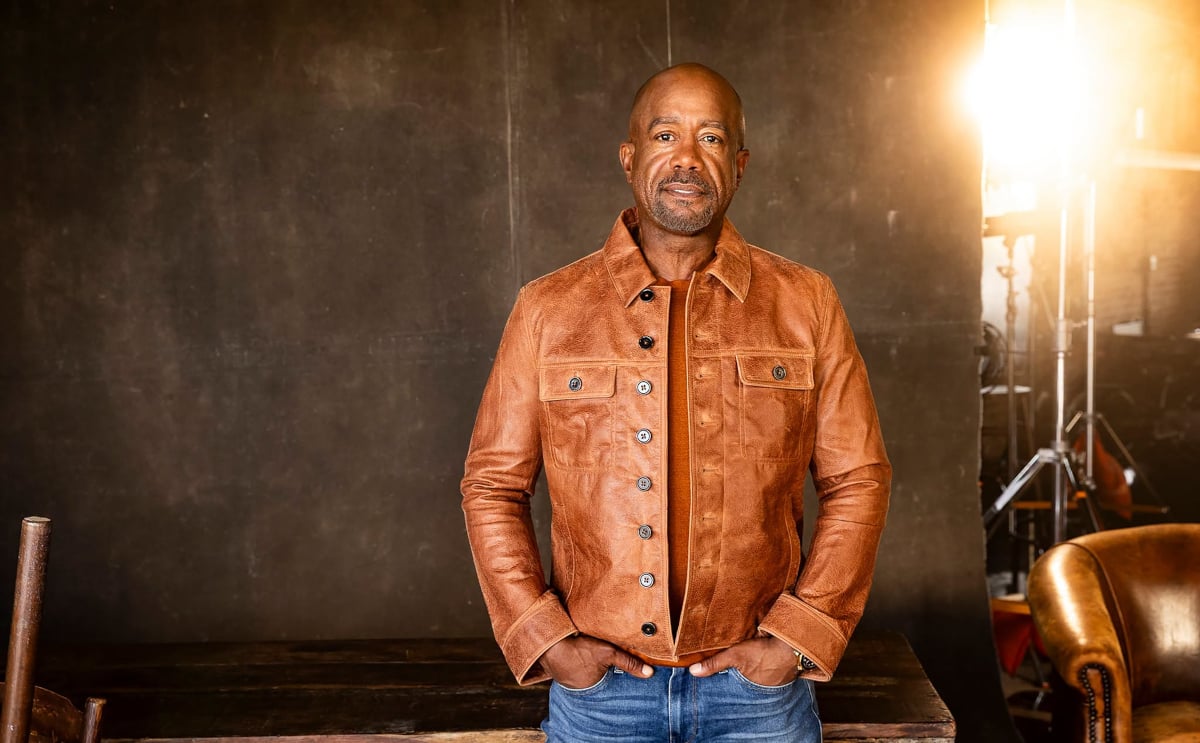
Rucker noted that this oversight symbolizes a systemic blind spot across cultural institutions. While country music history often overlooks or minimizes the foundational contributions of Black musicians—who heavily influenced the genre’s origins through the banjo, blues cadences, and storytelling traditions—mainstream Black media institutions have historically mirrored this disconnect by failing to celebrate or document Black artists who achieve success within the format.
The Polarized Public Reaction
Rucker’s remarks have generated robust and polarized commentary across social media and cultural forums. The debate highlights a deep ideological divide regarding where accountability lies within the music industry.
Some cultural commentators and social media users have argued that focusing heavily on intracommunity skepticism risks misallocating the conversation’s center of gravity. Critics of Rucker’s perspective suggest that the primary systemic barrier remains the historical gatekeeping maintained by country music’s institutional power structures—such as record labels, radio conglomerates, and award bodies—which have traditionally marginalized minority performers. From this viewpoint, directing substantial emotional bandwidth toward criticism from the Black community can inadvertently deflect attention from entrenched industry inequities.
Conversely, supporters and industry analysts maintain that Rucker’s transparency sheds light on an unavoidable psychological dimension of minority achievement. Experiencing alienation from both sides—facing demographic resistance within the genre while simultaneously receiving skepticism from one’s own community—creates a uniquely isolating environment for artists attempting to forge new pathways.
Broader Implications for Media and Education
The discourse surrounding Rucker’s comments intersects with ongoing debates regarding cultural recognition, particularly in the wake of projects like Beyoncé’s genre-shifting album Cowboy Carter and recent television documentaries examining the history of Black cowboys and musicians. These works have stimulated widespread public interest in the intertwined histories of Black culture and country music.
However, a persistent discrepancy remains in how cultural history is codified and taught. While mainstream educational curricula and cultural institutions routinely celebrate Black pioneers who broke color barriers in sports—such as Jackie Robinson in Major League Baseball—or in rock and roll, such as Chuck Berry and Little Richard, equivalent figures in country music like Charley Pride or DeFord Bailey are frequently omitted from Black History Month observances and standard music history education.
Furthermore, industry observers have pointed out institutional inconsistencies within cultural award ceremonies. While major Black entertainment platforms like the BET Awards comprehensively honor achievements across hip-hop, R&B, pop, gospel, and international music, country music is traditionally excluded from consideration. This institutional omission reinforces the false narrative that country music is entirely culturally separate from the broader diaspora of Black American musical expression.
Conclusion and Industry Outlook
Darius Rucker’s recent revelations serve as a reminder that the path toward genuine inclusivity in the American music landscape is fraught with complex, intersecting challenges. By speaking candidly about the emotional friction of cross-genre success, Rucker has forced a more nuanced conversation about what it means to pioneer change within a traditional industry.
As the country music genre continues to grapple with demographic shifts, institutional accountability, and questions of historical ownership, the lived experiences of artists like Rucker, Charley Pride, and Mickey Guyton provide essential context. Addressing these multifaceted hurdles—from external industry gatekeeping to internal community misunderstandings—remains a vital step toward ensuring that future generations of artists are evaluated strictly on their artistry and passion for the genre, free from the heavy burdens of historical isolation and cultural skepticism.