Georgie Fame and The Harry South Big Band Sound Venture: A Critical Retrospective on the 1966 Columbia Records Collaboration

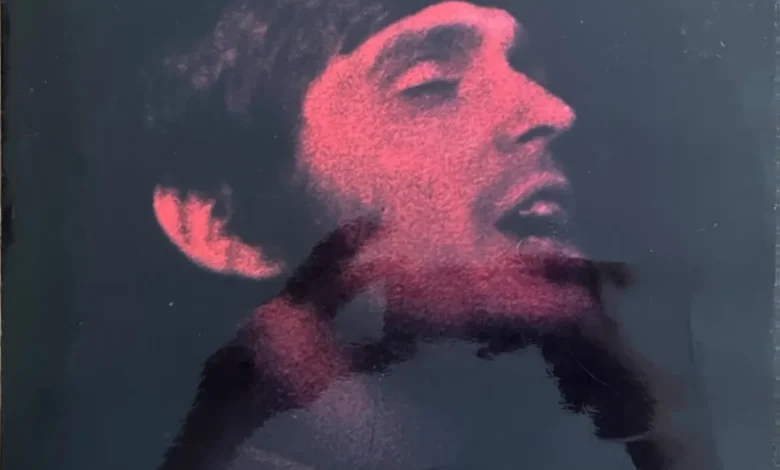
The 1966 release of the album Sound Venture, featuring British rhythm and blues icon Georgie Fame backed by the formidable Harry South Big Band, stands as a seminal moment in the mid-1960s intersection of pop stardom and jazz ambition. Released on the Columbia label (SX 6076), the record represents a concerted effort to transition a successful chart-topping performer into the more sophisticated, technically demanding realm of large-ensemble jazz. However, the project remains a subject of debate among critics and music historians, serving as a case study for the friction that often occurs when commercial pop sensibilities attempt to co-opt the aesthetic of the jazz tradition.
The Artistic Context of the 1960s British Jazz Scene
During the mid-1960s, the United Kingdom was undergoing a seismic shift in its musical landscape. While the "British Invasion" dominated the global airwaves, a distinct faction of musicians—many of whom were deeply rooted in the post-war jazz tradition—sought to bridge the gap between the burgeoning pop industry and the rigors of big band orchestration. Harry South, a highly regarded arranger and composer, was at the center of this movement. His ability to marshal a group of elite session musicians—many of whom were household names in the London jazz circuit—made him the ideal candidate to elevate Fame’s artistic profile.
Fame, already known for his work with the Blue Flames and his penchant for blending R&B with jazz-inflected organ playing, was at the height of his commercial viability. His label sought to capitalize on this momentum, aiming to market him as a sophisticated vocal stylist capable of tackling standards and complex arrangements. Yet, this ambition faced skepticism from contemporary critics who viewed the transition as calculated rather than organic.
Personnel and Orchestral Composition
The technical caliber of the musicians assembled for the Sound Venture sessions is perhaps the most significant aspect of the record. The personnel list reads like a definitive roster of the British jazz elite in 1965 and 1966. The brass section featured Ian Hamer, Greg Bowen, Jimmy Deuchar, Les Condon, Tony Fisher, and Bert Courtley, with the incomparable Kenny Wheeler contributing on trumpet and tenor horn. The trombone section included Keith Christie and Johnny Marshall, while the reed section boasted the talents of Tubby Hayes, Ronnie Scott, Tony Coe, and Dick Morrissey.
The rhythm section was equally formidable, featuring pianists Gordon Beck and Stan Tracey, bassist Phil Bates, and drummers Phil Seamen and Bill Eyden. That such a high-tier collection of talent was assembled for a project centered on a pop vocalist was a testament to the commercial muscle of Columbia Records at the time. The financial and logistical undertaking required to coordinate these sessions suggests that the label viewed this as a high-priority investment in the "maturation" of Fame’s career.
Chronology of the Recording Sessions
The recording process for Sound Venture occurred throughout 1965 and into 1966 in London. The timeline reflects the industry’s desire for rapid production, a common practice during the peak of the 33 1/3 RPM vinyl era.
- 1964-1965: Georgie Fame achieves significant chart success with the Blue Flames, establishing a fan base that favored his R&B-leaning style.
- Late 1965: Initial discussions between Harry South and label executives to develop a "Big Band" vehicle for Fame.
- 1965-1966: Recording sessions take place in London. The selection of material is eclectic, ranging from standards like "Lil’ Darlin’" to contemporary soul-jazz numbers such as "Papa’s Got A Brand New Bag."
- 1966: Release of Sound Venture (Columbia SX 6076).
- Post-Release: Critical reception is mixed, with reviewers questioning the authenticity of the "jazz singer" persona adopted by Fame.
Critical Reception and the "Imitation" Debate
Upon its release, the album was met with a polarized critical reception. While some reviewers lauded the inclusion of high-quality arrangements, others were quick to point out a lack of emotional authenticity in Fame’s delivery. A recurring criticism was that Fame, while technically proficient, lacked the nuance of a career jazz vocalist.
Critics of the era, such as James Greenwood, famously characterized Fame’s performance not as that of a true jazz singer, but as an "imitation of a jazz singer." This critique centered on the perception that Fame’s improvisational choices—specifically his vocal codas—felt rehearsed and overly mannered. The contrast between his "adenoidal" delivery of sophisticated standards and his more comfortable, simpler swing performances highlighted a central tension: could a pop star successfully cross over without shedding the very mannerisms that made them famous?
The sleeve notes, written by Chris Welch, attempted to frame the album as a major artistic leap, even comparing the potential future trajectory of Fame to the legendary Count Basie. However, this marketing narrative backfired among jazz purists, who viewed the comparison as hyperbolic and disconnected from the reality of the performance.
Analysis of Material Selection
The tracklist of Sound Venture demonstrates the breadth of Fame’s influences, including Jon Hendricks, Ray Charles, Frank Sinatra, and Mel Tormé. Tracks like "Down For The Count" and the Clyde McPhatter classic "Lovey Dovey" were cited as highlights, as they aligned more closely with Fame’s established R&B roots. Conversely, the attempts at more complex, swing-heavy arrangements sometimes revealed the limitations of his vocal range and stylistic flexibility.
The inclusion of "Funny How Time Slips Away" showcased a ballad-singing capability that resonated with audiences, proving that when Fame leaned into his strengths rather than attempting to emulate the complex phrasings of bop vocalists, the result was a more cohesive and authentic performance.
Broader Implications for the British Music Industry
The failure of Sound Venture to achieve universal acclaim serves as a broader commentary on the British music industry’s approach to talent management during the mid-60s. Labels were often eager to force pop stars into jazz or "easy listening" formats to broaden their demographic appeal. This strategy frequently underestimated the discerning nature of the jazz audience and the unique skills required for vocal jazz mastery.
Furthermore, the project highlights the missed opportunities for female vocalists of the era. Critics at the time pointed toward figures such as Norma Winstone, who possessed a natural, innate jazz sensibility. The fact that the industry prioritized established pop names like Fame over more experienced, dedicated jazz artists remains a point of contention for historians of the period. It underscores a reality of the music business: commercial "hit records" were often a more valuable currency than technical mastery or artistic pedigree.
Legacy and Historical Value
Today, Sound Venture is viewed less as a definitive jazz album and more as an artifact of a specific era in British music history. Its value lies not in Fame’s vocal performances, which remain divisive, but in the exceptional quality of the Harry South arrangements and the participation of the era’s most gifted session players.
The album remains a significant point of reference for those studying the evolution of British jazz-pop. It serves as a reminder of the industry’s attempt to commodify jazz through the lens of pop stardom. While it may not have achieved the critical success intended by Columbia Records, it stands as a testament to the immense, often underutilized talent residing within the London session musician community of the 1960s. For the modern listener, the record offers a compelling glimpse into a time when the lines between pop and jazz were being aggressively blurred, providing an essential, if imperfect, chapter in the narrative of 20th-century British music.