The Resurgence of Wired Headphones in the Modern Audio Landscape and the Best Black Friday Deals for 2026

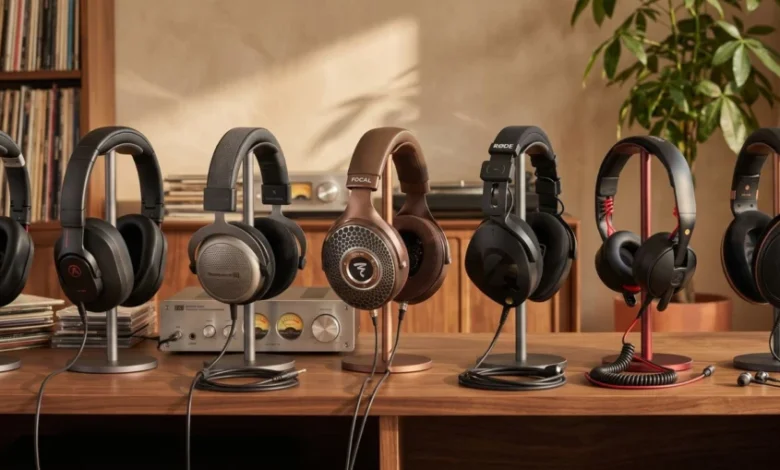
For over a decade, the audio industry has been defined by the rapid adoption of Bluetooth technology, with consumers prioritizing the convenience of wireless connectivity over the fidelity of traditional wired connections. However, the market dynamics have shifted significantly throughout 2026. Data from consumer electronics retail analysis suggests a measurable uptick in the sales of wired headphones, particularly among younger demographics and audiophile enthusiasts who are increasingly prioritizing lossless audio quality and the absence of battery-dependent hardware. This trend, often referred to as "wired nostalgia" or the "fidelity pivot," has been accelerated by the rising popularity of high-resolution streaming services and the realization that Bluetooth compression, while improving, still fails to match the clinical accuracy of a physical signal path.
The Chronology of the Wireless Dominance and the Current Reversal
The transition toward wireless audio began in earnest around 2016, a year marked by the removal of the 3.5mm headphone jack from flagship smartphones. This design choice effectively forced the hand of the average consumer, driving the mass-market adoption of true wireless earbuds (TWS) and Bluetooth over-ear models. Between 2017 and 2023, wired headphone sales in the consumer sector experienced a steady annual decline, relegated largely to professional studio equipment and high-end hi-fi systems.
However, the tide began to turn in early 2025. The resurgence can be attributed to several factors: the ubiquity of high-resolution lossless audio tiers on platforms like Apple Music and Tidal, the improvement of portable Digital-to-Analog Converters (DACs), and a burgeoning interest in "analog" experiences. As Black Friday 2026 approaches, retailers are reporting an unusual increase in inventory turnover for wired models, prompting a surge in promotional activity aimed at recapturing this growing segment of the market.
Analyzing the Technical Drivers of Wired Superiority
The core appeal of the wired headphone remains its technical purity. Unlike wireless headphones, which require an integrated battery, Bluetooth transceiver, and internal DAC/Amplifier, a wired headphone is essentially a transducer. When paired with high-quality source equipment, it avoids the latency and lossy compression artifacts associated with even the best Bluetooth codecs, such as LDAC or aptX Lossless.
Industry experts note that the market is currently bifurcated. On one end, there is a demand for "pro-sumer" wired gear that offers durability and neutral sound signatures for content creators. On the other, there is a renewed interest in audiophile-grade open-back headphones for stationary home listening. This has created a unique opportunity for manufacturers like Austrian Audio, Beyerdynamic, and Focal to market their legacy expertise to a new generation of listeners who are beginning to invest in dedicated headphone amplifiers and external DACs.
Curating the Best Wired Selections for the Current Season
As the Black Friday sales events commence, consumers are faced with a diverse range of wired options. For those seeking entry-level studio quality, the Austrian Audio Hi-X15 and Hi-X20 represent a significant departure from mass-market consumer sound profiles. By utilizing technology developed by former AKG engineers, these models provide a transparent, balanced sound signature that is rarely found at their price point. Their lightweight construction is designed for long-term comfort, addressing the common criticism that wired headphones are cumbersome for daily use.
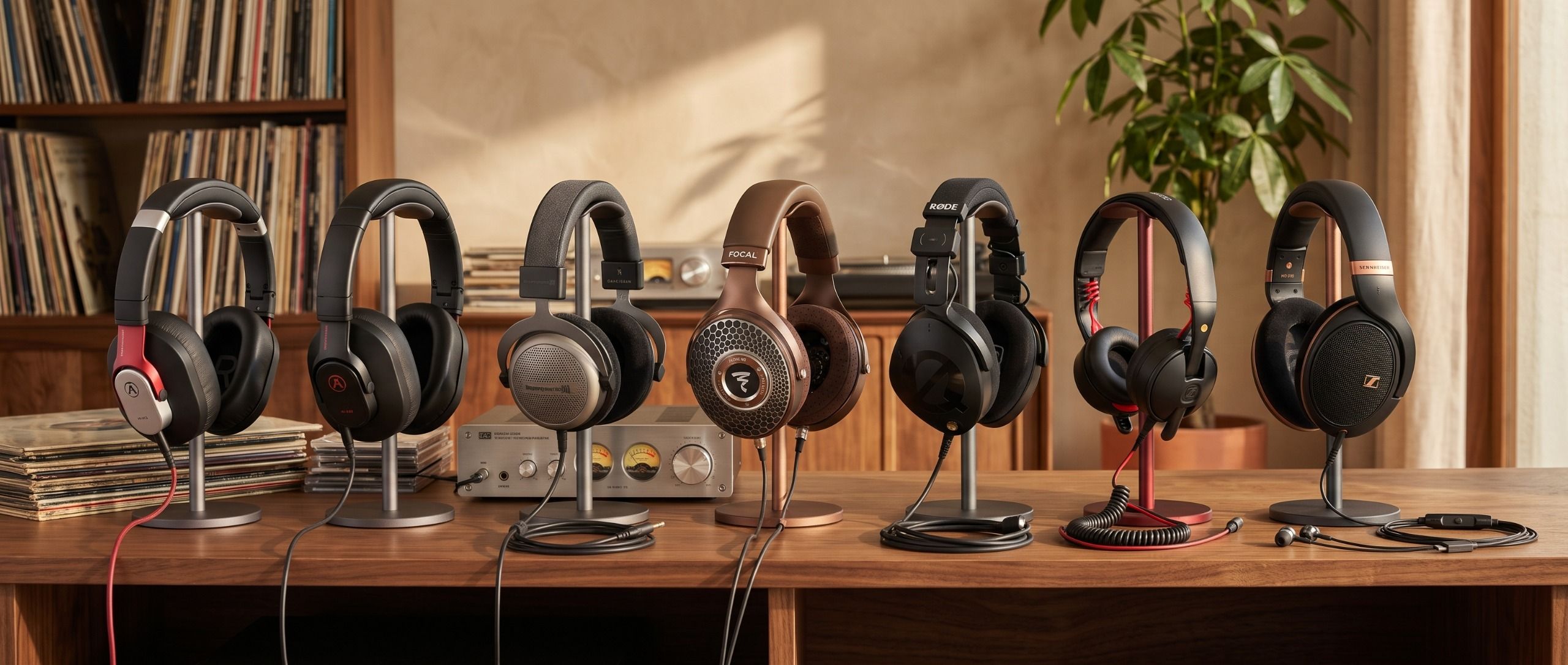
At the mid-to-high end of the market, the Beyerdynamic T1 (3rd Generation) continues to be a benchmark for dynamic range and spatial imaging. Despite being a multi-year veteran in the industry, its build quality and open-back design provide an immersive experience that remains competitive against newer, costlier alternatives. For those seeking the pinnacle of performance, the Focal Clear Mg is widely considered the gold standard in the current landscape. Its ability to produce an expressive, highly detailed soundstage, combined with a premium aesthetic, justifies its position as a long-term investment for serious listeners.
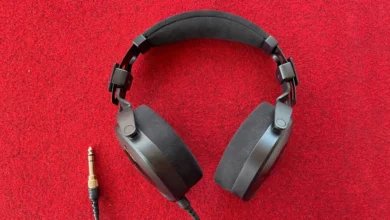
For portable applications, the Rode NTH-100 and the more compact NTH-50 offer a professional-grade alternative for those who remain tethered to their laptops or mobile devices. While the NTH-50 is an on-ear model and sacrifices some comfort compared to its larger sibling, its price-to-performance ratio makes it a practical choice for on-the-go monitoring.
The Role of Connectivity: USB-C and 3.5mm Evolution
A critical aspect of the wired resurgence is the adaptation of hardware to modern device constraints. The proliferation of USB-C-equipped smartphones has necessitated the development of high-quality wired earbuds that do not rely on the legacy 3.5mm jack. The Sennheiser CX 80 U has emerged as a leader in this category, providing a direct digital connection that bypasses the limitations of older analog hardware. Conversely, the SoundMagic E11C remains a staple for those who maintain legacy 3.5mm sources, offering a cost-effective, high-fidelity experience that remains difficult to surpass in the sub-premium segment.
Broader Implications for the Audio Industry
The return of wired headphones is not merely a niche fashion statement; it represents a fundamental shift in how consumers perceive the value of their media consumption. The implications for the audio industry are significant:
- Hardware Synergy: There is an increasing requirement for audio manufacturers to bundle or market "stacks"—systems comprising headphones, a DAC, and an amplifier—rather than selling headphones in isolation. This is driving a renewed interest in hi-fi accessories.
- Market Diversification: Retailers who previously focused exclusively on wireless earbuds are now re-allocating shelf space to wired equipment, recognizing that the "audiophile" demographic is expanding beyond its traditional boundaries.
- Environmental Considerations: Wired headphones typically have a longer lifecycle than wireless counterparts. Because they lack internal lithium-ion batteries, which are subject to chemical degradation over time, wired headphones are inherently more sustainable, a factor that is increasingly influencing purchasing decisions among younger, eco-conscious consumers.
Expert Guidance for the Novice Hi-Fi User
For those transitioning from wireless to wired, the learning curve can be steep. The most important advice for a beginner is to understand the chain of signal. A premium set of wired headphones will be severely limited if connected to a low-quality smartphone headphone adapter. Investing in a budget-friendly, high-resolution portable DAC/Amp is the single most effective way to appreciate the sonic benefits of the wired category.
Industry analysts observe that the Black Friday period in 2026 is seeing an unprecedented volume of "starter kits"—bundled offers that include entry-level hi-fi components designed to ease the transition. This signals that manufacturers are aware of the barrier to entry and are actively working to lower it for the general public.
Conclusion
The resurgence of wired headphones is a testament to the enduring value of audio fidelity in an increasingly digital world. While the convenience of wireless technology will likely continue to dominate the mass market, the growth of the wired segment highlights a significant desire for deeper engagement with music. Whether for professional studio monitoring, casual home listening, or portable high-resolution audio on the go, the current market offers a breadth of options that cater to both the budget-conscious enthusiast and the dedicated audiophile. As Black Friday deals continue to unfold, the focus remains clear: for those who value sound quality above all else, the wire is back, and it is here to stay.