Let’s Join Hands And Contact The Living: The Story of Ronnie Scott and His Club by John Fordham

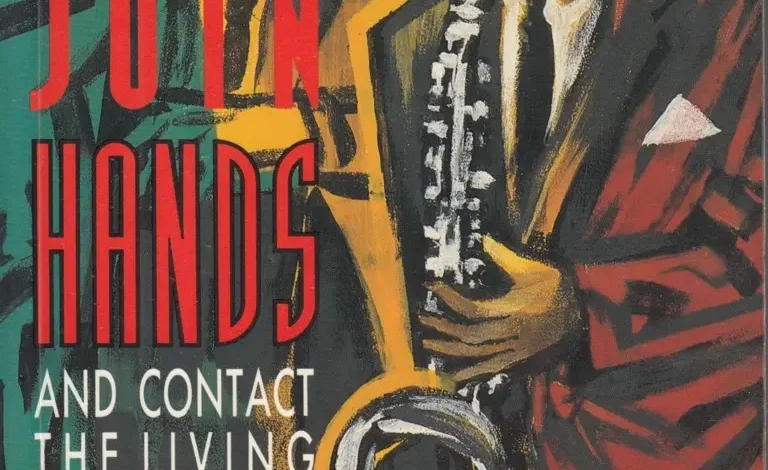
Forty years after its initial publication, John Fordham’s definitive account of the life and career of Ronnie Scott remains a cornerstone of British jazz literature. When Mark Gilbert first reviewed the biography for Jazz Journal in November 1986, he noted that while the anecdotes surrounding the iconic saxophonist were often retold to the point of exhaustion, Fordham’s work offered a rare, penetrating look at the man behind the persona. The book, published by Elm Tree Books, successfully navigated the complexities of Scott’s dual life: the public face of a club owner known for his deadpan wit and the private reality of a musician struggling with the weight of his own legacy and the demands of an evolving London jazz scene.
The Origins of a Jazz Icon
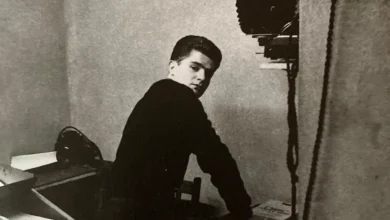
Ronnie Scott’s trajectory from the East End of London to the international stage is a narrative of resilience and artistic evolution. Born Ronald Schatt in 1927, he grew up in a fractured Jewish household in London. This background, often overshadowed by his later commercial success, provided the bedrock for his early immersion in music. By the late 1940s and early 1950s, Scott had emerged as a formidable tenor saxophonist, deeply embedded in the nascent bebop movement.
His journey through the dance-band circuits of the post-war era served as a vital apprenticeship, but it was his move into club management that cemented his status as a pillar of the British cultural landscape. The establishment of Ronnie Scott’s Jazz Club in 1959 was not merely a business venture; it was an act of cultural preservation. At a time when jazz was struggling to find a permanent home in the UK, Scott provided a sanctuary that would eventually host legends from Miles Davis to Chet Baker.
Chronology of a Career
The timeline of Scott’s influence spans several decades of transformative change in the music industry:
- 1927: Born in Aldgate, London.
- 1940s: Gains prominence as a young saxophonist, playing in various dance bands and discovering the complexities of bebop.
- 1952: Becomes a key figure in the "Club 11" movement, a short-lived but pivotal hub for London’s modern jazz musicians.
- 1959: Co-founds Ronnie Scott’s Jazz Club in Gerrard Street, Soho.
- 1965: The club moves to its permanent, more spacious home at 47 Frith Street.
- 1986: John Fordham publishes Let’s Join Hands And Contact The Living, detailing the club’s history and the personal struggles of its founder.
- 1996: Ronnie Scott passes away, leaving behind an institution that remains one of the most prestigious jazz venues globally.
Unmasking the Man Behind the Wit
Fordham’s biography is distinguished by its refusal to settle for the "wisecracking" caricature that defined Scott in the media. While the club owner was famous for his dry, self-deprecating humor—often delivered to distracted audiences—the book reveals a man plagued by periods of intense melancholy and chronic self-doubt.
One of the more poignant revelations in the text is the pattern of Scott’s romantic life, which often involved sudden, dramatic departures. Fordham documents how Scott would periodically abandon his responsibilities to pursue unrequited or lost loves, frequently traveling to New York City. These trips were more than simple romantic escapades; they were pilgrimages to the epicenter of modern jazz, allowing Scott to immerse himself in the American scene while simultaneously distancing himself from the administrative burdens of his London club. These episodes of "debilitating melancholia" serve to humanize a man who had become a monolith in the British jazz world.
The London Jazz Scene in Context
To understand the significance of Fordham’s work, one must consider the environment in which Scott operated. London in the mid-20th century was a city of rigid social structures and shifting musical tastes. The jazz scene was a counter-cultural movement, often viewed with skepticism by the mainstream press.
Scott’s club functioned as a bridge between the American masters and the local talent. By bringing in international heavyweights, Scott didn’t just provide entertainment; he fostered an educational environment. Data from the era suggests that the presence of the club significantly increased the professional opportunities for British musicians, who were able to perform alongside their American counterparts, thereby absorbing new techniques and styles that were previously only available via records.
Critical Reception and Literary Merit
At the time of its release, Fordham’s work was praised for its "lucid style." The author, an accomplished journalist, approached the biography with the rhythm and urgency of a bebop composition. This stylistic choice allowed the book to transcend the "specialist tome" category, appealing to a general audience interested in the social history of post-war London.
Critics noted that Fordham’s access to Scott was unprecedented. By documenting the private turmoil alongside the professional triumphs, the book provided a necessary corrective to the legends that had begun to obscure the reality of Scott’s life. The 1986 review by Mark Gilbert highlighted that the book was essential reading, not just for jazz aficionados, but for anyone seeking to understand the psychological cost of maintaining a public persona in the entertainment industry.
The Legacy of the Club
The implications of Scott’s life work are still felt in the contemporary music industry. Ronnie Scott’s Jazz Club remains a focal point for the global jazz community. The business model established by Scott—balancing artistic integrity with the pragmatic necessities of club management—serves as a blueprint for modern jazz venues.
Beyond the economics, the club’s impact on cultural diplomacy cannot be overstated. During the height of the Cold War and the subsequent decades of global flux, the club remained a neutral ground where musicians from diverse backgrounds could converge. The "Let’s Join Hands" philosophy—reflected in the title of Fordham’s book—spoke to a desire for connection in a world that was often fractured by politics and prejudice.
Analyzing the "Scott Phenomenon"
Why did Scott’s life continue to fascinate the public decades after he started his career? The answer lies in the juxtaposition of his public and private lives. The public saw a man who was always in control, a master of the stage and a savvy businessman. The private reality, as Fordham exposed, was one of fragility. This dichotomy resonates with a wide audience; it is a story of a man who provided a home for others while searching for his own sense of belonging.
The historical analysis of his career suggests that Scott was a catalyst for the modernization of the British jazz scene. By professionalizing the performance space, he shifted jazz from a niche interest to a respectable, and eventually essential, component of London’s nightlife.
Conclusion
John Fordham’s Let’s Join Hands And Contact The Living remains a vital document. It captures a specific moment in time—the mid-1980s—while providing a comprehensive historical retrospective of the preceding decades. For the modern reader, the book offers more than just a history of a club; it offers a case study in how personal ambition, artistic passion, and profound human struggle can intersect to create an institution that outlasts its creator.
The story of Ronnie Scott is not merely about a musician or a business owner; it is the story of a man who navigated the complexities of his own psyche while helping to define the musical identity of a city. Whether one is a devotee of the bebop era or a newcomer to the history of jazz, the lessons within Fordham’s narrative remain as relevant today as they were when they were first published in 1986. The "fly on the wall" perspective that Gilbert praised continues to illuminate the path for those who seek to understand the man behind the jokes, the melancholy behind the music, and the enduring power of a life lived in service to the art form.