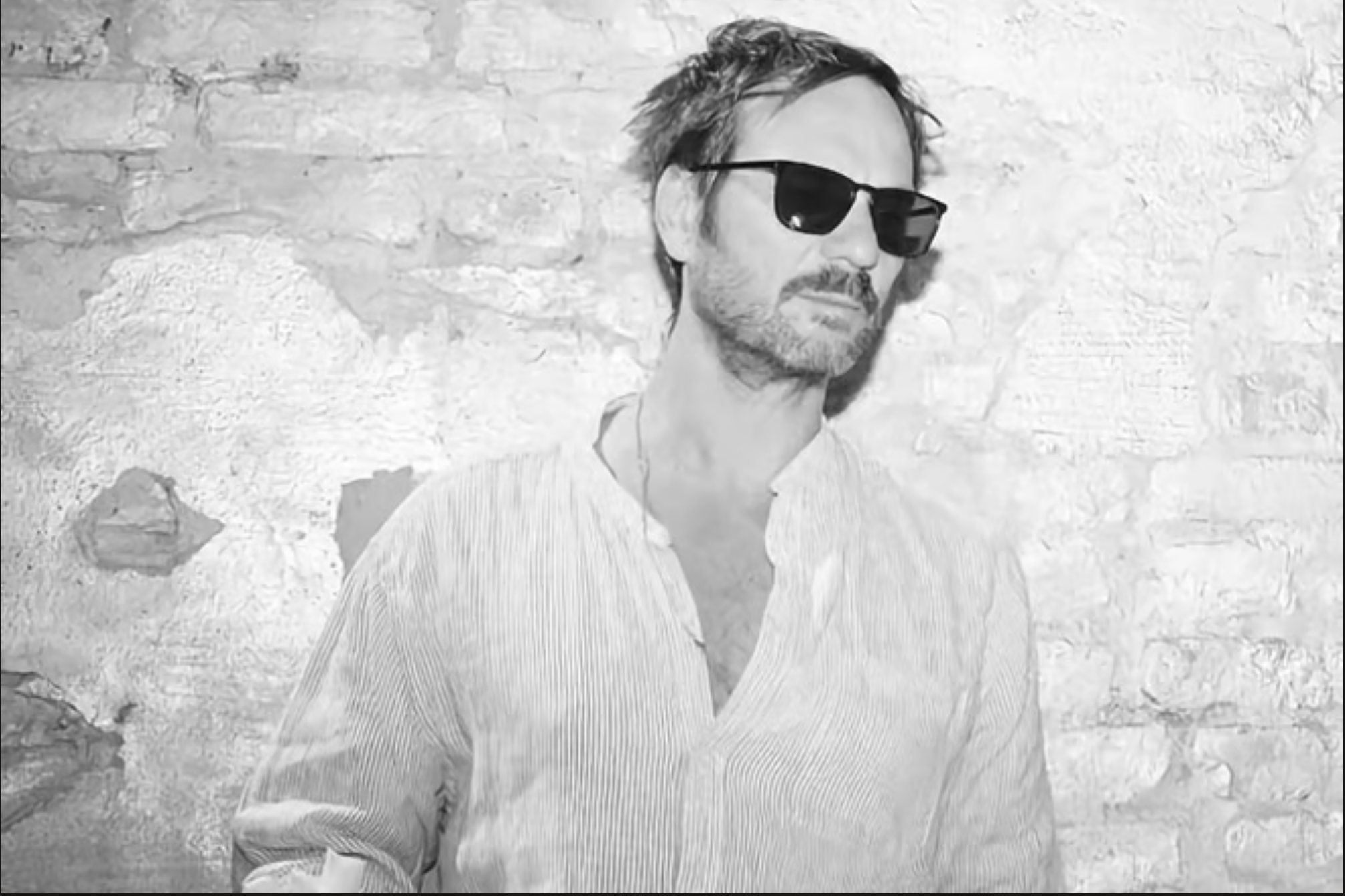
Philipp Jung, co-founder of Get Physical and one half of M.A.N.D.Y., has passed away, aged 55.


The electronic music world is mourning the profound loss of Philipp Jung, a pioneering figure whose visionary contributions shaped the landscape of house and techno for over two decades. Jung, aged 55, was a co-founder of the seminal Berlin-based label Get Physical Music and one half of the highly influential DJ and production duo M.A.N.D.Y. His passing, announced on May 21, 2026, has sent ripples of sorrow throughout the global music community, leaving an indelible void. For publications like XLR8R, where Jung was a close friend and collaborator to the staff and extended family, the news was met with profound heartbreak, underscoring the deep personal and professional connections he forged throughout his illustrious career. His groundbreaking work, characterized by an innovative approach to sound design, meticulous curation, and an unwavering commitment to artistic integrity, profoundly influenced a generation of artists and listeners alike.
The Genesis of a Sound: M.A.N.D.Y. and the Rise of Minimal Melodies
Philipp Jung’s journey into the upper echelons of electronic music began in earnest in the early 2000s, a transformative period for the genre. It was then that he joined forces with Patrick Bodmer to form M.A.N.D.Y., an acronym derived from their first names and those of their close friends (M.A.N.D.Y. standing for Matthew, Adam, Nicole, Philipp, and Patrick). This partnership quickly blossomed into one of the most exciting and innovative acts of its time, pioneering a distinct melodic, minimal sound that would come to define an era.
The duo emerged during a fertile period in electronic music, particularly in Germany, where the vibrant club scene of cities like Berlin was a hotbed for experimentation. As the 90s acid house and hard techno sounds began to evolve, M.A.N.D.Y. offered a fresh perspective, blending intricate percussive elements with emotive, often haunting melodies and a stripped-down aesthetic. Their productions were characterized by a hypnotic quality, designed to engage dancers on a deeper, more cerebral level while still maintaining an undeniable groove. This nuanced approach contrasted with some of the more overtly aggressive or maximalist sounds prevalent at the time, carving out a unique space for them in the global electronic music consciousness.
M.A.N.D.Y.’s international recognition soared with seminal releases that quickly became anthems on dancefloors worldwide. Tracks such as "Tonite" showcased their ability to craft infectious, yet sophisticated, grooves that resonated with both underground aficionados and a broader audience. Perhaps their most iconic collaboration came with fellow German duo Booka Shade, resulting in the groundbreaking track "Body Language." Released in 2005, "Body Language" was more than just a hit; it was a cultural phenomenon. It epitomized the melodic minimal sound that M.A.N.D.Y. championed, blending a driving bassline with shimmering synths and an irresistible vocal sample. The track’s immense popularity not only cemented M.A.N.D.Y.’s status as influential producers but also helped to define the sound of the mid-2000s, making it a staple in DJ sets across countless clubs and festivals. Its success demonstrated the commercial viability and artistic depth of the minimal melodic aesthetic, opening doors for numerous artists who followed in their wake.
Get Physical Music: A Blueprint for Independent Success
While M.A.N.D.Y. was captivating dancefloors, Philipp Jung was simultaneously laying the groundwork for an institution that would become synonymous with quality electronic music: Get Physical Music. In 2002, Jung co-founded the Berlin-based label alongside his M.A.N.D.Y. partner Patrick Bodmer, DJ T. (Thomas Koch), and Booka Shade (Walter Merziger, Arno Kammermeier, and Peter Hayo). This collective of visionary artists and tastemakers shared a common goal: to create a platform for innovative electronic music that prioritized artistic expression and sonic quality.
From its inception, Get Physical Music quickly distinguished itself, rapidly ascending to become one of the most renowned imprints in electronic music. The label’s early releases were instrumental in solidifying the melodic minimal house sound, often featuring tracks that blurred the lines between house, techno, and progressive electronica. Get Physical became a crucible for emerging talent, launching the careers of many artists who would go on to achieve global acclaim. Its commitment to showcasing diverse yet cohesive sounds, coupled with a keen eye for talent, established it as a reliable source of cutting-edge music.
The label’s success was not merely a matter of good timing or a strong roster; it was underpinned by a clear artistic vision, largely steered by Jung and his co-founders. They fostered an environment of creative freedom, allowing artists to explore new sonic territories while maintaining a consistent standard of excellence. Get Physical’s output was consistently lauded for its production quality, innovative arrangements, and its ability to capture the zeitgeist of the electronic music scene. Beyond individual tracks, the label cultivated a strong brand identity, recognizable by its distinctive artwork and its commitment to nurturing a vibrant community of artists and fans. Its compilations and artist albums were often seen as definitive statements, charting the evolution of contemporary dance music.
Expanding Horizons: Kindisch and METAPHYSICAL
Philipp Jung’s curatorial vision extended beyond the flagship Get Physical imprint. Recognizing the need for specialized platforms to explore the full spectrum of electronic sound, he played a crucial role in steering the creative direction of Get Physical’s sister label, Kindisch. Launched to cater to a slightly different sonic palette, Kindisch focused on deeper, more hypnotic late-night and experimental sounds. This allowed for an exploration of more introspective and atmospheric tracks, often characterized by intricate sound design, nuanced textures, and a subtle intensity designed for extended listening experiences in more intimate settings. Kindisch carved out its own niche, becoming a respected outlet for artists pushing the boundaries of deep house and minimal techno, further demonstrating Jung’s versatility as a curator and his understanding of the subtle nuances within electronic music.
Jung’s drive for artistic exploration culminated in the launch of METAPHYSICAL, an LP-focused imprint. This venture represented a significant broadening of his musical interests, moving beyond traditional club structures. METAPHYSICAL provided a platform for artists to delve into indie-dance, ambient soundscapes, and broader, non-club-oriented compositions. This label was a testament to Jung’s belief in music as an art form that transcends the dancefloor, allowing for more expansive, narrative-driven works. It offered a space for artists to experiment with different tempos, instrumentation, and emotional registers, often incorporating elements from indie rock, classical, and experimental genres. METAPHYSICAL reflected a maturing perspective, showcasing Jung’s desire to support music that could be appreciated in diverse contexts, from contemplative home listening to more abstract live performances. These sister labels, under Jung’s guidance, solidified Get Physical Music’s ecosystem as a multi-faceted hub for diverse electronic sounds, catering to a wide array of artistic expressions.
A New Chapter: Stepping Back and Cultivating Legacy
After decades of relentless touring as one half of M.A.N.D.Y., a lifestyle synonymous with late nights, global travel, and constant performance demands, Philipp Jung made the significant decision to step back from the duo around 2018. This pivotal moment marked a shift in his focus, prioritizing his health, dedicating more time to his extensive label work, and exploring new creative avenues. The demands of a touring DJ’s life, while exhilarating, can be incredibly taxing, and Jung’s decision reflected a conscious choice to re-evaluate his relationship with the industry and his personal well-being.
This transition allowed him to channel his vast experience and discerning ear into different projects. In his later years, Jung split his time between the vibrant cultural hub of Berlin, where Get Physical Music remained headquartered, and the serene, inspiring landscapes of Costa Rica. This geographical duality perhaps mirrored his evolving artistic inclinations—balancing the pulsating energy of urban club culture with a more reflective, nature-inspired creative process.
During this period, Jung dedicated himself to curating catalogue projects, such as the critically acclaimed ‘Rewind Forward Vol. 1.’ These initiatives were more than just retrospectives; they were carefully assembled narratives designed to revisit and recontextualize key moments from the Get Physical catalogue. They offered new insights into the label’s history, showcasing its enduring influence and the timeless quality of its releases. These projects also served to introduce classic tracks to new generations of listeners, ensuring that Get Physical’s legacy remained vibrant and relevant. Furthermore, Jung continued his tireless work in championing emerging talent, acting as a mentor and guide for new artists navigating the complexities of the music industry. His commitment to discovering and nurturing fresh voices underscored his unwavering passion for the future of electronic music, even as he honored its past. He remained a vital force behind the scenes, offering his invaluable expertise and maintaining his status as a tastemaker par excellence.
Broader Impact and Enduring Legacy
Philipp Jung’s contributions to the electronic music ecosystem were, without exaggeration, truly groundbreaking. His influence transcended his roles as a producer and label head; he was a cultural architect who helped define the sound and aesthetic of an entire era. Through M.A.N.D.Y., he helped to popularize a nuanced, melodic form of minimal house that brought emotional depth to the dancefloor. This sound, in turn, inspired countless producers to explore similar sonic territories, leading to a flourishing of subgenres and a diversification of the electronic music landscape.
As a co-founder of Get Physical Music, Jung played a crucial role in establishing one of the most respected and consistently innovative independent labels in the world. Get Physical was not merely a release platform; it was a curatorial beacon, known for its impeccable taste, its commitment to artist development, and its ability to consistently deliver high-quality, genre-defining tracks. The label’s success demonstrated the power of independent vision in an industry often dominated by larger entities, proving that artistic integrity and commercial viability could coexist. His foresight in launching Kindisch and METAPHYSICAL further solidified his reputation as a visionary, capable of identifying and nurturing diverse musical expressions, from the deep and hypnotic to the ambient and experimental.
Jung’s ability to foster a community around his projects was also a significant part of his legacy. He created environments where artists felt supported and encouraged to innovate. His collaborations, both within M.A.N.D.Y. and across the Get Physical roster, often led to some of the most memorable and impactful tracks of their time, demonstrating his collaborative spirit and his knack for bringing out the best in his peers.
The news of his passing has elicited a profound outpouring of grief and respect from across the electronic music spectrum. The sheer volume of tributes from fellow artists, industry professionals, and fans speaks volumes about the impact he had. Resident Advisor, a leading voice in electronic music journalism, compiled a comprehensive collection of artist tributes, providing a testament to the wide-reaching influence and deep affection felt for Jung. Figures such as Patrick Bodmer, DJ T., and Booka Shade, his long-time collaborators and friends, are undoubtedly among those most deeply affected, mourning not just a business partner but a cherished comrade who shared a decades-long journey of musical creation and innovation. While specific statements are yet to be fully compiled at the time of this article’s publication, the collective sentiment is one of immense gratitude for his artistic contributions and profound sadness at the loss of such a creative force.
Philipp Jung leaves behind a colossal legacy, etched into the grooves of countless records and reverberating through the sound systems of clubs and festivals worldwide. His work will continue to inspire, educate, and move generations of electronic music enthusiasts. He was a true pioneer, a meticulous curator, and a guiding light whose passion for music remained unwavering until the very end. His passing marks the close of an important chapter, but the sounds he championed and the artistic ethos he embodied will undoubtedly resonate for many years to come.