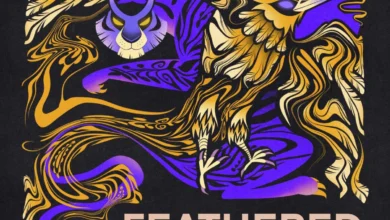
Sitar Virtuoso Purbayan Chatterjee and Snarky Puppy Guitarist Mark Lettieri Bridge Continents with Collaborative Album Feathered Creatures

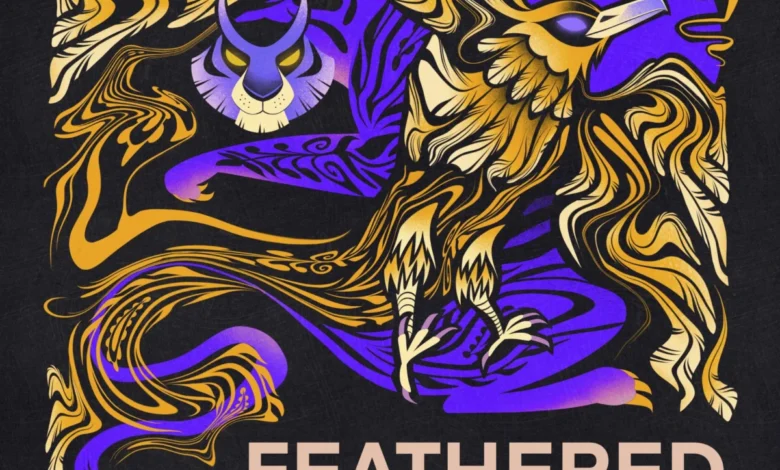
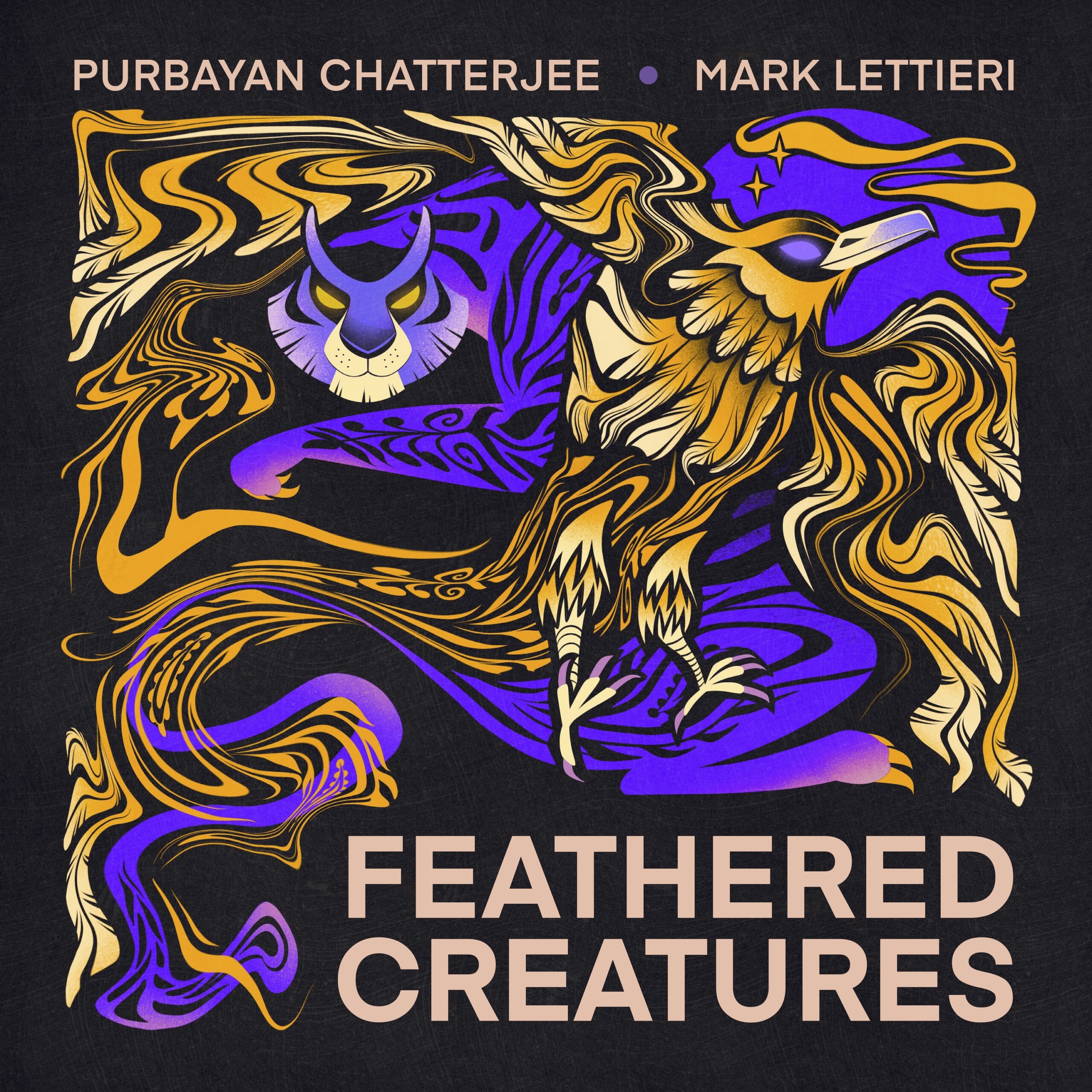
The intersection of Eastern classical traditions and Western contemporary fusion has found a new, definitive expression in the release of Feathered Creatures, a collaborative project spearheaded by Indian sitar master Purbayan Chatterjee and American guitarist Mark Lettieri. The genesis of this cross-continental partnership dates back to a high-profile tour stop in India by the acclaimed jazz-fusion collective Snarky Puppy. During the visit, Chatterjee joined the ensemble on stage, delivering a performance that fundamentally altered Lettieri’s perception of the sitar. Lettieri, a five-time Grammy Award winner known for his intricate fretwork and membership in both Snarky Puppy and The Fearless Flyers, described himself as "gobsmacked" by the encounter. Observing Chatterjee’s ability to treat the ancient instrument with the fluidity and aggression of an electric guitar, Lettieri noted that he had never heard the sitar played with such a modern, high-energy sensibility. This initial spark of mutual admiration blossomed into a remote recording project that now stands as a testament to the borderless nature of 21st-century music production.
The Genesis of a Global Collaboration
The collaboration between Chatterjee and Lettieri did not begin in a sterile studio environment but rather in the heat of a live performance. When Snarky Puppy toured India, the band—known for their "live-at-the-moment" ethos—invited local luminaries to join their ranks. Purbayan Chatterjee, a descendant of the Senia Maihar Gharana and a student of the legendary Ustad Ali Akbar Khan, brought a level of technical mastery that transcended traditional classical boundaries. Chatterjee has long been a proponent of "world fusion," having previously worked with artists like Shankar Mahadevan and various international jazz musicians. However, his interaction with Lettieri represented a specific convergence of two different "guitar" cultures: the microtonal, sympathetic-string resonance of the Indian sitar and the precision-engineered, groove-heavy output of the American electric guitar.
A year after their initial meeting, as Chatterjee began conceptualizing a new body of work, he reached out to Lettieri to formalize their partnership. The logistics of the project were shaped by the modern digital landscape. Rather than traditional in-person sessions, the duo, alongside keyboardist and producer Nakul Chugh, utilized asynchronous recording techniques. Parts were tracked in home studios across different time zones and continents, then digitally exchanged and layered. This method allowed for a meticulous construction of soundscapes that might have been difficult to capture in a standard live session, enabling the artists to experiment with textures, electronic beats, and complex polyrhythms.
Sonic Architecture and "Soar"
The lead track of the project, "Soar," serves as a definitive blueprint for the album’s overarching aesthetic. The composition begins with an ethereal, minimalist introduction featuring acoustic piano and airy, wordless vocal textures that establish a sense of vast, open space. As the track progresses, it transitions from this atmospheric opening into a driving, rhythmically dense arrangement. Chatterjee’s sitar work on the track is characterized by "cheery, uplifting runs" that demonstrate his immense dexterity. Unlike traditional raga performances which may favor a slow, meditative buildup (alap), "Soar" moves with the urgency of electronic dance music (EDM) and the complexity of progressive rock.
Nakul Chugh’s role as the keyboardist and co-architect of the sound cannot be understated. His contributions provide the "sonic palette" that bridges the gap between Chatterjee’s traditional melodic lines and Lettieri’s Western harmonic structures. The use of electronic-inspired beats provides a steady pulse over which the sitar can sprint, while Lettieri provides a textured backdrop. His guitar work is often "low-in-the-mix," acting as a rhythmic and atmospheric anchor that allows the sitar to take center stage while maintaining a distinctively "prog-rock" edge. This layering creates a "ghostly" vocal effect and a shimmering wall of sound that feels both ancient and futuristic.
Honoring a Legacy: The Tribute to Zakir Hussain
A significant highlight of Feathered Creatures is the track "Hibiscus," which serves as a dedicated tribute to the late tabla master and global music pioneer, Zakir Hussain. While Hussain remains a living legend, his "late" status in the context of the track refers to the lineage of innovators who paved the way for this specific brand of Indo-Jazz fusion. Hussain was a foundational figure in projects like Shakti, which first brought together the worlds of Hindustani and Carnatic music with Western jazz in the 1970s.
By dedicating "Hibiscus" to Hussain, Chatterjee and Lettieri acknowledge the historical shoulders upon which they stand. The track mirrors Hussain’s own philosophy of music as a universal language, blending intricate Eastern percussion patterns with the harmonic sophistication of the West. This tribute underscores the album’s intent: it is not merely a collection of songs but a continuation of a decades-long dialogue between two distinct musical hemispheres. The inclusion of such a tribute provides the album with a sense of gravity and historical context, situating Feathered Creatures within a lineage of prestigious cross-cultural collaborations.
Technical Analysis and Genre Fluidity
The technical proficiency required to execute Feathered Creatures is substantial. The sitar, an instrument rooted in the 72 melakarta scales and various ragas, operates on a different tuning system than the Western tempered scale of the electric guitar. Bridging these two requires a deep understanding of pitch and frequency. Chatterjee’s ability to bend notes (meend) to hit the "blue notes" of jazz and rock allows his sitar to mimic the expressive qualities of a Fender Stratocaster or a Gibson Les Paul. Conversely, Lettieri’s background in funk and fusion allows him to adapt his rhythmic "pocket" to accommodate the complex tala (rhythmic cycles) inherent in Indian music.
The album also draws heavily from the world of EDM and progressive rock. The use of synthesizers and programmed percussion provides a modern framework that prevents the music from feeling like a standard "world music" cliché. Instead, it feels like a contemporary fusion record that happens to feature a sitar as a primary voice. The "invigorating blend of cultures" described by the artists is the result of this refusal to stay within traditional genre lanes. By incorporating Nakul Chugh’s "ministrations" on the keys, the trio ensures that the record maintains a high level of production value, catering to audiences who appreciate both the raw skill of live instrumentation and the polished finish of modern studio craft.
Chronology of Production
The timeline of Feathered Creatures reflects the resilience of the creative spirit in an era of global connectivity.
- Initial Meeting (The Spark): Snarky Puppy’s India tour, where Chatterjee and Lettieri first shared a stage.
- The Proposal: Approximately twelve months later, Chatterjee initiated the concept of a collaborative album, reaching out to Lettieri via digital channels.
- The Development Phase: Over several months, files were exchanged between India and the United States. This phase involved Chugh and Chatterjee developing the melodic cores of the tracks, which were then sent to Lettieri for guitar layering and harmonic expansion.
- Final Production: The mixing and mastering phase focused on balancing the organic resonance of the sitar with the processed sounds of the electric guitar and keyboards.
- Release: The resulting album, Feathered Creatures, was released to critical acclaim, marketed as a "discovery" for fans of both the GroundUP Music label (associated with Snarky Puppy) and the Indian classical circuit.
Broader Impact and Implications for the Industry
The success of Feathered Creatures signals a broader shift in the global music industry. As digital recording technology becomes more accessible and high-speed internet facilitates instantaneous file sharing, the barriers to international collaboration have all but vanished. This project demonstrates that a world-class album can be produced without the participants ever being in the same room, provided there is a strong shared vision and mutual respect for each other’s craft.
Furthermore, the album challenges the "World Music" label, a term often criticized for being overly broad or reductive. Feathered Creatures is more accurately described as a "global fusion" or "transnational jazz" record. It proves that the sitar is not a relic of the past or a "special effect" to be used for psychedelic texture, but a versatile lead instrument capable of holding its own in a high-octane rock or jazz environment. For Mark Lettieri, the project expands his already diverse portfolio, proving his adaptability as a session player and collaborator. For Purbayan Chatterjee, it reinforces his status as a modernizer of the Indian classical tradition, reaching new audiences in the West who may have previously been unfamiliar with the sitar’s capabilities.
Ultimately, Feathered Creatures is a celebration of what happens when artists remain open to the "gobsmacking" moments of discovery. By looking past geographical borders and stylistic constraints, Chatterjee, Lettieri, and Chugh have created a work that is as intellectually stimulating as it is sonically beautiful, ensuring that the legacy of Indo-Western fusion continues to soar into new, uncharted territories.