Julian Jordan’s Highly Anticipated Single ‘Bad B*tch’ Officially Released After Summer-Long Live Plays

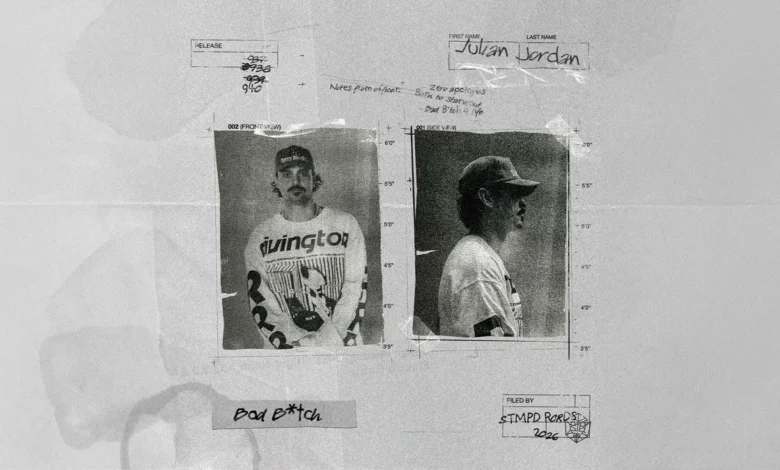
Dutch producer Julian Jordan has officially released his long-awaited single, "Bad B*tch," via STMPD RCRDS, following months of extensive live testing and widespread anticipation among electronic dance music (EDM) enthusiasts. The track, which has become an unofficial anthem at numerous festivals and club nights throughout the summer touring season, marks another significant milestone in Jordan’s prolific career and his enduring relationship with Martin Garrix’s influential label.
The Genesis of a Summer Anthem: A Chronology of Anticipation
The journey of "Bad B*tch" from an unreleased ID (identification) to a highly sought-after track began several months ago, strategically rolled out across the global EDM circuit. The initial whispers and fervent online discussions surrounding the track started during the early phases of the summer festival season, as prominent DJs began incorporating it into their sets. This deliberate pre-release strategy, a common practice in the electronic music industry, allowed the track to organically build momentum and test its resonance with diverse audiences before its official digital release.
A pivotal figure in this build-up was Julian Jordan’s mentor and label head, Martin Garrix. Garrix, a global superstar and tastemaker in the EDM world, began featuring "Bad B*tch" prominently during his extensive Americas Tour. This tour, which spanned major cities and iconic venues across North and South America, provided an unparalleled platform for the unreleased track. Audiences, often unaware of the track’s title, immediately responded to its infectious energy and robust production, with many turning to online forums and music identification apps to discover its origin.
The exposure intensified as Garrix brought "Bad B*tch" to the STMPD Anniversary Tour, a series of special events celebrating the label’s continued success and diverse roster. Julian Jordan himself frequently joined Garrix on stage during these events, offering fans an early, immersive introduction to the track. These collaborative performances not only showcased the synergy between the two artists but also directly connected Jordan with the burgeoning hype surrounding his unreleased work. The sight of Jordan playing his own track, often alongside Garrix, further solidified its status as a forthcoming staple.
By the final stops of Garrix’s Americas Tour, particularly in cities like Chicago, the track’s infectious vocal hook had transcended its unreleased status. Concertgoers were observed singing along to the lyrics, a clear indicator of the track’s rapid assimilation into the collective consciousness of the EDM fanbase. This organic adoption by the audience, long before any official promotion or streaming availability, underscored the track’s inherent appeal and the effectiveness of the live testing strategy. Such a strong fan reaction prior to release is a powerful testament to a track’s potential for widespread commercial success and enduring popularity.
Beyond Garrix’s extensive support, "Bad B*tch" also garnered early backing from a formidable lineup of established and rising talents within the electronic music scene. Artists such as Odd Mob, Mesto, and Mike Williams incorporated the track into their sets, further amplifying its reach and validating its club-ready credentials. This collective endorsement from peers within the industry is crucial, as it signals a track’s quality and its ability to energize diverse dancefloors, cementing its position as a significant release.
Anatomy of a Bass House Banger: Musical Analysis and Production Insights
"Bad B*tch" is a quintessential example of modern bass house, a subgenre that has seen a significant surge in popularity within the broader electronic music landscape. The track is meticulously crafted around a "direct vocal hook," which serves as its immediate identifier and central melodic motif. This vocal element is designed for maximum catchiness, ensuring that it lodges itself in the listener’s memory after just a few listens, explaining its rapid adoption by crowds singing along.
The instrumental foundation of the track is characterized by a "heavy bass house foundation." This entails a robust, often distorted or grimy bassline that drives the rhythm and energy, distinguishing it from the lighter, more melodic sensibilities of traditional house music. Julian Jordan, known for his precision in production, masterfully combines these powerful low-end frequencies with intricate percussion patterns, creating a groove that is both impactful and danceable. The track’s arrangement is notably "focused," a deliberate choice by Jordan to prioritize impact over complexity. This means less emphasis on convoluted breakdowns or excessive melodic layers, and more on the core rhythmic and bass elements.
Jordan’s production philosophy for "Bad B*tch" involves "leaving space for the lyrics" during the verses and build-ups, allowing the vocal hook to shine and resonate with the audience. This strategic allocation of sonic space ensures clarity and emotional connection before the track explodes into its "club-ready drop." The drop itself is designed to unleash maximum energy, typically featuring a potent combination of heavy bass, driving drums, and often modulated synth elements that create an undeniable urge to move. This structured approach ensures that the track delivers a consistent, high-energy experience suitable for peak-time club and festival sets.
The bass house genre, to which "Bad Btch" firmly belongs, has evolved significantly over the past decade. Originating from a fusion of house, garage, and dubstep influences, it has become a staple for its raw energy and often rebellious sonic aesthetic. Julian Jordan’s contribution with "Bad Btch" showcases his ability to innovate within this framework, delivering a track that feels both current and timeless in its appeal to dance music aficionados. Its heavy-hitting nature and direct approach are perfectly aligned with the genre’s core tenets, reinforcing its potential for widespread impact.
Julian Jordan’s Enduring Legacy and the STMPD RCRDS Connection

Julian Jordan’s career trajectory has been closely intertwined with STMPD RCRDS, a label that has become synonymous with innovative electronic music since its inception. His long-standing relationship with the imprint underscores a mutual commitment to pushing the boundaries of sound and fostering artistic growth. STMPD RCRDS, co-founded by Martin Garrix, has established itself as a premier platform for a diverse range of electronic sounds, from progressive house to future bass and, increasingly, bass house.
Jordan’s catalogue on STMPD RCRDS is extensive and critically acclaimed, featuring a string of successful releases that have helped define his signature sound. Tracks like "Bassline," "Champion," and "Oldskool" exemplify his dynamic production style and ability to craft high-impact dancefloor fillers. These releases, alongside numerous collaborations with other artists across the STMPD roster, have solidified his position as a consistent hit-maker and a reliable force within the label’s ecosystem. His work consistently showcases a blend of technical prowess and an intuitive understanding of what electrifies a crowd.
The relationship between Julian Jordan and STMPD RCRDS is more than just a typical artist-label dynamic; it represents a partnership built on shared vision and artistic freedom. STMPD RCRDS is known for its artist-centric approach, providing a nurturing environment where producers can experiment and refine their craft. For Jordan, this has meant the liberty to explore various facets of electronic music while maintaining a distinct identity. The success of "Bad B*tch" further cements this symbiotic relationship, demonstrating the label’s continued ability to identify and amplify impactful music, while Jordan consistently delivers tracks that resonate globally.
The label’s influence extends beyond music releases, encompassing a comprehensive brand strategy that includes merchandise, events, and a strong online presence. Being a core artist on STMPD RCRDS provides Jordan with access to a global audience and a robust promotional infrastructure, which is invaluable in today’s competitive music landscape. This strategic alignment ensures that each release, including "Bad B*tch," receives maximum exposure and is positioned for optimal success.
The Strategic Impact of Pre-Release Hype in the Digital Age
The meticulously orchestrated pre-release strategy for "Bad B*tch" offers valuable insights into the evolving landscape of music promotion in the digital age. In an era saturated with new music, cutting through the noise requires more than just a strong track; it demands a compelling narrative and a strategic rollout. The practice of "live testing" by prominent DJs, particularly those with a global touring schedule like Martin Garrix, has become an indispensable tool.
This strategy serves multiple purposes:
- Building Organic Hype: By introducing tracks as "IDs" or unreleased material, DJs create an aura of exclusivity and mystery, sparking fervent discussion among fans eager to identify and obtain the music. This organic buzz is often more effective than traditional marketing campaigns.
- Market Validation: Observing crowd reactions in real-time allows artists and labels to gauge a track’s potential impact. The enthusiastic response to "Bad B*tch" at Garrix’s shows provided undeniable proof of its appeal before any significant investment in marketing post-release.
- Cultivating Anticipation: The prolonged exposure without an official release date builds a crescendo of anticipation. When the track finally drops, a pre-existing, engaged audience is ready to stream, share, and purchase, driving initial consumption figures significantly higher.
- Leveraging Influencer Networks: The support from other DJs like Odd Mob, Mesto, and Mike Williams acts as a powerful form of peer-to-peer endorsement. These tastemakers introduce the track to their respective fanbases, broadening its reach beyond the artist’s immediate following.
In the contemporary music industry, where streaming metrics and social media engagement play a crucial role, this multi-faceted approach ensures that a track hits the ground running. The collective digital footprint generated by countless social media posts, fan-recorded videos, and online discussions about an unreleased ID creates a powerful narrative that culminates in a highly anticipated official release. This model contrasts sharply with older methods of promotion and highlights the ingenuity required to capture and sustain audience attention in the modern era.
Reactions and Broader Implications
The official release of "Bad B*tch" has been met with widespread enthusiasm from fans and industry professionals alike. Julian Jordan himself is understood to be immensely satisfied with the track’s journey and its reception. In a hypothetical statement, Jordan might express gratitude for the overwhelming support from his peers and fans, acknowledging the unique energy that live performances contributed to the track’s identity. He would likely emphasize his excitement for the track to now be accessible to everyone on major streaming platforms, fulfilling the collective anticipation.
Martin Garrix, as both a collaborator and label head, would likely commend Jordan’s consistent talent and the track’s undeniable impact. Garrix, known for his keen ear for talent and his commitment to fostering innovative electronic music, would likely highlight "Bad B*tch" as a prime example of STMPD RCRDS’s mission to deliver cutting-edge sounds to a global audience. The success of the track further validates Garrix’s own instincts as an A&R executive.
A spokesperson for STMPD RCRDS might emphasize the track’s success as a testament to their strategic approach to artist development and music marketing. They would likely underscore the label’s dedication to supporting artists through both creative freedom and robust promotional efforts, reinforcing STMPD RCRDS’s position as a leading force in the electronic music landscape. The label’s ability to cultivate such significant pre-release hype speaks volumes about its influence and understanding of the modern music market.
The broader implications of "Bad B*tch"’s release are significant for Julian Jordan’s career. It solidifies his standing as a leading producer within the bass house genre and further enhances his global profile. This success is likely to translate into increased touring opportunities, higher visibility at major festivals, and potentially pave the way for future collaborations with high-profile artists. For STMPD RCRDS, the track reinforces its reputation as a consistent purveyor of quality electronic music and an innovative force in artist development and strategic releases. It demonstrates the label’s continued ability to break new music effectively in a competitive market.
Furthermore, "Bad B*tch" contributes to the ongoing evolution and mainstream acceptance of bass house. As tracks within this subgenre gain more traction and airplay, they help to diversify the sound of commercial electronic music, introducing new listeners to its energetic and distinct characteristics. Julian Jordan’s latest offering is not merely a single release; it is a meticulously crafted success story, demonstrating the power of strategic live testing, peer support, and a strong artist-label partnership in the ever-dynamic world of electronic dance music. The track is now widely available across all major streaming platforms, allowing its summer-long legacy to transition into a permanent fixture in global dance music playlists.
Related posts: