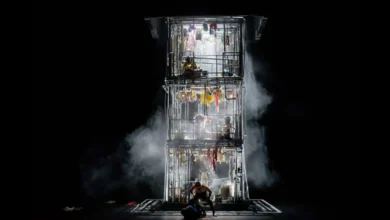
Masterworks of Oakville Chorus and Orchestra to Present Monumental Collaboration of Orff and Brahms in Oakville

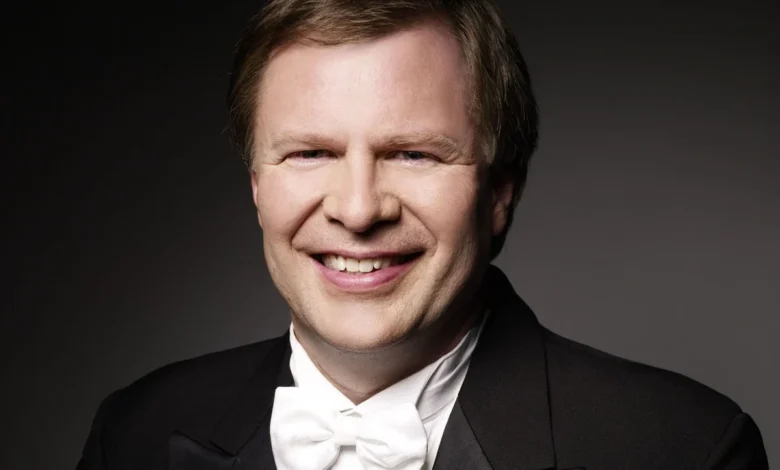
The suburban arts landscape of the Greater Toronto Area is set to host one of its most ambitious musical undertakings of the season as the Masterworks of Oakville Chorus and Orchestra prepares to stage Carl Orff’s "Carmina Burana." This large-scale production, scheduled for May 30 and May 31 at St. Matthew Catholic Church in Oakville, represents a significant milestone for the regional arts community, bringing together a massive assembly of over 180 performers. Under the baton of Artistic Director Charles Demuynck, the program will not only feature Orff’s 20th-century masterpiece but will also include profound choral works by Johannes Brahms, creating a thematic exploration of fate, destiny, and the human condition.
The upcoming performances serve as a grand-scale collaboration between several of Southern Ontario’s most established vocal ensembles. Joining the Masterworks of Oakville are the Georgetown Bach Chorale, the Bach Elgar Choir of Hamilton, and the Oakville Choir for Children and Youth. This multi-generational and multi-regional alliance underscores the logistical and artistic complexity of the project, requiring months of coordinated rehearsals to synchronize a full orchestra with a massed choir of nearly 200 voices. The inclusion of a children’s choir is particularly noteworthy, as it fulfills the specific "ragazzi" vocal requirements stipulated in Orff’s original score, adding a layer of tonal purity to the work’s more visceral movements.
A Thematic Exploration of Fortune and Fate
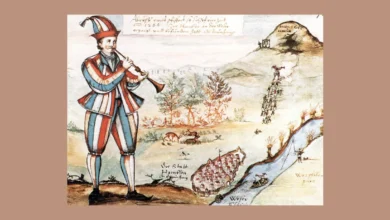
The centerpiece of the concert, "Carmina Burana," is arguably one of the most recognizable works in the classical canon. Composed by Carl Orff between 1935 and 1936, the cantata is based on a collection of 24 medieval poems found in the Benedictine monastery of Benediktbeuern in Bavaria. These texts, written in a mix of Latin, Middle High German, and Old French, cover a wide range of secular topics: the fickleness of fortune and wealth, the ephemeral nature of life, the joy of the return of spring, and the pleasures and perils of drinking, gluttony, gambling, and lust.
Artistic Director Charles Demuynck has curated the program to provide a philosophical dialogue between Orff’s work and the compositions of Johannes Brahms. Specifically, the inclusion of Brahms’ "Schicksalslied" (Song of Destiny), Op. 54, offers a Victorian-era perspective on the same themes found in the medieval texts. Based on a poem by Friedrich Hölderlin, "Schicksalslied" contrasts the blissful, eternal existence of the gods with the chaotic, suffering-filled life of humanity, which is tossed like water from cliff to cliff.
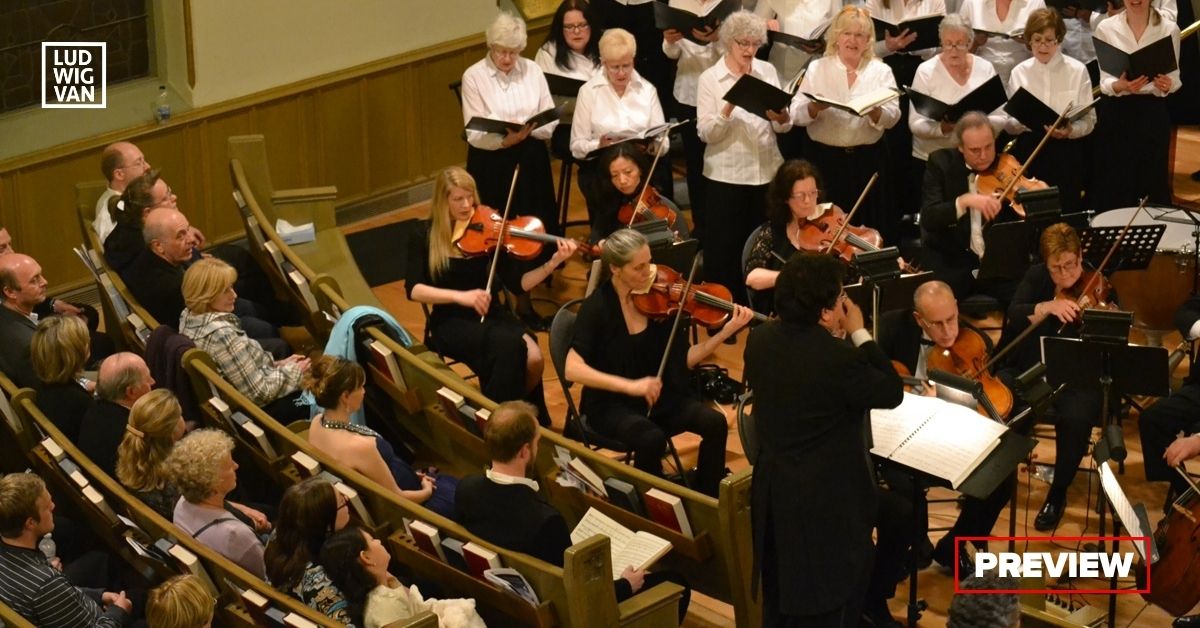
"This is an especially exciting performance for us," Demuynck stated during the announcement of the program. He noted that while Masterworks of Oakville performed "Carmina Burana" fifteen years ago, the pairing this time with Brahms provides a deeper intellectual resonance. "Song of Destiny is on a similar poetic theme as the famous first movement of Carmina Burana—the Wheel of Fortune, which lifts us up and throws us down by turns." This thematic consistency allows the audience to witness how two vastly different eras of music—the Romanticism of the 19th century and the Primitivism of the 20th century—grapple with the uncontrollable forces of the universe.
Soloists and Artistic Leadership
The production is anchored by a trio of distinguished soloists, led by Canadian baritone Kevin McMillan. A Grammy Award winner, McMillan brings a historical connection to the work, having won his Grammy for a recording of "Carmina Burana" with the San Francisco Symphony under the direction of Herbert Blomstedt. His participation lends a level of international prestige to the Oakville production, providing the ensemble with a seasoned interpreter of Orff’s demanding baritone range, which requires both lyrical sensitivity and powerful declamation.
Joining McMillan is soprano Clodagh Earls, a native of Oakville whose return to her home city marks a celebratory moment for the local community. Earls has established herself as a versatile performer in the Canadian opera and concert scene, and her role in "Carmina Burana" requires a soaring, ethereal quality, particularly in the "Cours d’amours" section of the work. The soloist trio is completed by tenor Chris Fischer, who is tasked with the notoriously difficult "Olim lacus coluerat"—the aria of the roasted swan—which requires the singer to utilize a high falsetto to depict the swan’s lament.
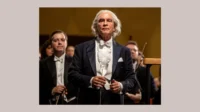
At the helm of this massive assembly is Charles Demuynck, whose career spans decades of conducting across North America and Europe. Demuynck, who holds a doctorate from the Hartt School at the University of Hartford and degrees from the University of Toronto and the Peabody Conservatory, has been a fixture in the Oakville music scene since 1994. His leadership of the Oakville Chamber Orchestra and the founding of Masterworks of Oakville in 2005 have been instrumental in elevating the standards of choral and orchestral performance in the Halton region.
The Evolution of Masterworks of Oakville
The Masterworks of Oakville Chorus and Orchestra was founded in 2005 by Demuynck and Joyce Sitarski, alongside a dedicated group of volunteers at St. Andrew’s Catholic Church. Over the past nineteen years, the organization has evolved into an auditioned choir of over 75 singers, known for tackling the "heavyweights" of the choral repertoire. Their past performances include Bach’s "St. Matthew Passion," the "Verdi Requiem," Brahms’ "German Requiem," and Beethoven’s "Symphony No. 9."
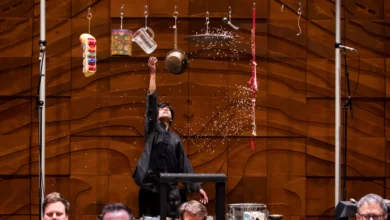
The Masterworks Orchestra operates as a flexible ensemble, primarily composed of dedicated volunteer musicians augmented by professional string principals. This "pro-am" model is a staple of suburban cultural ecosystems, allowing high-level community players to perform alongside seasoned professionals. For this production, the orchestra will be at its full strength to accommodate the heavy percussion and brass requirements of Orff’s score, which is famous for its rhythmic drive and "Stravinskian" intensity.
Institutional Collaboration and Regional Impact
The decision to involve the Bach Elgar Choir of Hamilton and the Georgetown Bach Chorale reflects a growing trend of institutional collaboration in the Canadian arts sector. By pooling resources and voices, these organizations can mount productions that would be financially and logistically impossible for a single community group. The Bach Elgar Choir, one of Hamilton’s oldest and most prestigious choral institutions, brings a seasoned depth to the bass and alto sections, while the Georgetown Bach Chorale adds further vocal weight.
This collaboration also serves as a post-pandemic recovery milestone. Choral singing was one of the most severely impacted art forms during the COVID-19 health crisis due to concerns over aerosol transmission. The assembly of 180 performers in a single venue is a powerful statement of the resilience of the choral community and the return of large-scale public cultural events.
St. Matthew Catholic Church, the venue for the performances, provides an acoustic environment suited for the resonance of a large choir and orchestra. While traditional concert halls offer controlled acoustics, the vaulted ceilings of a large church often enhance the "wall of sound" effect that "Carmina Burana" requires, particularly in the thunderous opening and closing "O Fortuna" movements.
Analysis of Implications
The staging of "Carmina Burana" in Oakville is more than just a local concert; it is an indicator of the decentralization of high culture in Ontario. As the cost of living and venue rentals in downtown Toronto continue to rise, suburban centers like Oakville, Burlington, and Hamilton are increasingly becoming hubs for major classical music events. The ability of a local organization to attract a Grammy-winning soloist like Kevin McMillan suggests that the "commuter belt" of the GTA is developing its own self-sustaining cultural gravity.
Furthermore, the program’s focus on the "Wheel of Fortune" and the "Song of Destiny" may resonate deeply with contemporary audiences. In an era characterized by global instability and rapid change, the medieval and romantic reflections on the unpredictability of life offer a form of catharsis. Orff’s music, with its repetitive, almost hypnotic rhythms, has often been described as "visceral" and "pagan," providing a stark contrast to the more intellectualized choral traditions of the 18th century.
Conclusion and Performance Schedule
As the Masterworks of Oakville Chorus and Orchestra enters the final weeks of preparation, the logistical scale of the event remains its most impressive feature. Coordinating 180 voices and a full orchestral contingent requires a level of precision that mirrors the rhythmic complexity of the music itself. For the audience, the performance promises to be a rare opportunity to hear these works performed with the massive forces for which they were intended.
The performances are scheduled for Friday, May 30, and Saturday, May 31. Tickets and further information are available through the Masterworks of Oakville’s official channels. As the community gathers at St. Matthew Catholic Church, the "Wheel of Fortune" will once again turn, bringing the ancient texts of Benediktbeuern to life through the voices of Oakville and its neighbors.