Dominic Athanassiou On Forging Your Own Path in Music PR And Mastering Niche Subcultures

The modern music industry presents a complex labyrinth for aspiring professionals, characterized by fierce competition, shrinking traditional media outlets, and a rapidly shifting digital landscape. For those drawn to the margins of the musical spectrum—such as metal, dark electronic, and avant-garde genres—the traditional pathways to career success often prove inadequate. Navigating this hyper-specialized terrain requires a distinct strategic approach, one that prioritizes self-starting entrepreneurship, deep community immersion, and transferable skills over conventional corporate job applications.
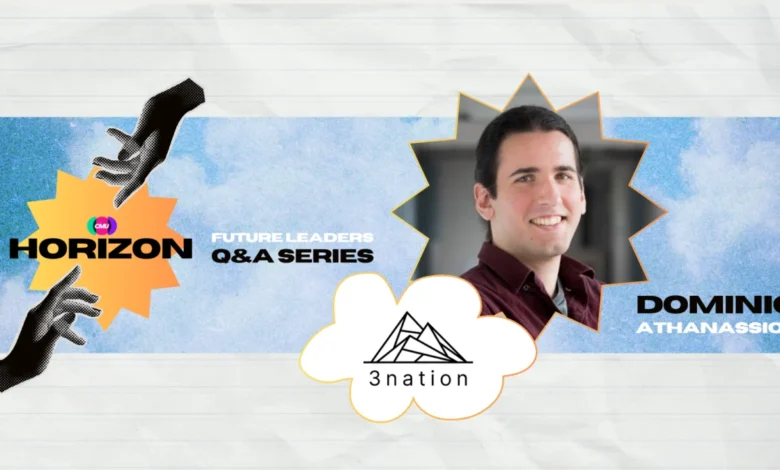
As part of the ongoing Horizon series—an initiative connecting current and next-generation music industry leaders to share candid career insights—Dominic Athanassiou, founder of the boutique PR agency 3nation, offers a blueprint for carving out a sustainable career on one’s own terms. Over the past five years, Athanassiou has built a reputation for steering campaigns that defy mainstream radio formats and commercial playlisting, managing everything from international black metal destinations to avant-garde icons, while highlighting the changing realities of contemporary music promotion.
Main Facts and the Genesis of 3nation
Founded five years ago, 3nation operates at the intersection of music, culture, and technology. While the agency handles a diverse roster that includes corporate B2B organizations and fintech-adjacent enterprises, its core heartbeat remains firmly rooted in the underground. Athanassiou specializes in genres that typically lack mainstream commercial appeal, including extreme metal, dark electronic soundscapes, and avant-garde compositions.
Running a PR campaign for an avant-garde artist or a niche extreme metal festival demands a starkly different playbook than promoting a pop crossover act. Rather than relying on broad-stroke mainstream exposure, Athanassiou’s approach relies on hyper-targeted visibility. This methodology has yielded significant results, including orchestrating the multi-year PR strategy that helped transform the UK’s Fortress Festival into an internationally recognized destination black metal event. Other notable milestones include leading campaigns for avant-garde icon Jarboe, formerly of the influential experimental rock group Swans, and securing a prestigious BBC World Service radio documentary slot for the British-Iranian metal band Trivax.
Despite the underground focus, Athanassiou’s strategies frequently bridge the gap to tier-one media outlets. He has successfully secured major coverage for niche clients across prominent platforms such as the BBC and The Guardian. This ability to translate unconventional, extreme, or challenging art into narratives digestible for mainstream journalists underscores the core competency required in modern music publicity: contextualization.
Chronology and Early Career Development
Athanassiou’s journey into the music industry began long before he acquired a formal job title or stepped foot on a university campus. During his final year of school, he established MetalRecusants, a digital music review publication. What began as a modest passion project gradually expanded into a respected international media outlet, supported by a global network of contributors, writers, and photographers.
Running MetalRecusants served as an immersive, boot-camp-style education in the mechanics of the music business. By interacting daily with publicists, record label executives, and artists, Athanassiou gained a granular understanding of how music is marketed, reviewed, and disseminated. This digital venture laid the groundwork for his transition into freelance PR work during his university years, where he leveraged the relationships he had cultivated as a publisher to secure early paid commissions.
Long before launching a digital publication, however, Athanassiou was deeply embedded in his local underground live music community. His grassroots involvement included attending countless local concerts, befriending emerging artists, filming live performances on a consumer camcorder, and managing early digital community profiles such as Last.fm pages. These early, unpaid acts of support eventually formalized into professional promotion as his confidence and administrative capabilities grew.
Supporting Data and the Evolving Industry Landscape
The contemporary music industry exists within a paradoxical framework. On one hand, entering the professional arena has arguably never been more difficult due to heightened competition for entry-level vacancies and corporate consolidation. On the other hand, the barrier to entry for creating one’s own platform and brand has plummeted dramatically.
Aspiring professionals no longer require expensive physical infrastructure, traditional printing budgets, or legacy media backing to make an impact. The proliferation of digital publishing tools—such as Substack newsletters, specialized Instagram curation accounts, dedicated podcasts, and professional networking networks like LinkedIn—allows individuals to build engaged audiences from scratch.
However, this democratization of media has also introduced significant friction. Traditional music journalism is undergoing a structural contraction, with legacy print magazines and digital outlets either scaling down operations or shutting down entirely. Simultaneously, music journalists and editors are inundated with an unprecedented volume of daily press releases, promotional emails, and digital streaming links.
To cut through this dense noise, modern publicists must abandon generic mass-pitching strategies. Athanassiou emphasizes that success in contemporary PR relies heavily on two core principles: hyper-personalized communication tailored to the specific tastes of individual writers, and a diversified media strategy that values independent blogs, niche podcasts, and specialized newsletters just as highly as traditional tier-one publications.
Background Context: The Rise of Niche Subcultures
A defining trend shaping the modern music economy is the growing dominance and resilience of hyper-specialized subcultures over broad, generalist markets. This shift is particularly visible within the live music and festival sectors. In recent years, general-interest music festivals that attempt to cater to broad, eclectic demographics have faced severe economic pressures, organizational struggles, and cancellations.
Conversely, festivals and events built around rigorous, highly specific subgenres have demonstrated remarkable stability and audience loyalty. Athanassiou points to extreme metal as a prime example of this dichotomy. While broad-spectrum rock and metal festivals frequently struggle with ticket sales and shifting consumer habits, highly specialized events—such as Fortress Festival focusing exclusively on black metal, or specialized extreme gatherings like Offal Fest focusing on brutal death metal—thrive. These events cultivate intensely dedicated, transnational communities whose members are willing to travel long distances, purchase specialized merchandise, and engage deeply with the culture.
This macro-trend carries profound implications for early-career professionals and entrepreneurs. Rather than striving for universal, mainstream appeal, creators and promoters are increasingly rewarded for leaning into hyper-niche passions, building authoritative expertise in obscure subgenres, and serving dedicated micro-communities.
Strategic Advice for Newcomers
For individuals looking to break into the music industry, Athanassiou’s counsel is pragmatic, patient, and explicitly counter-cultural to the modern obsession with rapid, viral success.
- Reject the Rush for Immediate Music Jobs
Athanassiou advises against stressing over securing a traditional music industry job immediately after completing secondary education or university. Because entry-level music positions are scarce and fiercely contested, early-career professionals should exercise patience and maintain a long-term perspective. If direct music industry employment is unavailable, candidates should seek employment in adjacent sectors—such as technology, finance, corporate communications, or digital marketing—where they can cultivate robust, transferable professional skills.
Athanassiou notes that his detour through the financial technology sector was just as formative to his professional development as his music-focused roles, providing alternative perspectives on business operations, client communication, and strategic planning.
-
Cultivate Passion Projects on the Side
While working day jobs or studying unrelated fields, aspiring professionals should actively build their own passion projects. Whether launching a specialized Substack publication focusing on ambient drone music, curating an Instagram page dedicated to local hardcore punk, or producing a podcast exploring underground electronic subgenres, creating an independent platform demonstrates initiative, work ethic, and authentic engagement. -
Embrace Grassroots Networking
Traditional networking events often foster an artificial, transactional atmosphere characterized by excessive card-handing and superficial interactions. Athanassiou advocates for a more organic approach: treating professional networking like making new friends. Building a few deeply genuine, high-trust relationships within a scene will consistently yield better long-term career dividends than superficially collecting hundreds of business cards. -
Leverage Direct Access at Live Events
The music industry remains fundamentally built on personal presence and community participation. Athanassiou encourages newcomers to actively support local artists by attending shows, conversing with musicians at merchandise tables or venue bars, and offering tangible value in return for access. For instance, aspiring photographers can offer high-quality live performance galleries to bands in exchange for official photo passes, while writers and podcasters can trade reviews for interview access. -
Guard Your Reputation Above All Else
In an interconnected industry where personnel move fluidly between labels, agencies, and streaming platforms, personal reputation is an individual’s most valuable currency. Reliability, kindness, prompt communication, and integrity are characteristics that inevitably leave a lasting impression and open doors over the span of a decades-long career.
Broader Impact and Industry Implications
The trajectory of agencies like 3nation and the career philosophy of practitioners like Dominic Athanassiou signal a broader structural evolution within the global music business. As legacy gatekeepers relinquish their absolute monopoly over taste-making, power is increasingly distributed among independent creators, micro-communities, and specialized entrepreneurs.
For the next generation of industry leaders, the message is clear: waiting for institutional validation or entry-level job openings is a declining strategy. By combining technical versatility acquired across diverse sectors with an authentic, grassroots passion for niche music communities, emerging professionals can build resilient careers that withstand the volatility of traditional media landscapes and thrive within the passionate, enduring ecosystems of the underground.