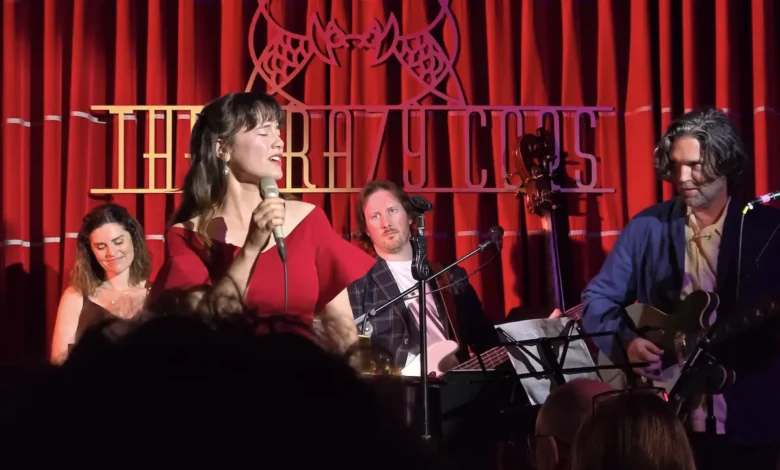
Less than a year ago, the name Frances Madden was largely absent from the broader international music conversation. However, following a series of compelling live performances—most notably at London’s prestigious Crazy Coqs—and a burgeoning collection of digital content, the Sydney-born pianist and vocalist has emerged as a significant figure in the contemporary music landscape. Her artistry acts as a distinct conduit to the sophisticated musical traditions that defined the era between 1900 and 1950, grounding modern audiences in a style that is both nostalgic and invigorated by contemporary sensibilities.
The Formative Years and Early Musical Exposure
Born and raised in Sydney, Australia, Madden’s relationship with music began not through familial performance, but through a deeply immersive environment. While she notes that there was no previous generation of professional musicians in her lineage, her parents fostered an environment rich with diverse influences, ranging from classical compositions to the seminal jazz recordings of Ella Fitzgerald.
This upbringing was marked by a deliberate commitment to musical education. Madden’s parents mandated that each of their children pursue instrumental proficiency. In a departure from the competitive nature often found in musical households, the siblings gravitated toward different instruments naturally, avoiding internal friction. For Madden, the choice was immediate and decisive. Family lore recounts that at just three years of age, she identified the piano as her instrument of choice. By the age of five, she had commenced formal training, a pursuit she describes as a passion rather than a chore.
Chronology of a Rising Career
The trajectory of Madden’s career did not follow a linear path toward stardom; rather, it evolved through stages of academic development and local performance.
- Age 5: Begins formal piano lessons, marking the start of her technical development.
- Age 16: Enters university and makes her debut as a vocalist, performing with a student ensemble consisting of guitarists and drummers in Sydney bars, clubs, and private functions.
- Age 21: Shifts focus toward songwriting, establishing the foundation for her original repertoire.
- Mid-20s: Experiences a pivotal moment of serendipity. Following a difficult gig at a Women’s Club, an audience member—who happened to manage The Basement, Sydney’s premier jazz venue—approached her. This encounter secured her a platform at one of the most respected jazz stages in the country.
- Late 20s: Recognizes a "glass ceiling" in the domestic Australian market and makes the strategic decision to relocate to the United Kingdom to seek international validation and exposure.
- Present Day: Has spent the last four years navigating the London jazz scene, performing at iconic venues such as Ronnie Scott’s and Crazy Coqs, while expanding her footprint into continental Europe and North America.
The Catalyst of Serendipity
Madden’s early professional experiences highlight the precarious nature of the music industry. The anecdote regarding her performance at the Sydney women’s club serves as a case study in the importance of perseverance. Despite performing to a distracted audience, her commitment to the performance caught the attention of a key industry gatekeeper. This transition from a chaotic local club to the stages of The Basement provided the necessary credibility to build a sustainable reputation. This event underscores a broader reality for independent musicians: the necessity of maintaining high standards even in less-than-ideal performance environments.
Technical Versatility and Songwriting Ambitions
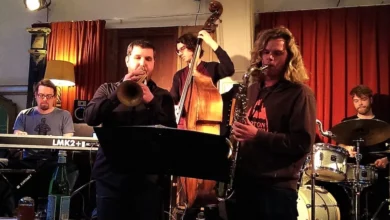
Madden’s musical identity is defined by her role as both a performer and a composer. While she is currently focused on the piano, she is actively exploring the guitar to refine her songwriting process. Her ability to write charts for a full ensemble, including brass sections such as trumpet and saxophone, distinguishes her from many of her contemporaries who rely on backing tracks or standardized arrangements.
Her current professional output is characterized by a dual focus. She maintains high-profile residencies at venues including The Dorchester, The Londoner, and the Brasserie. These roles require a deep knowledge of the Great American Songbook and popular standards to satisfy the expectations of a corporate and leisure clientele. However, Madden’s long-term objective is to shift the industry perception of her work from a "cover artist" to a recognized songwriter.
Current Projects and Future Outlook
Madden is currently in the process of recording her latest studio album. Six tracks have already been completed, with a total of 12 planned for the final release. Her recent participation in intensive five-day songwriting retreats suggests a methodical approach to her craft, aimed at elevating her lyrical and melodic compositions.
Beyond the studio, her schedule remains rigorous. Recent engagements in Nantes, France, and upcoming commitments in Nashville, Tennessee, illustrate a calculated effort to expand her touring reach. While she has yet to undertake a formal, multi-city tour, the infrastructure of her career—supported by a consistent stream of live performances and the development of original material—indicates a transition toward broader commercial viability.
Industry Implications and Market Positioning
The success of Frances Madden in the London jazz scene reflects a wider trend: a resurgence in interest for vocal-led, piano-driven jazz that respects the aesthetic traditions of the mid-20th century while remaining accessible to a modern audience.
From an economic perspective, artists like Madden serve as vital contributors to the hospitality industry. Her residencies at luxury London venues demonstrate the demand for high-caliber, live musical accompaniment that enhances the atmosphere of high-end establishments. However, the challenge for such artists remains the "originality gap." The market for live jazz is often dominated by established standards, which can create a barrier for artists seeking to introduce original compositions.
Madden’s decision to pursue songwriting retreats and prioritize her upcoming album indicates an awareness of this challenge. By diversifying her skill set—incorporating chart-writing for larger ensembles and seeking international exposure—she is positioning herself to transcend the role of a lounge performer and establish a legacy as a recording artist in her own right.
Conclusion
Frances Madden represents a disciplined, classical approach to modern jazz. Her career path, from early childhood curiosity to the stages of London’s most storied jazz clubs, serves as a testament to the power of technical training combined with performance resilience. As she prepares to release her new collection of original music, the industry will be watching to see if she can successfully translate her live success into long-term recognition as a songwriter. Given her current trajectory and the intentionality behind her professional choices, she stands as a notable, rising asset to the contemporary musical landscape.
Related posts: