Choosing the ultimate setlist for a live performance requires a delicate balance of crowd engagement, technical satisfaction, and stylistic variety. Musicians continually debate which tracks translate best from studio recordings to live stages, weighing factors such as tempo, audience familiarity, and improvisational opportunity. An analysis of five distinct tracks across various decades demonstrates how specific arrangements can elevate a live musical performance, turning standard covers into standout moments of a show.
High-Octane Rockabilly: Reimagining Tainted Love
The evolution of popular songs through genre adaptation often breathes new life into familiar compositions. Originally written by Ed Cobb and made famous globally by Soft Cell in their iconic 1981 synth-pop rendition, Ed Cobb’s track underwent a radical transformation in 2010 when Irish singer Imelda May and her then-husband, guitarist Darrel Higham, released a high-octane rockabilly version.
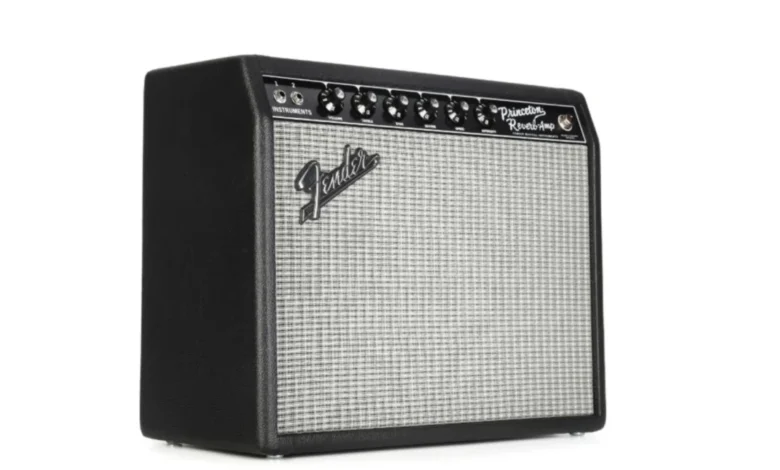
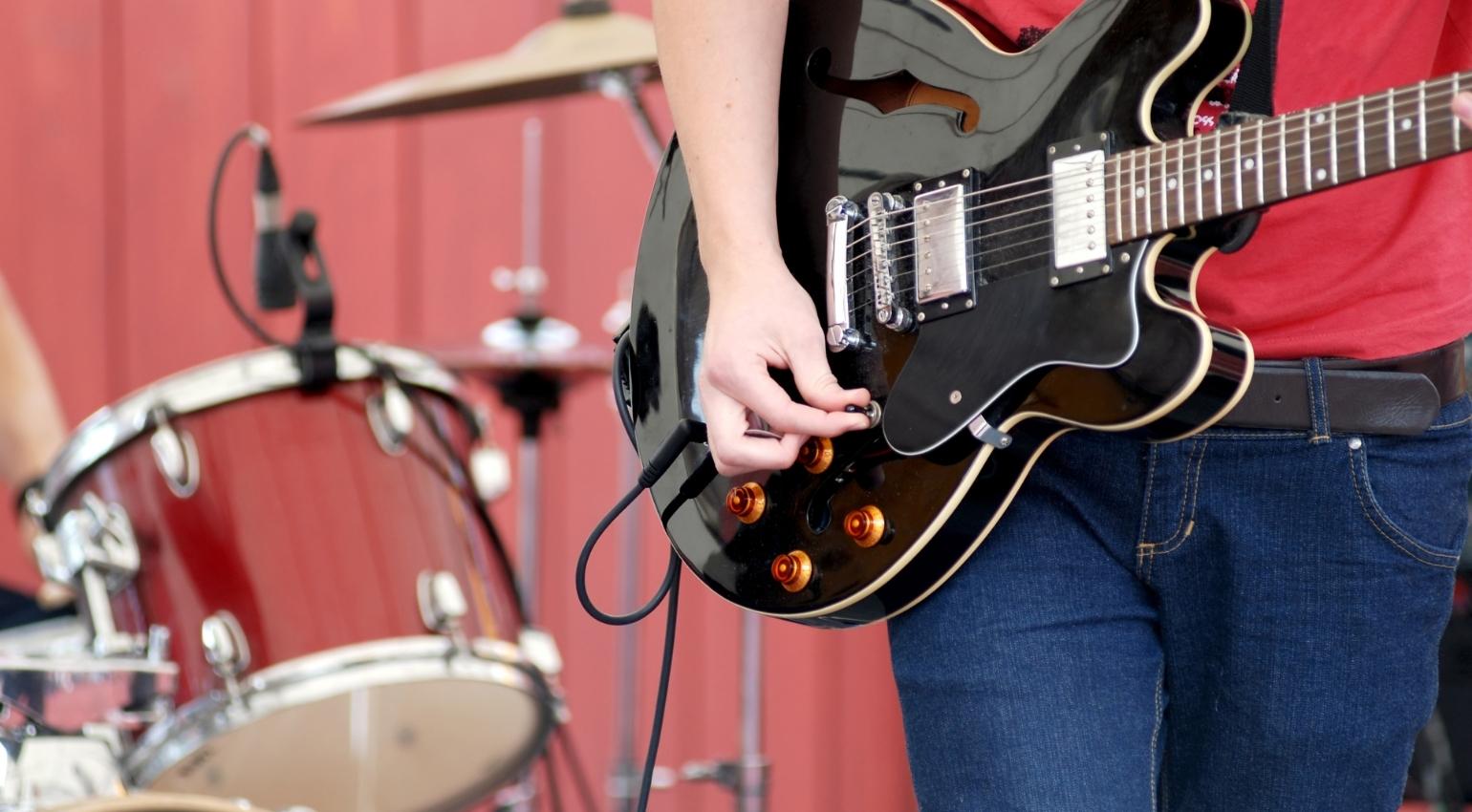
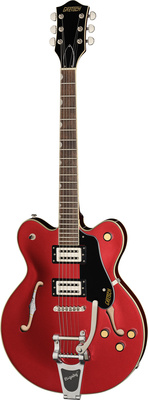
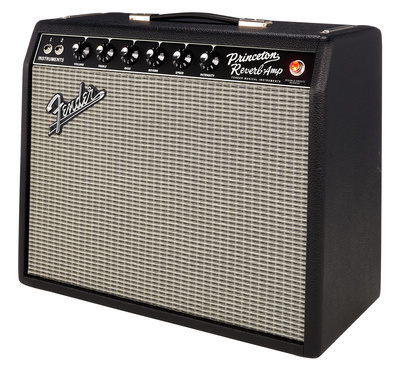
This interpretation shifts the tempo to a blistering 174 beats per minute and transposes the key from G to A, injecting an immediate surge of kinetic energy. From a performance perspective, the arrangement offers a textbook example of audience interaction. The syncopated rhythm naturally invites crowd participation during the familiar vocal breaks, a technique that consistently resonates in live environments. For guitarists, executing the style relies heavily on traditional gear configurations. Utilizing a semi-hollowbody instrument, such as a Gretsch center-block electric guitar, paired with a tube amplifier featuring genuine spring reverb and slap-back delay, achieves the authentic 1950s slap-back echo essential for the genre’s distinct sonic footprint.
Late-Seventies Edge: The Craftsmanship of Heartbreaker
Moving into the late 1970s, the landscape of rock performance gained a formidable entry with Pat Benatar’s breakout track "Heartbreaker." Often utilized by touring tribute ensembles and classic rock revues to establish immediate authority, the track stands as a masterclass in heavy riff-driven arrangements.
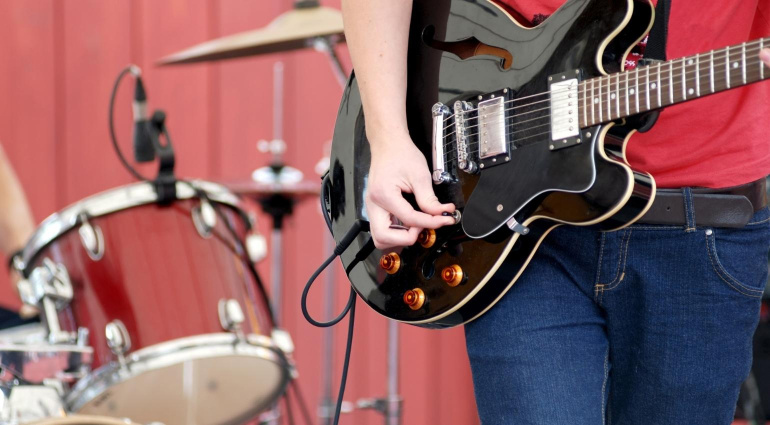
Set in the key of F minor, the song relies on chunky, aggressive power chords that demand absolute rhythmic precision from a backing band. One of the primary performance challenges—and subsequent rewards—lies within the syncopated breakdown preceding the a cappella bridge. Locking in these intricate rhythmic shifts requires intense rehearsal discipline, yielding a deeply satisfying tightness on stage. The composition culminates in an expansive F minor pentatonic guitar solo, providing lead players ample room for expressive execution. While casual audiences may not universally recognize the opening notes compared to mainstream radio staples, the sheer intensity and technical precision of a well-executed cover command immediate respect from music aficionados.

Arena Anthems: The Timeless Appeal of Glam Rock
No discussion of crowd-pleasing live music is complete without examining the stadium-filling legacy of 1980s glam metal. Bon Jovi’s "You Give Love A Bad Name," released in 1986, remains a foundational pillar of rock radio, karaoke bars, and live cover sets worldwide.
The structural integrity of the track provides a blueprint for commercial songcraft: a commanding guitar intro, driving verses, an explosive chorus, a dynamic bridge, and a virtuosic solo crafted by Richie Sambora. For working bands, the composition offers high reward with moderate complexity; the rhythm section can maintain a solid, driving groove while the audience essentially assumes vocal duties during the ubiquitous chorus lines. Guitarists navigating the demanding solo sections frequently turn to super-strat configurations equipped with floating tremolo systems, such as Floyd Rose bridges, and stainless steel frets to manage the rapid string-bending and dive-bombs characteristic of the genre.
Orchestral Pop to Pub Favorite: ELO’s Mr. Blue Sky
Integrating unconventional instrumentation into a standard rock lineup presents a unique set of logistical challenges for live performers. Electric Light Orchestra’s 1977 masterpiece "Mr. Blue Sky" serves as a prime example of a sophisticated, multi-layered composition that requires specialized personnel—specifically a proficient keyboard player capable of replicating intricate string and synth arrangements, alongside a dedicated vocalist willing to tackle complex vocal harmonies.
While tracks like "Don’t Bring Me Down" achieved higher chart positions upon release, "Mr. Blue Sky" holds a unique nostalgic power over modern audiences. Uniquely, crowds frequently sing along with the verses just as enthusiastically as the chorus, particularly the iconic lines welcoming listeners into the composition’s optimistic narrative. For guitarists, the brief yet melodic solo found shortly after the first chorus provides an ideal canvas for utilizing the classic "Woman Tone"—achieved by rolling off the tone knob on the neck pickup—to emulate the warm, vocal-like sustain heard on the original recording.

Disco-Infused Rock Fusion: ABBA’s Gimme! Gimme! Gimme!
The late 1970s disco explosion yielded sophisticated song structures that translate surprisingly well to modern live rock contexts. ABBA’s "Gimme! Gimme! Gimme! (A Man After Midnight)" features a hypnotic synthesizer motif and a driving dance beat that naturally compels movement.
The focal point of the track for instrumentalists is its extended, nearly minute-long instrumental bridge set in D minor. This passage creates an ideal window for improvisational flair. Musicians have historically utilized this space to subvert audience expectations, occasionally weaving classic rock motifs—such as the main riff from Eric Clapton and Derek and the Dominos’ "Layla"—into the arrangement. This unexpected stylistic crossover highlights the versatility required of modern gigging musicians, who must continually find innovative ways to engage crowds through dynamic phrasing and cross-genre experimentation.
Implications for Modern Live Performers
The selection of a live repertoire extends far beyond personal preference; it is a strategic exercise in audience psychology and technical execution. Industry analysts note that successful gigging acts rely on a curated mix of high-energy tempo shifts, familiar sing-along opportunities, and calculated instrumental showcases. By deconstructing and revitalizing tracks from disparate genres—ranging from rockabilly and 70s pop to arena rock and symphonic pop—performers can maintain high engagement levels throughout an entire set, ensuring that live music remains a vital, evolving art form.