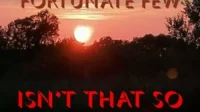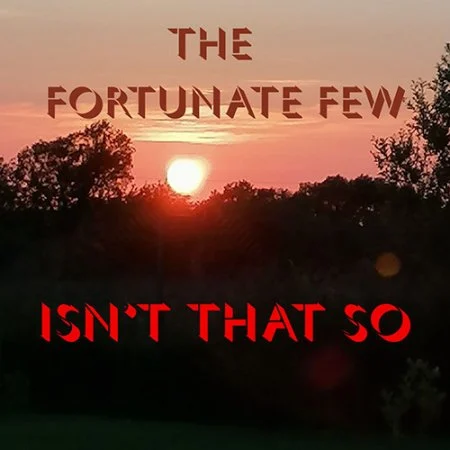
Antone Music has officially announced the release of the latest album by the British musical collective known as The Fortunate Few. Titled Isn’t That So, the 10-track, 45-minute and 20-second project brings together a formidable roster of seasoned veteran musicians from the United Kingdom. Assembled by accomplished drummer Romek Parol—whose illustrious career includes foundational stints with The Pirates, Chicken Shack, and Eric Bell—the group features an all-star lineup designed to bridge traditional rhythm and blues, soul, funk, and American roots music.
Alongside Parol, the ensemble showcases the soulful lead vocals of Paul Cox, recognized for his previous work with Frankie Miller’s Full House, John Slaughter, the Micky Moody band, and the Paul Cox Band. The sonic landscape is further rounded out by the dynamic keyboard styling of Dave “Munch” Moore, the intricate fretwork of guitarist Mick McCarney (noted for his collaborations with Daniel O’Donnell), and the steady, foundational bass grooves of Billy Robinson, formerly of Quarterdeck.
While the 10-song tracklist consists entirely of carefully curated covers rather than original compositions, the collective breathes fresh air into each selection. Rather than serving as rote replications, the songs are treated with a distinct stylistic approach that reimagines lesser-known cuts and beloved classics alike, filtering them through a transatlantic lens of British blues-rock sophistication and American groove.
Background Context and Lineup Heritage
The formation of The Fortunate Few represents a significant convergence of British musical pedigree. Drummer Romek Parol has long been a fixture of the UK rock and blues scene, best known for keeping time with pub-rock pioneers The Pirates and blues-revival staples Chicken Shack, as well as working alongside Thin Lizzy co-founder Eric Bell. His vision for The Fortunate Few was to create a fluid, highly competent unit capable of shifting effortlessly between genres without losing the organic grit that defines classic rhythm and blues.
Vocalist Paul Cox brings decades of lived-in experience to the microphone. Having fronted outfits that shared stages and history with the royalty of British blues and rock, Cox’s voice carries a raspy, weathered authority well-suited to the emotional weight of the material chosen for Isn’t That So. Keyboardist Dave “Munch” Moore provides the essential Hammond organ textures and piano backdrops that tie the arrangements together, channeling classic Stax and Motown vibes while maintaining a contemporary edge. Guitarist Mick McCarney and bassist Billy Robinson complete an airtight rhythm section that anchors the ensemble, ensuring that every groove remains locked in and propulsive.
Track-by-Track Musical Analysis

The album opens with a high-energy interpretation of "Fundamental Things," a track widely recognized from Bonnie Raitt’s catalog. The Fortunate Few pivot away from Raitt’s slide-guitar-driven Americana framework, steering the composition toward a James Brown-esque groove. Dave Moore’s funky Hammond organ stylings immediately establish the track’s infectious momentum, laying a solid foundation for Cox’s expressive delivery.
The stylistic reinvention continues with the title track, Jesse Winchester’s "Isn’t That So." Originally a folk-oriented piece, the collective funks up the composition, injecting a modern vitality driven by interweaving piano and organ arrangements. This ability to stretch the boundaries of source material without compromising its core integrity is a recurring theme across the record.
When tackling Bobby “Blue” Bland’s signature tune, "I Wouldn’t Treat A Dog (The Way You Treated Me)," Paul Cox delivers a masterclass in soulful restraint. The vocals are complemented by a seamless blend of guitar, piano, and organ, demonstrating the group’s collective discipline. Another nod to Bonnie Raitt arrives in the form of "If You Need Somebody," where Cox utilizes a scratchy, lived-in vocal delivery that grants the song immediate emotional credibility.
Keb Mo’s "The Whole Enchilada" introduces a lighter, sing-song cadence to the tracklist. The band elevates the uplifting number with shimmering organ washes that add depth to the buoyant arrangement. Shifting the mood entirely, the record dips into a wistful, reflective space with the ballad "Come On Home." Here, Moore’s organ work serves as a subtle atmospheric backdrop before blossoming into a brief, tasteful solo that heightens the song’s emotional resonance.
Surprising nods to the band members’ own lineages appear later in the sequence. "Don’t Fool Around With Love," originally by The Pirates and co-written by legendary guitar icon Mick Green, features a sharp, infectious guitar riff paired with a nimble organ solo that honors the song’s rock-and-roll pedigree.
The journey then takes a turn toward swampy, cinematic textures as a jazzy, Carlos Santana-esque guitar intro leads into Tony Joe White’s atmospheric "Gonna Look Good In Blues." The arrangement is further elevated by a beautifully toned guitar solo delivered in the latter half of the track, showcasing McCarney’s stylistic versatility.
The ensemble subsequently tackles "Work To Do," a composition immortalized by both The Isley Brothers and later reimagined by The Average White Band. The group delivers a punchy, rhythm-heavy rendition that honors the funk-soul origins of the piece. Blues legend B.B. King’s "Never Make Your Move Too Soon" follows, offering ample space for the musicians to stretch out. The resulting extended guitar and piano solos serve as one of the record’s instrumental highlights.
The album concludes with a poignant, slow-burn reading of John Hiatt’s "Lover’s Will." On this closing track, Cox’s vocal performance shifts into a higher, yearning register, capturing a sense of vulnerability that brings the 45-minute journey to a fitting, emotionally resonant close.

Reception and Genre Classification
Music critics and industry observers have noted that while Isn’t That So draws heavily from blues, soul, funk, and roots idioms, it resists strict categorization as a traditional blues album. Instead, the project is characterized as a masterclass in mature, soulful interpretation performed by musicians who have spent decades perfecting their respective crafts.
The absence of original songwriting has drawn little criticism, as the meticulous curation and thoughtful arrangements demonstrate a deep reverence for the source material. By selecting tracks penned by artists as diverse as Jesse Winchester, John Hiatt, Tony Joe White, and Keb Mo, The Fortunate Few have crafted a cohesive listening experience that transcends genre boundaries.
Broader Impact and Industry Implications
The release of Isn’t That So via Antone Music underscores the enduring viability of independent, musician-led projects in the contemporary streaming era. Rather than chasing fleeting commercial trends or hyper-modern production styles, groups like The Fortunate Few rely on organic musicianship, stellar vocal performances, and deep stylistic authenticity to capture the attention of mature audiences and purists alike.
For fans of British blues-rock, classic soul, and roots music, the album stands as a testament to the enduring creative output of veteran artists who continue to refine their craft long past the conventional milestones of their careers. With first-rate instrumentation, deeply emotional delivery, and a well-balanced tracklist, The Fortunate Few have delivered a compelling collection that rewards close, repeated listening.