The track they tried to hide. Is this the worst Stock Aitken Waterman record ever?

The Rise of the SAW Empire
To understand the context of this unlikely collaboration, one must examine the meteoric rise of the Stock Aitken Waterman (SAW) production house. Emerging from the London studio scene in the mid-1980s, the trio revolutionized the British pop landscape by marrying Hi-NRG production techniques with accessible, melodic song structures. By 1986, their influence was pervasive. They were not merely producers; they were a self-contained industry, responsible for a string of international successes including Dead or Alive’s You Spin Me Round (Like A Record) and Princess’s Say I’m Your Number One.
Their business model was predicated on efficiency and an uncanny ability to identify market trends. Whether working with seasoned performers or television personalities transitioning into music, the SAW team applied a consistent, recognizable sonic template—characterized by sharp synthesizers, driving drum machine rhythms, and polished vocal arrangements. This formula proved so effective that the trio became a victim of their own success, often being approached by a wide array of figures seeking to capitalize on the "SAW sound."
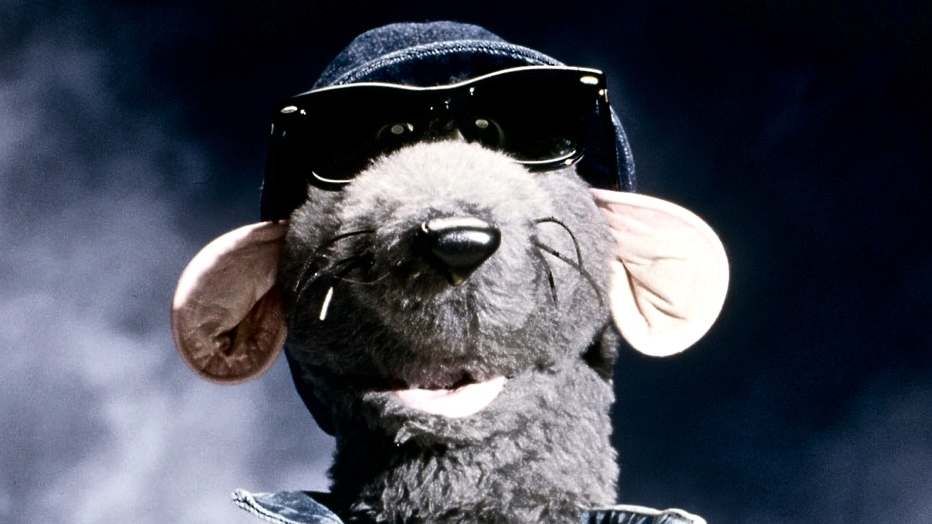
The Breakfast TV Wars and the Rat Phenomenon
The origins of the Roland Rat record are inextricably linked to the volatile landscape of 1980s British breakfast television. In April 1983, the debut of TV-am, the UK’s first national commercial breakfast television station, was marred by poor ratings and internal power struggles. The station struggled to compete with the BBC’s established Breakfast Time program, at one point recording audiences as low as 300,000 viewers.
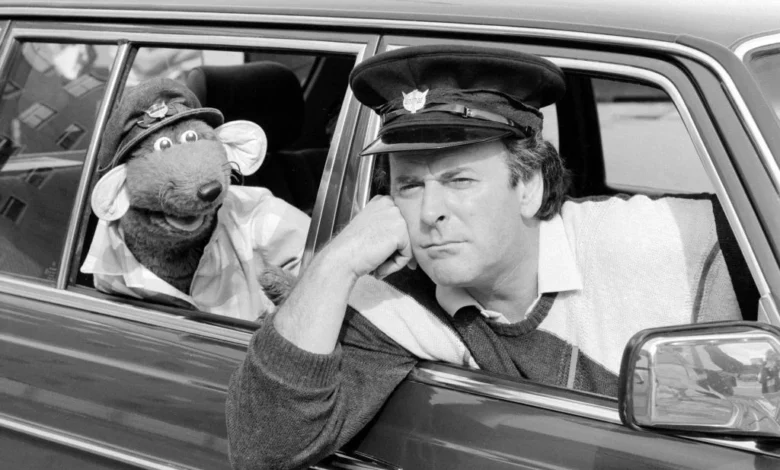
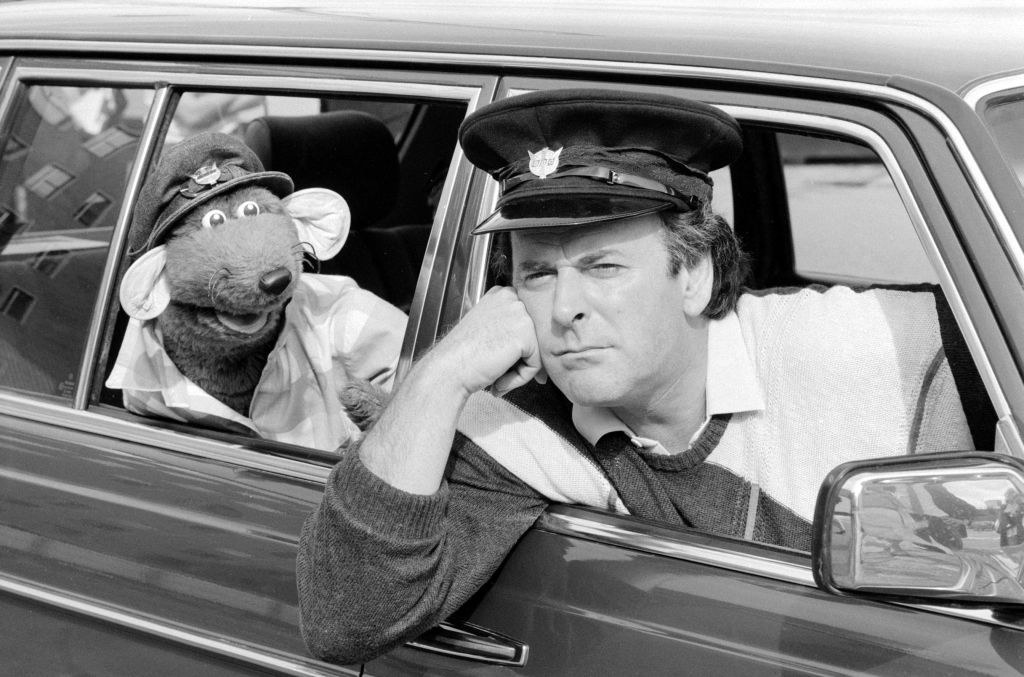
In an effort to salvage the project, program director Greg Dyke introduced a puppet character: Roland Rat. The irreverent, sardonic, and distinctly working-class rodent provided a necessary injection of personality that the staid, conventional broadcasting landscape lacked. The character’s impact was immediate and profound. Roland Rat transformed TV-am’s fortunes, effectively rescuing the station from financial collapse and securing his status as a national icon. By 1985, the BBC had poached the character, handing him a lucrative, high-profile Saturday evening chat show. It was within this climate of immense cultural saturation that the opportunity for a musical crossover emerged.
Living Legend: A Sonic Anomaly
The decision to record Living Legend was an extension of the character’s commercial peak. By 1986, Roland Rat was a merchandising juggernaut, and a musical venture seemed the logical next step. Pete Waterman, ever the astute businessman, recognized the potential in aligning the SAW brand with such a high-profile cultural phenomenon.
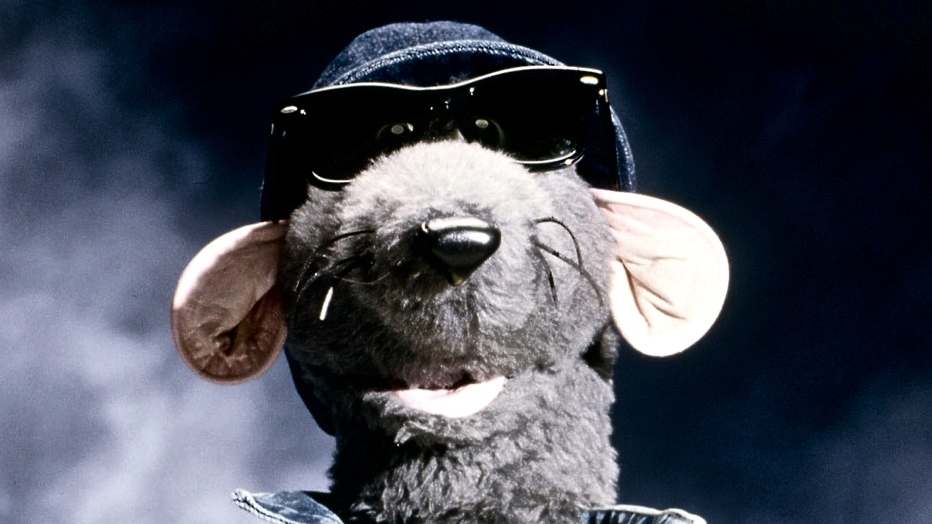
The resulting track, Living Legend, was a quintessential SAW composition, featuring the hallmarks of their production: an upbeat tempo, layered synths, and a hook-heavy chorus. The project resulted in several iterations, including 7-inch versions and a more expansive 12-inch "Rat In My House Mix." The latter is particularly noted by music historians and crate-diggers for its technical competence—a strange juxtaposition of world-class production values applied to a novelty puppet act.
Despite the pedigree of its creators, the single failed to make a significant dent in the charts, peaking at number 104. In the grand timeline of SAW’s output, the record was a footnote, a minor experiment that was quickly overshadowed by their subsequent work with artists like Mel & Kim, whose smash hits Showing Out (Get Fresh At The Weekend) and Respectable were released in close proximity to the Roland Rat project.
The Erasure from Official Narratives
The relative failure of Living Legend led to a curious historical erasure. In the years following their peak, both Mike Stock and Pete Waterman have published detailed autobiographies and maintained extensive official discographies. Notably, the Roland Rat collaboration is almost entirely absent from these records.
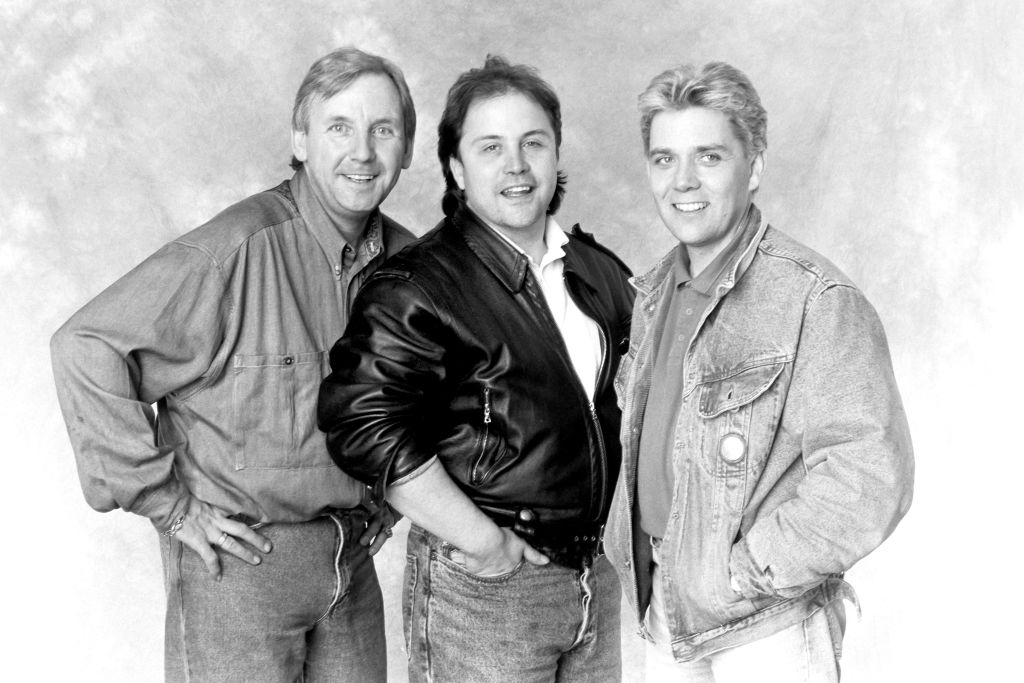
This omission highlights a fundamental tension in the SAW legacy: the conflict between the trio’s undeniable commercial genius and their desire to maintain a level of "cool" or artistic prestige. While they were comfortable producing novelty hits for wrestlers, soap stars, and children’s television characters during the 1980s, these projects were eventually viewed as liabilities to their reputation as sophisticated hit-makers. The fact that the single is excluded from official archives—despite being a legitimate entry in their professional catalog—serves as a reminder of how artists and producers curate their own history, filtering out the "embarrassments" to preserve a streamlined narrative of success.
Broader Implications for the Music Industry
The inclusion of such disparate acts in the SAW portfolio—from the high-fashion pop of Kylie Minogue to the absurdist novelty of Roland Rat—illustrates the trio’s influence on the commodification of pop music. They viewed the studio as a factory of sorts, where talent was secondary to the efficacy of the production process. This methodology effectively leveled the playing field; if a song was well-produced and catchy enough, it could be sung by anyone, from a trained vocalist to a puppet.
Critics of the era often dismissed this approach as the "dumbing down" of music, arguing that it favored formulaic repetition over artistic expression. However, from a contemporary perspective, the SAW era is seen as a pioneering moment in music production. The trio’s ability to move seamlessly between genres and audiences laid the groundwork for modern pop production, where the producer is often as central to the identity of a track as the artist performing it.
Legacy and Analysis
In retrospect, the Roland Rat collaboration is neither a blemish nor a crowning achievement, but rather a perfect case study of the SAW philosophy in the 1980s. It demonstrates a total commitment to the commercial viability of a product, regardless of the cultural weight or inherent prestige of the subject matter.
While the trio eventually moved on from this era—as evidenced by their professional separation in the early 1990s and their subsequent individual ventures—the inclusion of the "Rat In My House Mix" in the broader context of their work remains a point of fascination for music historians. It captures a fleeting moment where the machinery of the British pop industry was so robust that it could, with absolute confidence, attempt to manufacture a hit for a rodent.
The legacy of Stock Aitken Waterman remains secure, not despite these oddities, but perhaps because of them. Their willingness to engage in the absurd alongside the iconic defined a decade of British pop. The fact that Living Legend remains an elusive, almost "lost" track in their discography only adds to the mythology, confirming that even the most prolific hit-makers have projects they would prefer to leave in the past, hidden beneath the weight of their own monumental success.