The four star-studded movies (and one TV show) we have been using to test our home cinema kit this month


The Evolution of Reference Content in Home Cinema Testing
For years, the home cinema enthusiast community has relied on specific titles to calibrate and evaluate new hardware. The process of "Awards testing" within high-end audio and video environments requires content that pushes the boundaries of current consumer technology. Whether it is a premium Ultra-Short Throw (UST) projector or a sophisticated Dolby Atmos soundbar, the hardware must be subjected to a variety of visual and auditory stressors.
Testing protocols typically focus on four key metrics: black level performance, color gamut coverage, motion handling, and object-based audio immersion. In 2026, the landscape of available content has shifted, with studios increasingly mastering films for high-brightness displays and complex 3D soundscapes. The following films represent the current industry standards for these specific diagnostic tasks.

The Last Duel: A Masterclass in Visual Bleakness
Ridley Scott’s 2021 historical drama, The Last Duel, has emerged as a cornerstone for evaluating mid-tone contrast and color grading. While Scott’s filmography is often cited for its varying degrees of visual flair—from the neon-drenched streets of Blade Runner to the saturated expanses of Gladiator—The Last Duel serves a different purpose.
The film is characterized by a deliberate, desaturated blue-grey filter that permeates the 14th-century French setting. For display testing, this provides an unforgiving environment. A display with poor grayscale linearity will often struggle to distinguish between the various shades of grey in the film’s armor and the overcast skies. Furthermore, the film’s triple-perspective narrative structure demands consistent image quality across shifting lighting conditions. When viewed on an OLED panel or a high-end local-dimming LCD, the film reveals a level of texture in fabric and metal that acts as a true stress test for sharpness and resolution processing.
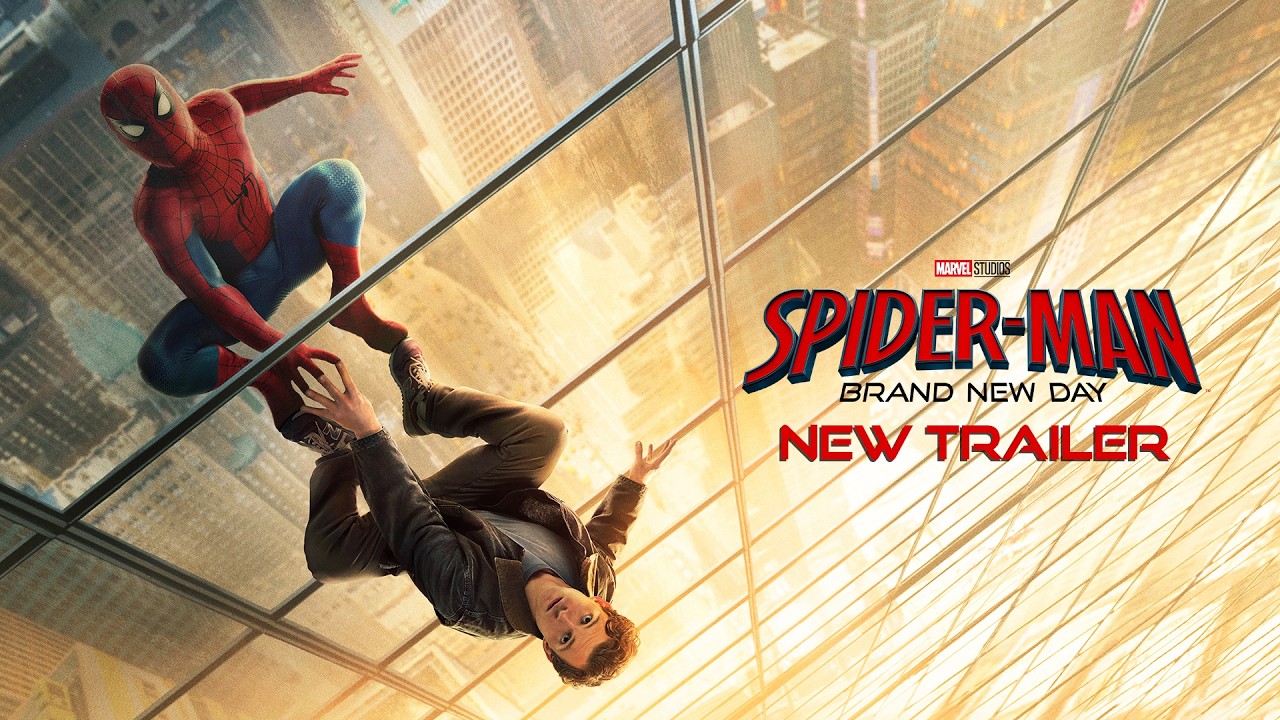
Spider-Man: Brand New Day and the New Standard for Blockbuster Audio
The 2026 release of Spider-Man: Brand New Day has not only shattered domestic box office records—surpassing the $2.45 billion global threshold and eclipsing the lifetime earnings of previous juggernauts like Avengers: Endgame—but it has also set a new technical bar for home media.

From an engineering perspective, the film is a significant achievement in spatial sound design. Directed by Destin Daniel Cretton, the production utilizes an aggressive Dolby Atmos mix that emphasizes verticality and precise object placement. For home cinema owners, this film is recommended for testing the limits of height-channel speakers and sub-bass response.
The film’s score, composed by Michael Giacchino, features dynamic swings that require a sound system capable of handling sudden transitions from quiet, dialogue-heavy moments to high-decibel action sequences. The integration of modern pop tracks, such as Tame Impala’s "Loser," into the sound mix provides an additional challenge for balanced frequency response, ensuring that the low-end of the music does not muddy the clarity of the film’s dialogue.
Bumblebee: The Benchmark for Dynamic Range
Despite being released in 2018, Bumblebee remains a permanent fixture in professional test rooms. The film’s opening sequence, which depicts a high-stakes army training exercise interrupted by a celestial event, is widely considered one of the best "torture tests" for home theater subwoofers.

The scene requires the system to maintain clarity during extreme sound pressure levels. The impact of the Transformers’ arrival, combined with the spatial distribution of aircraft and explosions, provides an ideal environment to evaluate the efficacy of a sound system’s crossover settings and room correction software. If a system is improperly calibrated, the bass in this sequence can easily become bloated; a well-tuned system, however, will reveal the distinct, layered texture of the mechanical impacts.
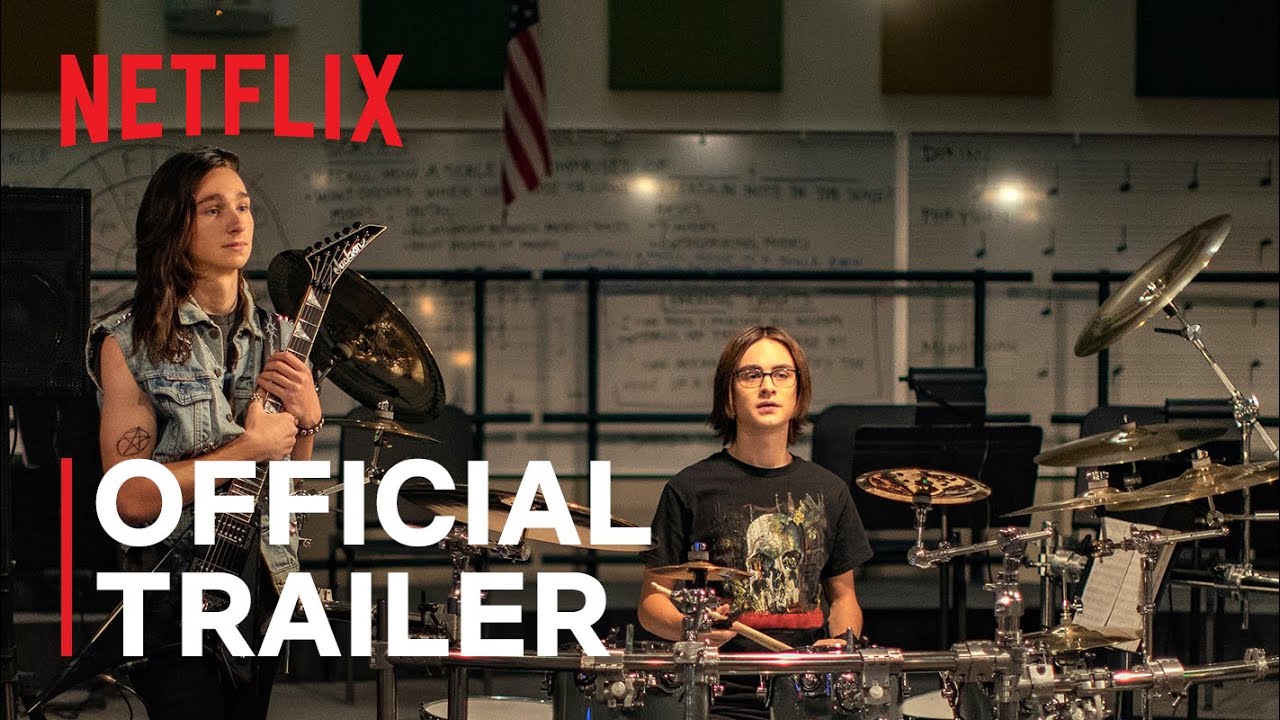
Metal Lords: An Exercise in Musical Passion
While not a technical showcase in the same vein as a blockbuster action film, Metal Lords (2022) is highlighted for its unique role in testing mid-range clarity and vocal texture. The film’s focus on heavy metal instrumentation—specifically the frequency response of guitars and percussion—offers a different kind of challenge for high-fidelity audio systems.
For listeners using high-end stereo or surround sound setups, the film provides an opportunity to evaluate how a system renders the "grit" of distorted instruments without losing the nuances of the dialogue. It is a film that rewards systems with excellent timing and transient response, qualities that are often overlooked in favor of pure power.
Slow Horses: Shadow Detail and Ambient Immersion
The sixth season of the Apple TV+ espionage drama Slow Horses offers a masterclass in atmospheric lighting and soundscape subtlety. The series, known for its dry humor and gritty portrayal of MI5, relies heavily on a visual language of shadows and low-light environments.
For the display enthusiast, this season is a diagnostic tool for "shadow detail." Many consumer televisions struggle to display the nuances of dark scenes, often resulting in "crushed blacks," where details are lost in the darkness. Slow Horses is filmed with a specific intention to use the gloom of a rainy London to drive the narrative tension.
The audio mix is similarly subtle. Rather than relying on the bombastic explosions found in other entries on this list, Slow Horses utilizes the bustle of the city to create a 360-degree sound environment. Testing a soundbar’s ability to create a sense of place through ambient noise—the sound of distant traffic, rain, or the hum of office equipment—is essential for determining how "immersive" a system truly is.
Implications for Future Home Cinema Calibration
The trend toward more complex, intentionally "difficult" source material reflects a broader shift in the consumer electronics market. As display and audio technologies mature, the difference between "good" and "great" performance is increasingly found in the subtle handling of challenging content.
The move toward higher bitrates and object-based audio formats means that the hardware used in the home is more capable than ever of reproducing the director’s original intent. However, this potential can only be realized if the equipment is tested against content that pushes those boundaries.
The selections listed here provide a roadmap for users looking to optimize their home setups. By focusing on films that demand high contrast, precise color reproduction, and accurate spatial audio, enthusiasts can ensure their home cinema environments are delivering the best possible performance. Whether it is the cold, bleak palettes of 14th-century France or the rain-slicked streets of a modern-day spy thriller, these titles remain the gold standard for anyone serious about the quality of their home viewing experience. As testing continues, the industry will undoubtedly look toward these and future titles to define the limits of high-end home entertainment.