The Evolution of Affordable Polyphony: The Best Budget Polysynths Shaping Modern Music Production

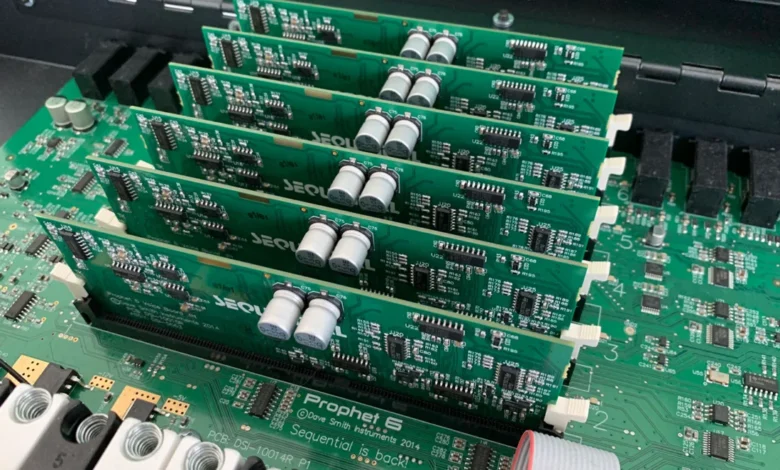
Historically, the world of polyphonic synthesizers was an exclusive domain reserved for well-funded professional studios and affluent musicians. When Yamaha introduced the groundbreaking DX7 digital synthesizer in 1983, it was heralded as a breakthrough in affordability, yet its retail price still hovered close to the $2,000 threshold—a steep investment equivalent to several thousand dollars today. For analog polyphonic synthesizers, the financial barrier was even higher. Decades later, however, technological advancements, optimized component manufacturing, and modern engineering have upended the marketplace. Today’s musicians have access to a robust ecosystem of polyphonic synthesizers that combine analog warmth and digital complexity without prohibitive costs.
The Historical Divide Between Analog and Digital Polyphony
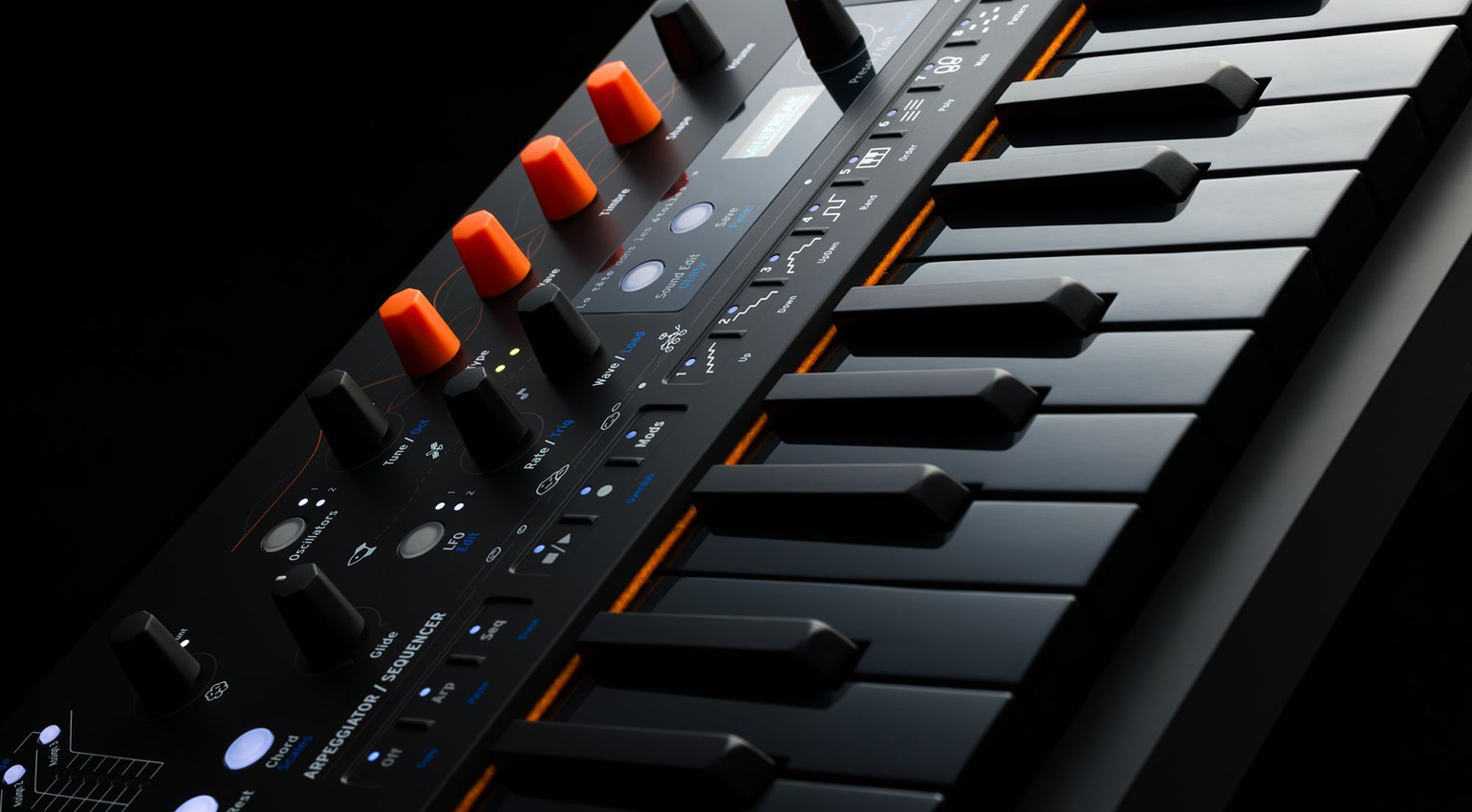
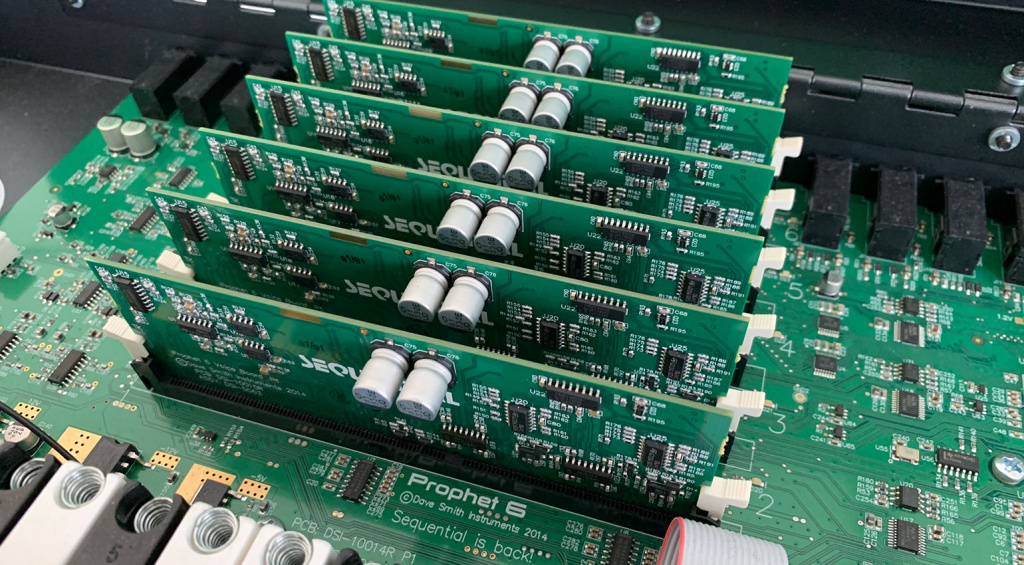
To understand why budget polyphonic synthesizers are a relatively recent phenomenon, one must examine the engineering challenges inherent in synth architecture. Throughout the 1970s and 1980s, analog polyphonic hardware demanded extensive physical components. Unlike monophonic instruments, a polyphonic analog synthesizer requires dedicated analog circuitry for every single voice. For instance, a classic six-voice instrument requires six distinct voice cards, each packed with discrete oscillators, filters, amplifiers, and envelope generators. Scaling this architecture meant exponentially increasing manufacturing costs, physical weight, and susceptibility to tuning instability, which required painstaking manual calibration.
When digital synthesizers emerged in the 1980s, they fundamentally altered this dynamic. Digital engines—whether operating via Frequency Modulation (FM), wavetable synthesis, sample playback, or virtual analog—rely on a central microprocessor to compute waveforms in real time. As long as the central processing unit (CPU) possessed adequate capacity, adding polyphony required zero additional hardware boards. Consequently, digital instruments dominated the affordable multivoice market for decades.
The turning point for budget analog polyphony arrived in the early 2010s. Following the resurgence of monophonic analog synths like the Arturia MiniBrute and Korg MS-20 mini, manufacturers slowly gathered the confidence to tackle polyphonic analog designs. Instruments like the Korg Minilogue and the Behringer DeepMind series proved that consumers were hungry for authentic analog polyphony at accessible price points.
Behringer Pro-800: Maximum Analog Value
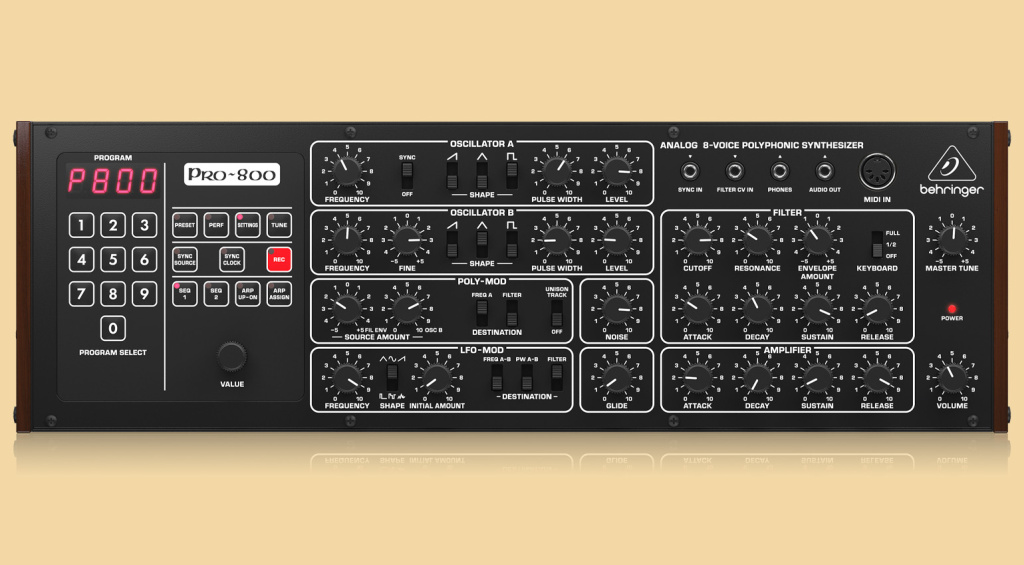
Among the most disruptive entries in the budget analog space is the Behringer Pro-800, an instrument heavily inspired by the iconic Sequential Circuits Prophet-600 of the 1980s. Behringer successfully modernized this vintage lineage by expanding the architecture to eight voices, yielding an exceptional cost-per-voice ratio.
The Pro-800 retains the dual-oscillator voice architecture of its predecessor while introducing modern stability and MIDI integration. Each voice features a 24dB low-pass filter, dual ADSR envelopes, and a dedicated LFO. Furthermore, the inclusion of the classic PolyMod section permits advanced cross-modulation routings, allowing Oscillator 2 to modulate Oscillator 1 or the filter cutoff frequency. An eight-voice unison mode also transforms the desktop unit into a powerhouse for monolithic basslines and piercing lead sounds.
Arturia MiniFreak: Six-Voice Hybrid Versatility
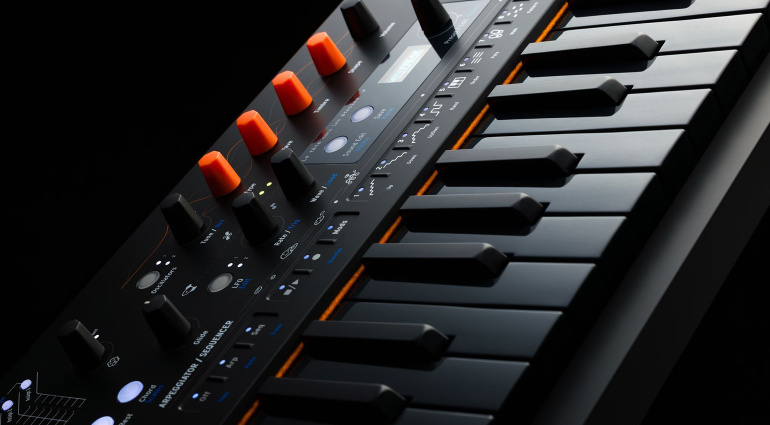
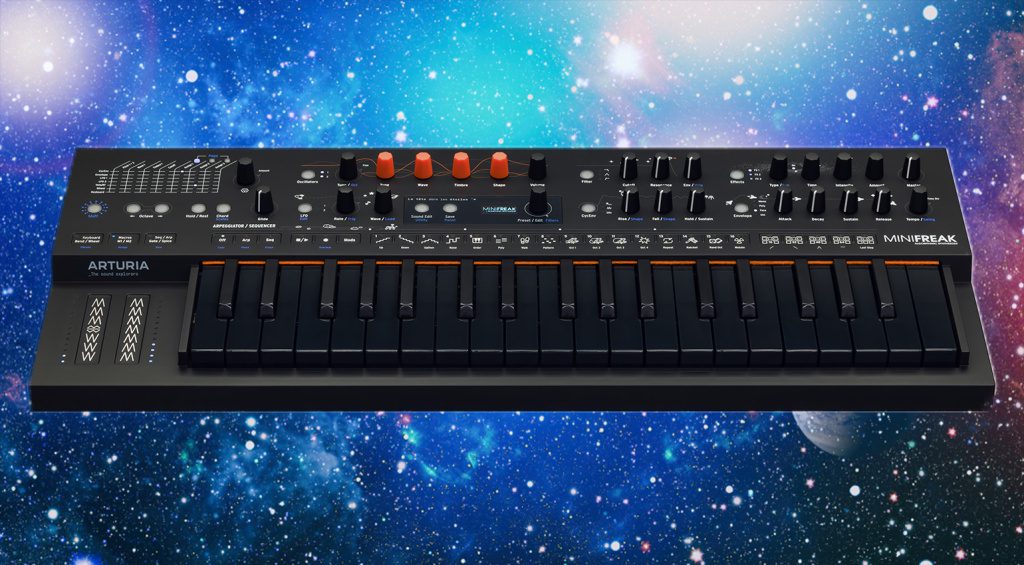
Bridging the gap between physical modeling and digital flexibility, the Arturia MiniFreak has established itself as a premier hybrid polyphonic instrument. Building upon the legacy of the cult-classic MicroFreak, the MiniFreak doubles the voice count to six while introducing a comprehensive multi-engine oscillator structure.
Musicians can choose from 31 distinct oscillator modes spanning virtual analog algorithms, FM synthesis, wavetables, physical modeling, and user-imported samples. Each voice is routed through a tangible analog multi-mode filter, injecting warmth and grit into digitally generated soundscapes. Equipped with an expansive modulation matrix, twin LFOs, cycling envelopes, and a flexible sequencing engine, the MiniFreak offers deep sound-design capabilities. Furthermore, hardware owners receive the companion MiniFreak V software plugin, allowing for seamless transitions between hardware performance and digital audio workstation (DAW) tracking.
Waldorf Protein: Accessible Wavetable Synthesis
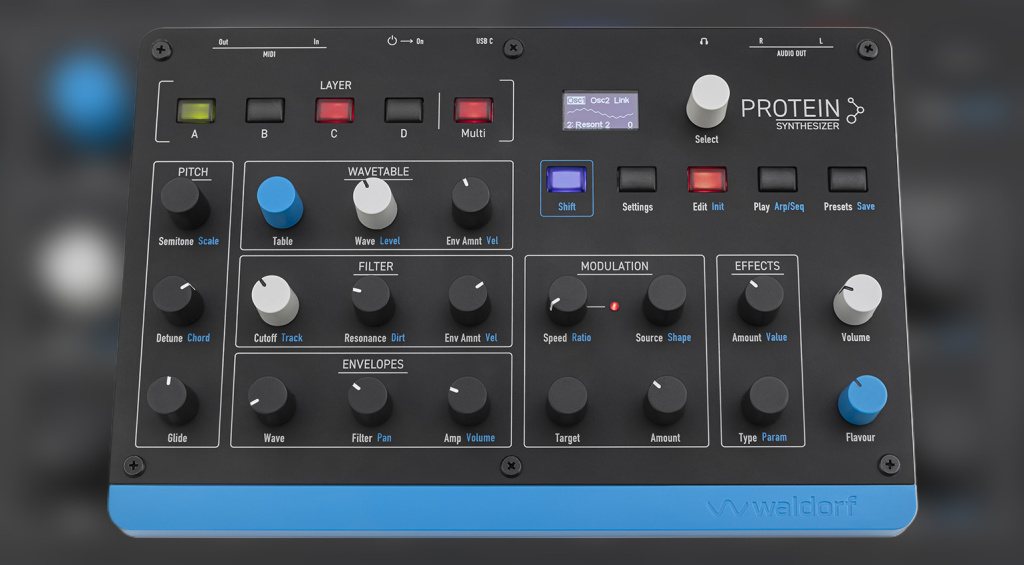
Waldorf Music has long been synonymous with high-end wavetable synthesis, a legacy cemented by the legendary Microwave 1 in the early 1990s. With the introduction of the Waldorf Protein, the company brought its signature wavetable sonic signature to a broader market segment.
The eight-voice desktop synthesizer emulates the sonic character of the original Microwave 1 while incorporating a contemporary user interface. Each voice features dual wavetable oscillators powered by an emulation of Waldorf’s proprietary custom silicon, complemented by an emulation of the classic Curtis (CEM) analog filter architecture. The modulation capabilities are equally robust, offering three envelope generators, two LFOs, an eight-slot modulation matrix, and polyphonic aftertouch support. Enhanced by an onboard effects processor and a 32-step sequencer, the Protein delivers vintage digital texture suited for contemporary electronic music production.
Dreadbox Nymphes: Compact Analog Power
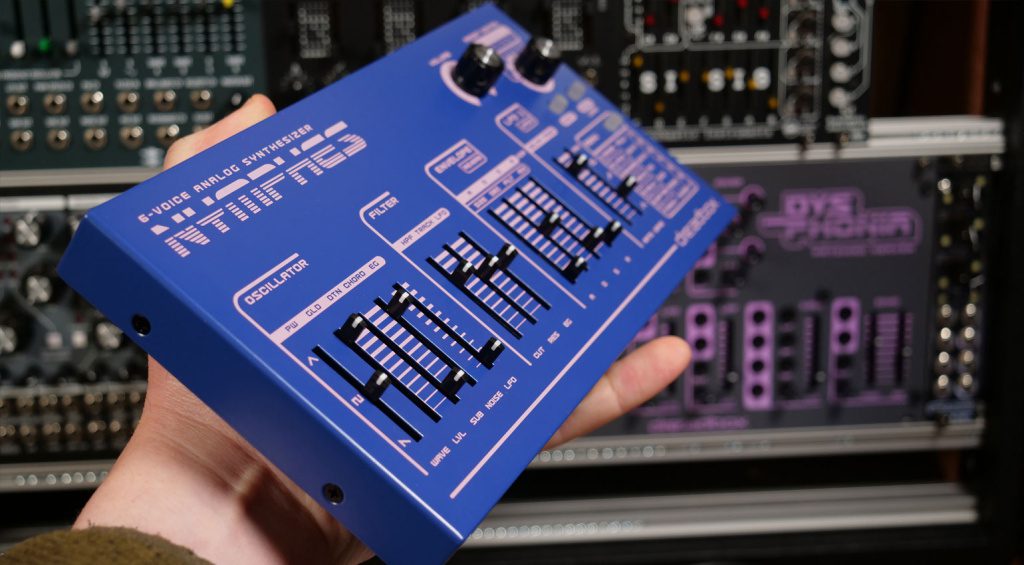
The Dreadbox Nymphes demonstrates that modern surface-mount manufacturing can condense sophisticated analog architecture into exceptionally portable enclosures. Housed in a slim, briefcase-friendly chassis, the Nymphes packs a complete six-voice analog engine derived from classic polyphonic design principles.
Every voice within the Nymphes features a Voltage Controlled Oscillator (VCO) capable of continuous waveform morphing, accompanied by a sub-oscillator, a 24dB low-pass filter, a 6dB high-pass filter, dual envelope generators, and two independent LFOs. Despite its minimal footprint, the instrument delivers thick, harmonically rich analog pads and aggressive bass tones. The inclusion of a lush, studio-grade digital reverb rounds out an impressive feature set that redefines what pocket-sized analog gear can achieve.
ASM Hydrasynth Explorer: The Pinnacle of Digital Expression
The ASM Hydrasynth, launched in 2019, fundamentally reshaped expectations for digital synthesis. Moving away from retro analog emulations, ASM engineered an unapologetically modern digital sound engine anchored by wavemorphing oscillators, mutant wave-shapers, and deep modulation routing.
The Hydrasynth Explorer scales this flagship engine down into a lightweight, highly accessible format without compromising on expressive control. Crucially, the Explorer retains the polyphonic aftertouch keybed found on its larger siblings, allowing performers to modulate individual notes based on finger pressure after the initial strike. Five years after its market introduction, the Hydrasynth Explorer remains an industry benchmark for sound designers seeking complex, evolving digital textures on a strict budget.
Market Implications and the Future of Affordable Synthesis
The democratization of polyphonic synthesizers has profound implications for the global music equipment market. By lowering financial entry barriers, manufacturers have empowered independent producers, film composers, and hobbyists to incorporate hardware-driven workflows into their creative processes.
Industry analysts note that fierce competition among budget-focused brands like Behringer, Arturia, Waldorf, Dreadbox, and ASM has accelerated innovation. Features previously reserved for flagship instruments—such as polyphonic aftertouch, complex modulation matrices, and hybrid analog-digital signal paths—are now standard expectations in entry-level tiers. As component manufacturing continues to evolve, the distinction between budget and professional gear will likely blur further, ensuring that sonic experimentation remains accessible to creators at every financial level.