Boosie Badazz Confronts Convicted Killer Kewon White Following Explosive Admission Regarding 2020 Dallas Shooting

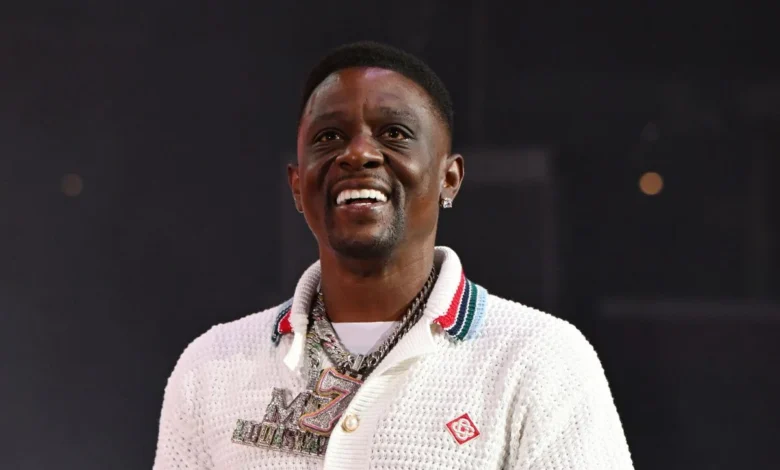
The intersection of violent crime and the hip-hop industry reached a volatile new milestone this week as rapper Boosie Badazz publicly addressed incendiary comments made by Kewon White, the man currently serving a life sentence without the possibility of parole for the 2020 murder of Dallas-based artist MO3. The confrontation stems from a recent jailhouse interview conducted by Cam Capone News, in which White—who was convicted of capital murder—admitted to opening fire on Boosie in Dallas just days after he allegedly executed the high-profile hit on MO3.
The revelation has sent shockwaves through the industry, as it provides a direct, albeit chilling, link between two separate acts of violence that terrorized the Dallas music community in November 2020. Boosie, who survived the shooting with a wound to his leg, utilized social media to aggressively challenge White’s credibility, his motives, and the logic of his ongoing legal appeals.
A Chronology of Violence: November 2020
To understand the gravity of the situation, one must look at the rapid succession of events that unfolded in Dallas during that fateful week. On November 11, 2020, Melvin Noble, professionally known as MO3, was gunned down in broad daylight on Interstate 35E. According to court records and testimonies provided by the Dallas County District Attorney’s Office, White pursued Noble’s vehicle, eventually cornering the rapper on the highway and firing multiple rounds from an assault-style rifle. The brazen nature of the attack, captured in part by witnesses and surveillance, marked a dark period for the city’s hip-hop scene.
Less than 72 hours later, on November 14, 2020, Boosie Badazz was visiting Dallas. As he traveled near Big T Plaza, he was targeted in a separate shooting incident. Initial reports from the Dallas Police Department indicated that while officers responded to the scene, they found no evidence of a crime or a victim. It was later confirmed that Boosie had been transported to a hospital with a gunshot wound to the leg. At the time, Boosie was notoriously uncooperative with law enforcement, refusing to disclose the identity of his assailant or the specific location of the shooting. The connection between the two events remained a subject of speculation among fans and investigators until White’s recent prison confession.
The Confession and the Motivation
In his sit-down interview, Kewon White provided a candid, albeit disturbing, account of his actions. When questioned about his decision to target Boosie, White cited the rapper’s public persona and his movements within the city as primary triggers. White suggested that Boosie’s vocal social media presence—specifically his announcements about arriving in Dallas—was perceived as a challenge to local figures.
"You get online and talk like ‘I’m on my way to Dallas.’ Like what?" White remarked during the interview, implying that Boosie was attempting to exert an unwelcome level of influence or authority over the city’s environment. White further claimed that the attack was not a coordinated hit but rather an opportunistic act of violence. He alleged that he had multiple chances to engage Boosie during the encounter but held back until he felt the timing was advantageous. Most disturbingly, White expressed a sense of regret not for the violence, but for his failure to capitalize on the notoriety of the act, admitting he had intended to record a song about the shooting to bolster his own music career.
Boosie Badazz’s Rebuttal
Boosie’s response was characteristically aggressive and direct. Addressing his audience in a video reaction, the rapper scrutinized the legal strategy of a man who has already been sentenced to life behind bars. Boosie questioned the logic of White filing an appeal for a capital murder conviction while simultaneously providing recorded interviews that confirm his involvement in multiple violent felonies.
Beyond the legal implications, Boosie launched a series of personal attacks against White, challenging his character and his integrity within the prison system. The rapper’s rebuttal highlights the extreme tension that exists between the street-level grievances that lead to such violence and the cold, sterile environment of the judicial proceedings that follow. Boosie’s commentary served as both a dismissal of White’s bravado and a pointed critique of the performative nature of "street fame" that often leads to the loss of life and permanent incarceration.
Legal and Judicial Context
Kewon White’s conviction was the result of a comprehensive investigation by Dallas County authorities. The prosecution’s case was bolstered by a significant amount of digital evidence, including mobile phone data, jail communications, and high-resolution video surveillance. Financial records and witness testimony further solidified the state’s position, eventually leading to a life sentence without the possibility of parole.
The prosecution’s narrative centered on a broader theory that MO3’s death was part of a larger, systemic murder-for-hire plot tied to a long-standing feud between the deceased rapper and local artist Yella Beezy. Yella Beezy remains embroiled in a separate capital murder case connected to this alleged conspiracy. With White currently in the appellate process, the legal system remains in a state of stasis. Official court documents indicate that the trial transcripts necessary for the appellate review will not be finalized until January 2027, leaving the convicted killer in a holding pattern while he makes his case to the public.
Broader Implications for the Hip-Hop Industry
The public admission by White underscores a growing concern within the music industry regarding the intersection of viral culture and real-world violence. The ability for individuals to leverage "street credibility" through social media, only for that same visibility to be used as a justification for violence, represents a dangerous feedback loop.
Analysts suggest that the "culture of response"—where rappers feel compelled to address perceived slights or displays of power online—often serves as a catalyst for irreversible tragedy. By discussing his crimes on camera, White has not only provided a window into his own psyche but has also highlighted the ease with which minor interpersonal conflicts can escalate into public spectacles involving high-caliber weapons and fatal consequences.
Furthermore, the lack of cooperation from high-profile victims, such as Boosie’s refusal to assist police in 2020, creates significant obstacles for law enforcement. This "code of silence" complicates the pursuit of justice, often delaying the resolution of cases and allowing perpetrators to remain on the streets longer than they might otherwise.
The Role of Investigative Journalism in Crime Reporting
The release of the interview by Cam Capone News has sparked a debate regarding the ethics of interviewing convicted felons. While such interviews provide unfiltered access to the perspectives of individuals involved in major crimes, they also raise concerns about the glorification of violence. By allowing a convicted murderer to boast about his actions and his failed plans for musical stardom, the platform has inadvertently placed a spotlight on the motivations of a man who has been stripped of his freedom for his actions.
As the legal saga continues, the case remains a sobering reminder of the volatility inherent in the current rap landscape. The confluence of digital posturing, intense regional rivalries, and the failure of conflict resolution has left a trail of victims, including MO3, and a series of legal consequences that will echo for years to come. Whether White’s admission will have any bearing on his pending appeal remains to be seen, but legal experts suggest that incriminating statements made post-conviction are rarely helpful to a defendant’s cause.
For now, the industry watches as the intersection of music, law, and criminality continues to blur. As the January 2027 deadline for the trial transcript approaches, the public is left to grapple with the disturbing reality of a man who traded his life for a moment of violence, and the artists who are forced to navigate the wreckage left in the wake of such volatility.