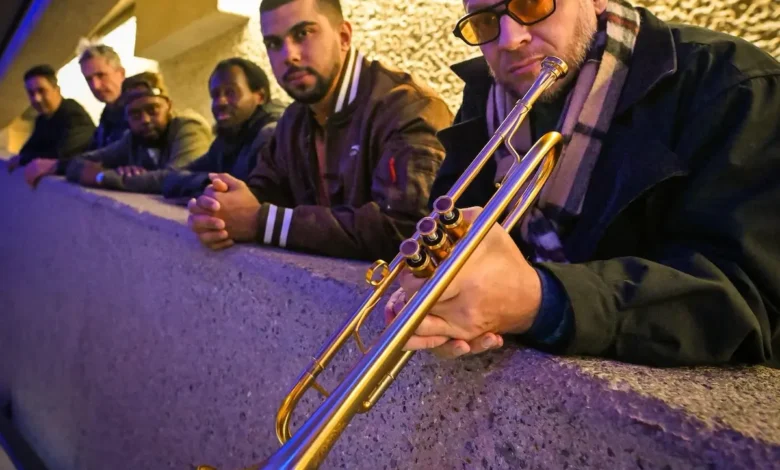
Solomon Gundy Band: Ancestral Rhythms and Modern Synthesis
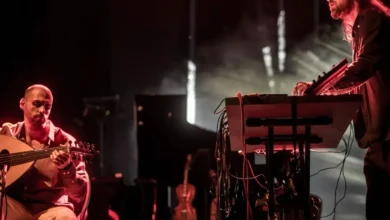
The Solomon Gundy Band’s latest release, Hancestry, serves as a masterclass in the integration of Afro-jazz, soul, and electronica. Led by veteran trumpeter Sean Corby, the ensemble creates a sonic architecture that bridges the gap between the radical jazz movements of the 1970s and the high-energy, experimental atmosphere of contemporary groups like The Comet Is Coming.
The album functions as a cultural manifesto, with tracks specifically dedicated to literary and artistic luminaries including Zora Neale Hurston, Leon Forrest, and James Baldwin. This deliberate thematic framing suggests a shift in modern jazz composition, where the music serves as an extension of the literary and historical canon rather than an abstract sonic exercise.
Structural Analysis and Personnel
Recorded in England and slated for a 2026 release via Dundus Records, the project utilizes a sprawling ensemble. By incorporating a diverse array of instrumentation—including bata drums, multiple guitarists, and keyboardists—Corby avoids the trap of a singular, static sound.
- Key Tracks: "Hancestry (For Zora Neale Hurston)," "Choose To Be (For James Baldwin)," and "Wadada (For Leo Smith & The People Of Grenfell)."
- The Ensemble: Featuring Courtney Pine on tenor saxophone and Sultan Stevenson on piano, the group maintains a "laissez-faire" improvisational structure.
The record’s significance lies in its refusal to conform to standard "beauty" metrics. Tracks like "Divine Days" and "Drum Song For Chino" intentionally utilize clatter and rhythmic dissonance to convey a message of self-discovery. Critics note that this "messy" approach is intentional, signaling a departure from the overly polished production styles that dominated the early 2010s, opting instead for a raw, visceral storytelling format.
Espen Eriksen Trio: Minimalism and the Nordic Aesthetic
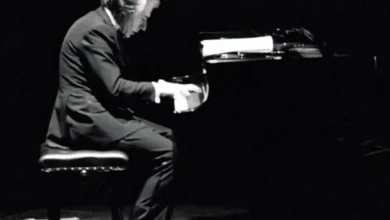
In contrast to the dense, layered compositions of the Solomon Gundy Band, the Espen Eriksen Trio’s latest offering, Almost There, underscores the enduring power of the piano trio. With a tenure spanning nearly two decades, the trio—consisting of pianist Espen Eriksen, bassist Lars Tormod Jenset, and drummer Andreas Bye—has refined a specific "brumous" Nordic sound that emphasizes space, silence, and melodic clarity.
Contextualizing the Nordic Jazz Sound
Since the late 20th century, the "Nordic sound" has become a distinct sub-genre within international jazz. Characterized by a cool, contemplative atmosphere and a rejection of the high-velocity, virtuosic displays often associated with American bebop, this style prioritizes collective improvisation.
- Technical Approach: The trio operates on the principle of minimalism. By resisting the urge to "fill" the sonic space, the group achieves an intimacy that feels increasingly rare in the digital age.
- Comparison to Historical Precedents: Comparisons to Vince Guaraldi are frequent, not because of stylistic mimicry, but because of the "laid-back" quality of the compositions. Like Guaraldi, Eriksen focuses on accessibility without compromising artistic integrity.
The album, released through Rune Grammofon, is a testament to the longevity of group cohesion. In an industry where ensembles frequently rotate members, the stability of this trio allows for a level of intuitive communication that manifests in the subtle, agile exchanges heard on "Winter Is Coming."
James Gordon Williams: Evolution and Fusion
Keyboardist James Gordon Williams’ latest project, Falling To Rise Again, represents a definitive pivot from his earlier work. Released by Mubuntusic Records, the album showcases a refined fusion aesthetic that draws from global music traditions while maintaining a firm footing in jazz improvisation.
Chronology and Artistic Growth
A comparison between Williams’ 2004 debut, Unrepeatable Life, and Falling To Rise Again highlights a twenty-year trajectory of artistic maturation. Where the earlier work adhered to more traditional structural expectations, the new record is marked by a confident, experimental approach to instrumentation.
- Production Details: Recorded at Wellspring Sound Studio in Acton, MA, in January 2024, the album features a heavy-hitting quartet, including Terri Lyne Carrington on drums and Matthew Stevens on guitar.
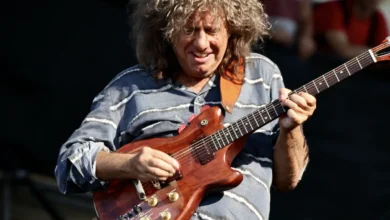
- Sonic Identity: Williams employs a sophisticated layering technique. On tracks such as "Prayer" and "Cuse Cue Blues," the music builds incrementally. Stevens’ guitar work is particularly notable, providing a smooth, atmospheric texture that evokes the fluidity of Pat Metheny without becoming derivative.
The album’s title, Falling To Rise Again, mirrors the arc of the music itself—a series of movements that oscillate between tension and release. For listeners, this album serves as an example of how a jazz artist can evolve over two decades to find a voice that is both commercially accessible and intellectually rigorous.
Broader Implications for the Jazz Industry
The simultaneous emergence of these three projects reveals a healthy, multifaceted jazz ecosystem. The common thread among these releases is not a specific sound, but a specific intent: the desire to move beyond the traditional boundaries of the genre to engage with social, literary, and personal histories.
Market Trends and Listener Demographics
Recent data from music industry analysts suggests that jazz listeners are increasingly gravitating toward "thematic" albums—records that tell a story or serve as a tribute to historical figures. This shift is clearly reflected in the track lists of the Solomon Gundy Band and James Gordon Williams, where compositions are explicitly dedicated to figures like James Baldwin and Zora Neale Hurston.
Furthermore, the continued success of the Espen Eriksen Trio suggests that there remains a strong, loyal market for the "classic" trio format, provided that the execution remains high-quality and emotionally honest.
Conclusion: The Future of the Genre
The transition from the traditionalist jazz structures of the early 2000s to the current era of cross-genre synthesis indicates a period of sustained innovation. Artists are no longer choosing between "jazz" and "fusion" or "folk" and "electronica." Instead, they are integrating these elements into a cohesive whole.
As the industry looks toward the next decade, these three releases provide a roadmap for future artists. By focusing on deep, personal narratives, maintaining tight-knit collaborative ensembles, and embracing the technical possibilities of modern production, the current generation of jazz musicians is ensuring that the genre remains both relevant and profoundly expressive. Whether it is the clattering, experimental energy of the Solomon Gundy Band, the minimalist beauty of the Espen Eriksen Trio, or the fusion-inflected soul of James Gordon Williams, the current state of jazz is defined by a bold commitment to artistic freedom.