A Legacy Built in Brick and Mortar
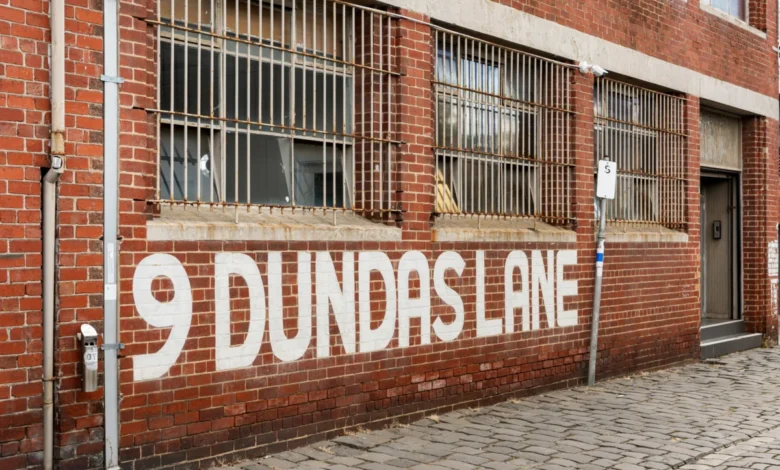
The premises at 9 Dundas Lane represent far more than just a commercial real estate asset; they serve as a physical repository of Australian cultural history. Since the Mushroom Group established its roots at the site in 1980, the building has acted as a creative incubator for a staggering array of domestic talent. From the early days of the Australian "pub rock" explosion to the global success of contemporary stars, the office walls have witnessed the birth of countless chart-topping records and the planning of world-class touring spectacles.
The roster of artists who have walked through these doors is a veritable "who’s who" of the Australian music industry. Household names such as Kylie Minogue, Jimmy Barnes, Paul Kelly, and the late Archie Roach developed their professional foundations within these walls. Furthermore, the site functioned as the nerve center for Frontier Touring, the promotion juggernaut that facilitated massive tours for international icons including Taylor Swift, The Rolling Stones, and Bruce Springsteen.
Chronology of a Music Powerhouse
To understand the significance of the 9 Dundas Lane sale, one must look at the trajectory of the Mushroom Group itself. Founded by Michael Gudinski in 1972, the company initially operated out of St Kilda. At the time, the Australian music landscape was vastly different, lacking the sophisticated infrastructure that Gudinski would eventually help build.
- 1972: Michael Gudinski launches Mushroom Records in St Kilda.
- 1980: The company moves its primary operations to 9 Dundas Lane, Albert Park, into a former biscuit factory that would become its long-term headquarters.
- 1980s–1990s: The site cements its reputation as a hub for both independent labels and large-scale tour promotion, overseeing the careers of acts like Hunters & Collectors and Yothu Yindi.
- 2021: The passing of Michael Gudinski leaves a void in the industry, prompting a period of reflection and institutional transition for the company.
- 2023: Mushroom Group celebrates its 50th anniversary with an all-star covers album, a documentary titled Ego: The Michael Gudinski Story, and a major commemorative concert at Rod Laver Arena.
- 2026: The organization confirms its move to new, modernized premises on Little Collins Street, triggering the listing of the historic Albert Park facility.
Real Estate Specifications and Potential
The property is being marketed as a unique opportunity for investors or owner-occupiers looking to capitalize on a piece of music history. The site occupies a 525-square-meter freehold corner landholding, offering significant visibility with three street frontages.
The building provides approximately 1,080 square meters of total floor area, characterized by its industrial heritage. Key architectural features include:
- Two primary levels: Each offering roughly 490 square meters of versatile space, retaining the warehouse-scale proportions that defined the office’s creative culture.
- Ancillary space: An additional 100-square-meter upper-level office suite.
- Outdoor amenities: A rooftop terrace that has hosted countless industry gatherings and social events over the decades.
The appointment of Marshall White and Stonebridge to manage the sale, acting under instructions from Advise Transact, signals a high-profile exit strategy. Given its location in Albert Park—an area known for its blend of residential prestige and commercial viability—the property is expected to attract significant interest from buyers looking to repurpose the industrial site while preserving its storied facade.
The Transition to the Future
The decision to relocate to Little Collins Street is reflective of a broader strategic shift within the Mushroom Group. While Dundas Lane was the home of a burgeoning independent label in the 20th century, the new premises are designed to support a multi-faceted conglomerate. The modern Mushroom Group now operates more than 20 distinct businesses, ranging from record labels and talent management to merchandising, brand services, and film production.

CEO Matt Gudinski, reflecting on the move, emphasized that the transition is necessary for the company’s ongoing evolution. "Dundas Lane has been an incredible part of Mushroom’s history and is globally renowned in the music industry," he stated. "I’ve been coming here my entire life, and it’s hard to overstate what this place means to everyone at Mushroom. As we look ahead, finding the right custodian to carry Dundas Lane’s storied history into its next chapter is incredibly important to us."
The move to the East End of Melbourne places the company in closer proximity to the city’s central business district, facilitating easier access for the international touring acts and global partners that now make up a substantial portion of the group’s portfolio.
Industry Implications and Cultural Legacy
The sale of 9 Dundas Lane serves as a poignant reminder of the professionalization of the Australian music industry. When Gudinski moved into the Albert Park factory in 1980, he was effectively building an infrastructure from scratch. Today, the move to a state-of-the-art facility underscores how the "Mushroom" model—which prioritizes artist development, local content, and independent distribution—has become a blueprint for success in the digital age.
From a commercial perspective, the property represents a transition from "industrial character" to "modern commercial efficiency." Analysts observe that the sale of such a high-profile site often prompts a reassessment of the value placed on "creative landmarks" in cities like Melbourne. As the city continues to modernize, the preservation of buildings that fostered iconic cultural movements becomes a topic of debate for urban planners and heritage groups.
For the staff at Mushroom Group, the departure from Albert Park is undeniably emotional. Many employees have spent their entire careers within these walls, and the office has served as a meeting point for generations of musicians. The "walls" that the company famously noted would have "one hell of a story" to tell are now effectively entering a state of retirement from the music business.
Conclusion: A New Chapter
As the keys to 9 Dundas Lane prepare to change hands, the focus shifts to how the building will be utilized next. Whether it remains a commercial hub, is converted into luxury residential space, or finds a new purpose as a creative venue, the building’s identity is permanently etched into the annals of Australian pop culture.
The legacy of Michael Gudinski, however, is not tied solely to the bricks of Albert Park. By modernizing its operations and moving to a new headquarters, the Mushroom Group is ensuring that the spirit of the company remains dynamic and forward-looking. As the firm pivots toward its next half-century, the sale of its most famous address serves as a bridge between the humble, factory-floor origins of the Australian independent music boom and the global, multi-platform entertainment corporation it has become.
Prospective buyers have been directed to the Stonebridge listing portal to review the particulars of the site, marking the final stage of a transition that signifies both the end of a long-standing musical tradition and the start of a new, high-tech chapter for the organization.