Roger Waters Presents LEGACY A Pink Floyd Show to Embark on Extensive North American Tour


With the prospect of a full Pink Floyd reunion having long faded into the realm of rock music mythology, Roger Waters has initiated a novel approach to keeping the band’s storied catalog in the public consciousness. The legendary bassist and songwriter has announced an ambitious North American arena tour titled Roger Waters Presents LEGACY — A Pink Floyd Show. While the branding leans heavily on the iconic name that defined progressive rock for decades, the production marks a departure from traditional legacy tours: Waters himself will not be appearing on stage.
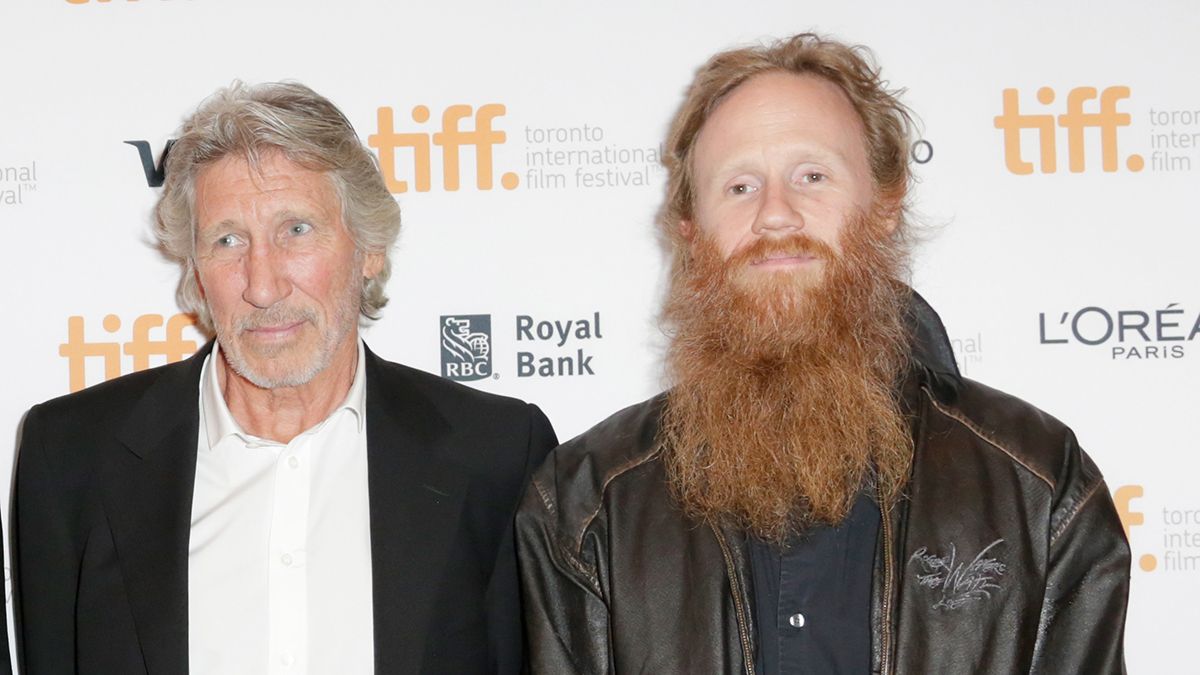
Instead, the project is a collaborative effort between the former Floyd mastermind and his son, Harry Waters. The tour, which spans two distinct legs in 2027, aims to faithfully recreate the sound and atmosphere of Pink Floyd’s "golden era," supplemented by select tracks from Waters’ prolific solo career. This endeavor effectively delegates the performance duties to a specialized ensemble, with the younger Waters serving as the musical director.
Tour Chronology and Logistics
The tour is structured to cover major North American markets, signaling a significant logistical undertaking. The first leg is scheduled to commence on February 15, 2027, in Columbus, Ohio. This initial run will proceed through the spring, hitting various regional hubs before concluding on May 2, 2027, in Wilmington, North Carolina. Following a summer hiatus, the production will resume for a second leg beginning August 31, 2027, in Vancouver, British Columbia. The tour is slated to wrap up on September 25, 2027, in St. Louis, Missouri.
The recruitment process for this production began in earnest earlier this year. In April, the Waters duo publicly signaled their search for a lead vocalist capable of capturing the specific tonal qualities of a younger Roger Waters. The search concluded with the selection of Canadian vocalist Clifton David Broadbridge. Broadbridge, noted for his previous collaboration with bassist Les Claypool on the Claypool Gold tour, was identified as the missing link needed to anchor the ensemble’s sound.
The Dynamics of a Second-Generation Production
The decision to distance the primary architect of the music from the stage is a rare move in the world of classic rock, where ticket sales are almost exclusively tied to the physical presence of the original band members. However, the involvement of Harry Waters offers a unique bridge between the band’s history and a new generation of performers.
"Harry has assembled a terrific band, and I can’t wait for fans around the world to see the special show we’ve created together," Roger Waters stated. "These songs have meant so much to so many people for so many years, and I’m excited for audiences to come together and experience them live again."
For Harry Waters, the project is both a professional endeavor and a personal exploration of the music that defined his father’s career. "I fell in love with the music immediately," the younger Waters noted. "It really had an impact on me, irrespective of any bias because it was Dad’s music. I still love it deeply to this day. Collaborating with Dad on this new production is such an honor, and I’m so grateful to have the opportunity to bring this music to fans old and new, around the world."
Historical Context and the Pink Floyd Legacy
The history of Pink Floyd is marked by legendary tension, creative evolution, and, ultimately, the dissolution of the classic lineup. Since the departure of Roger Waters in 1985 and the subsequent passing of founding member Syd Barrett in 2006 and keyboardist Richard Wright in 2008, the possibility of a full-scale reunion involving Waters, David Gilmour, and Nick Mason has been repeatedly dismissed by the principals.
The band’s last significant appearance together was at the Live 8 concert in London in 2005. Since then, fans have relied on solo tours by Gilmour and Waters, as well as the 2014 studio album The Endless River, which was largely constructed from archival material from the 1993 Division Bell sessions. By launching "LEGACY," Waters is shifting the paradigm from a "reunion" narrative to a "curatorial" one, treating the Pink Floyd songbook as a body of work that can be preserved and performed by a dedicated collective, similar to the way classical compositions or jazz standards are performed long after their creators have retired.
Supporting Data: The Economics of Legacy Touring
The market for legacy rock acts remains one of the most lucrative sectors of the global entertainment industry. According to data from industry trackers like Pollstar, legacy acts—defined as artists with at least 30 years of history—consistently command some of the highest ticket prices and gross revenues in the live music space.
The decision to utilize an arena-scale tour for this project suggests high confidence in the enduring appeal of the Pink Floyd brand. Even without the direct involvement of the original members, the "Pink Floyd" name remains a powerful cultural identifier. The strategic use of the name in the tour title is designed to ensure that the production is immediately recognizable to casual fans who might be less familiar with the specific nuances of the band’s internal politics.
Analysis: Implications for the Industry
The "LEGACY" model presents an interesting case study for the future of touring classic rock music. As the original members of the greatest bands of the 1960s and 70s reach an age where exhaustive, year-long world tours become physically unsustainable, the industry is looking for ways to maintain the brand equity of these groups.
By "directing" the show rather than "starring" in it, Roger Waters is testing a model that could be replicated by other artists. This allows for the continuation of the musical experience while mitigating the physical strain of touring. Furthermore, it addresses the "voice" problem mentioned by Waters—the difficulty of reproducing the vocal range of a performer from four decades ago. By casting a professional like Broadbridge, the show aims to provide a "definitive" sonic experience that is arguably more accurate to the original recordings than a live, aging performer might be able to achieve.
However, the model also faces potential hurdles. The primary risk is the erosion of the "authentic" live experience. Critics of similar projects often argue that a band is defined by its specific personnel and that the energy of a live performance is inseparable from the individuals who wrote the songs. Whether audiences will accept a high-fidelity tribute show as a replacement for the real thing remains the central question of this experiment.
Looking Ahead: A Global Outlook
While the current announcement focuses exclusively on the North American market, industry insiders anticipate that the "LEGACY" project is designed to be scalable. Given the immense popularity of Pink Floyd in Europe and the United Kingdom, it is widely expected that a tour of these regions will be announced in the near future.
The success of the North American run will likely determine the longevity of the project. If the shows meet attendance expectations and receive positive critical reception regarding the fidelity of the performance, "Roger Waters Presents LEGACY" could establish a template for the long-term preservation of rock history.
Tickets for the 2027 North American tour dates are scheduled to go on sale this Friday via Ticketmaster. The tour represents a calculated pivot, moving away from the artist-as-performer toward the artist-as-curator, ensuring that the soundscapes of The Dark Side of the Moon, Wish You Were Here, and The Wall continue to fill arenas for years to come. For the millions of fans who grew up with the music, this represents a new chapter in the ongoing life of one of rock’s most influential legacies.