The Making of a Classic: How The Smiths Created This Charming Man and Changed Independent Music Forever

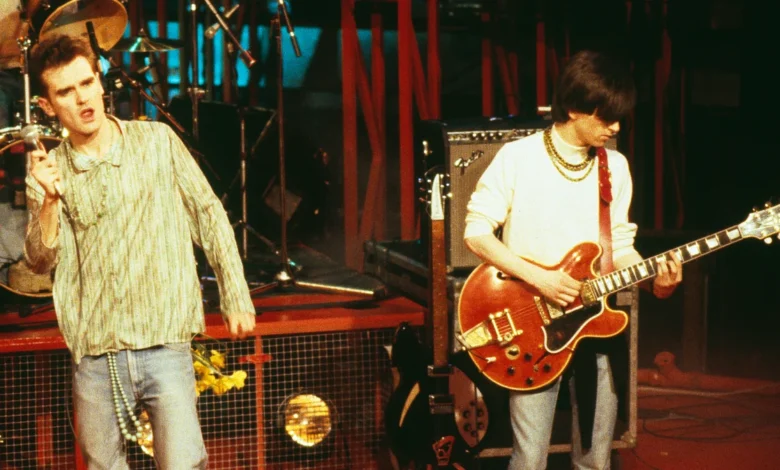
When The Smiths released their second single, This Charming Man, in late 1983, the landscape of British music was undergoing a profound shift. Emerging from the embers of the post-punk era, the Manchester-based quartet—comprised of vocalist Morrissey, guitarist Johnny Marr, bassist Andy Rourke, and drummer Mike Joyce—offered a sound that was at once nostalgic and revolutionary. While die-hard fans of the band often debate the placement of the track within the group’s wider catalog, its historical significance as the catalyst for the band’s ascent into the mainstream is beyond dispute. The song remains a cornerstone of the indie genre, a testament to the lightning-in-a-bottle chemistry between a visionary guitarist and a poetically inclined frontman.
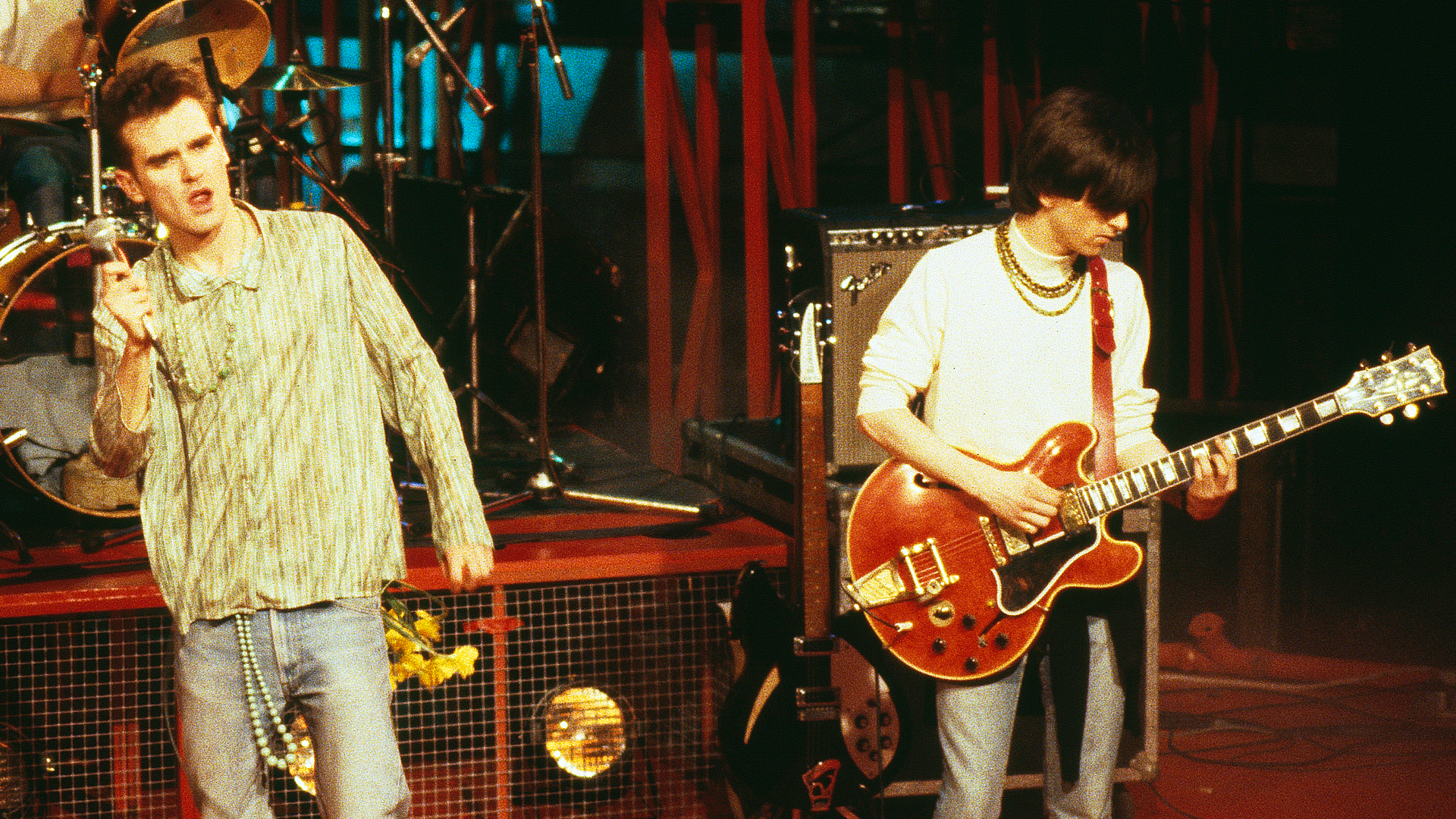
The Genesis of a Partnership
The formation of The Smiths is now part of musical folklore, defined by the pivotal meeting between an 18-year-old guitar prodigy, Johnny Marr, and the reclusive, literary-minded Steven Patrick Morrissey. In his autobiography, Set the Boy Free, Marr describes an immediate recognition of shared purpose. They were two individuals who had spent their formative years obsessively honing their craft, searching for a vehicle to express a unique vision that the surrounding musical climate could not accommodate.
Morrissey provided the intellectual framework, his lyrics drawing from a deep well of kitchen-sink realism, British cinema, and the works of playwrights like Shelagh Delaney. Marr, conversely, acted as the architect of the sound, his playing style characterized by an intricate, layered approach that eschewed the aggressive, power-chord-heavy norms of the time. By the time they recruited Andy Rourke and Mike Joyce to form the rhythm section, they had established a dynamic that allowed them to tackle themes of alienation, class, and longing with both wit and melancholy.
The Rough Trade Era and the Pursuit of Relevance
The journey toward their breakthrough was not without its obstacles. The band initially faced rejection from major labels, including EMI and Manchester’s legendary Factory Records. They eventually found a home with the independent label Rough Trade, which had previously tasted success with artists such as Stiff Little Fingers. Their debut single, Hand in Glove, was released on May 13, 1983. Despite its local acclaim, the track failed to make a dent in the UK national singles charts.
For a band operating in an era where the trajectory of a career was often dictated by radio play and chart success, the lack of commercial traction for their first single was a stark wake-up call. Marr, keenly aware of the necessity of gaining broader exposure, realized that the band’s next offering required a more accessible, radio-friendly sheen. Inspired by the melodic, upbeat style of fellow Rough Trade label mates Aztec Camera—specifically their track Walk Out to Winter—Marr set out to compose a song that balanced the band’s signature complexity with a pop sensibility.

The Prolific Sessions of 1983
In a burst of creative output during the late summer of 1983, Johnny Marr penned the foundational structures for what would become This Charming Man, alongside other early classics like Still Ill and Pretty Girls Make Graves. Writing in the key of G—a rarity for him—Marr aimed to capture a brighter, more propulsive energy. Using a TEAC-3 cassette machine, he demoed the layered guitar lines that would define the track, eventually handing the tape to Morrissey for the addition of vocals.
The lyrical narrative of This Charming Man was heavily influenced by the 1972 film Sleuth, specifically a line delivered by Laurence Olivier regarding a "jumped-up pantry boy." This resonated deeply with the class-conscious Morrissey, who was then navigating his own experiences of poverty and social marginalization. The central hook, "I haven’t got a stitch to wear," echoed a similar sentiment from the 1961 film A Taste of Honey. Together, these influences allowed Morrissey to construct a narrative of tentative self-discovery and the quiet, often invisible desires of working-class youth.

Studio Challenges and the Role of Production
The path to the final recorded version was circuitous. The band initially struggled with the production process, having been disappointed by their previous work with producer Troy Tate. To rectify this, they brought in John Porter, a former Roxy Music bassist with a keen understanding of arrangement. Porter recognized that while Marr and Morrissey possessed immense talent, they lacked experience in the nuances of studio recording.
Porter’s involvement was instrumental in transforming the band’s raw ideas into a polished, dynamic record. During the sessions at Strawberry Studios in Stockport, Porter utilized a then-innovative LinnDrum machine to tighten the rhythm section. By creating a cleaner, more rhythmic foundation, he allowed the guitar and vocal arrangements to shine. Marr, in turn, embraced the opportunity to experiment, creating a "Guitarchestra" of layered tracks—including acoustic guitars, electric lines, and the unconventional sound of a metal knife dropped onto guitar strings—which added a unique texture to the final mix.
Impact and Legacy
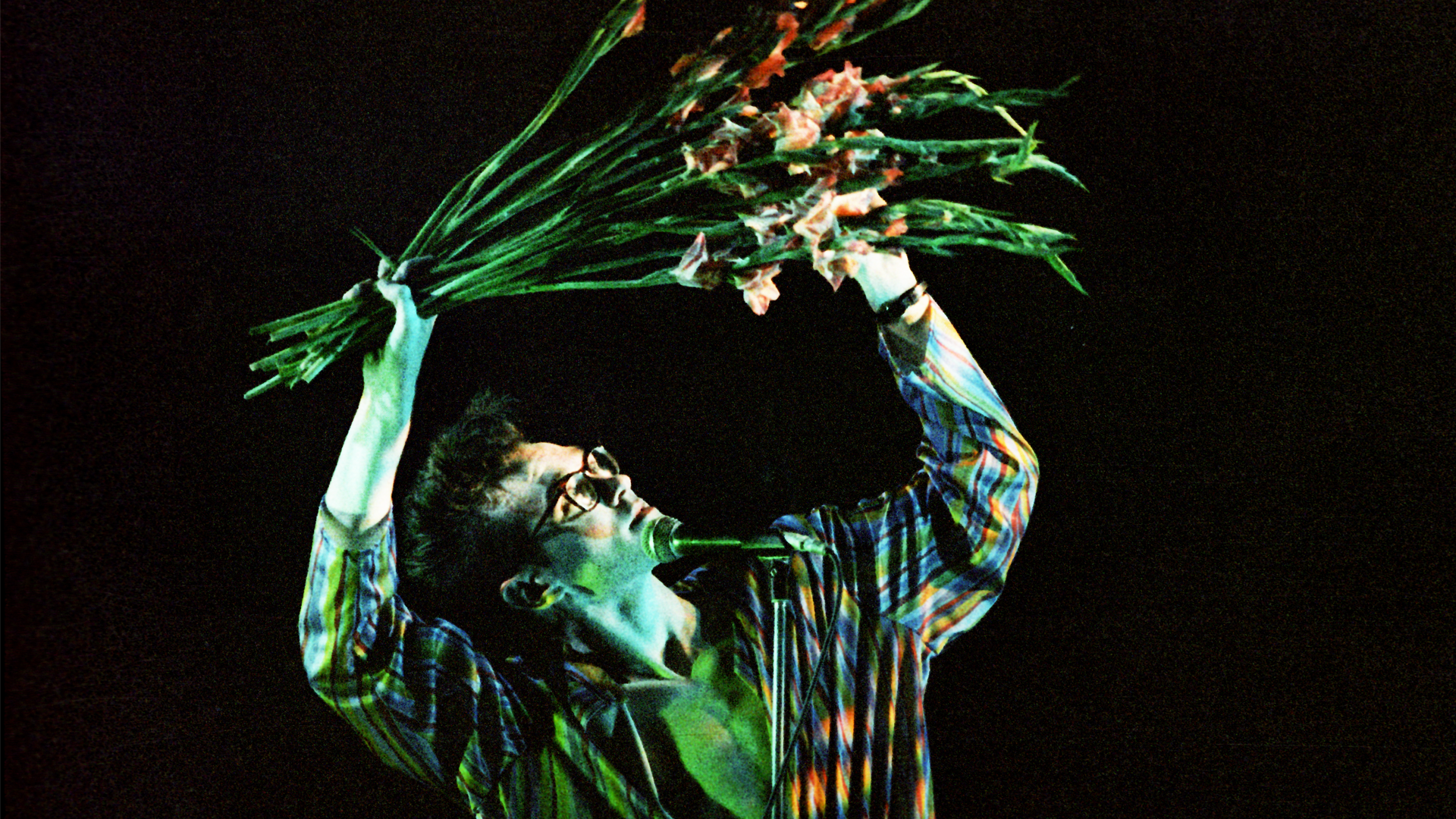
Upon its release, This Charming Man achieved what its predecessor could not: it captured the public’s imagination. With its infectious, bouncing rhythm and Morrissey’s distinct baritone, the song bridged the gap between the underground scene and the mainstream charts. Although it reached number 25 in its initial 1983 run, the track’s stature only grew over time, peaking at number 8 following a 1992 re-release.
The implications for The Smiths were immediate and profound. The song turned them from a local Manchester curiosity into a national phenomenon. For the band, it was the moment they truly "arrived," validating their unique aesthetic and proving that they could survive and thrive on their own terms.

Reflecting on the song years later, Marr admitted a slight sense of detachment from the track, noting that it represents only the "shiny side" of the band’s identity. Nevertheless, its place in music history remains cemented. It provided a voice for the outsider and set a blueprint for the indie-pop movement that would dominate the British music charts for the remainder of the decade. By blending the literary depth of post-punk with the melodic accessibility of classic pop, The Smiths managed to gatecrash the mainstream without compromising their artistic integrity.
Data and Chronology of Release
- May 13, 1983: Hand in Glove is released as the debut single via Rough Trade.
- September 14, 1983: The band records This Charming Man during a John Peel session at the BBC’s Maida Vale studios.
- October 31, 1983: This Charming Man is officially released as a single.
- February 1984: The self-titled debut album, The Smiths, is released, featuring the definitive studio version of the song.
- 1992: A re-release of This Charming Man climbs to number 8 on the UK Singles Chart, marking the band’s highest-charting success for that specific track.
The story of This Charming Man is more than the history of a single song; it is the chronicle of a band learning to harness its own potential. Through the combination of Marr’s intricate guitar work, Porter’s production insight, and Morrissey’s evocative lyricism, the song successfully captured the zeitgeist of 1983, leaving an indelible mark on the landscape of popular music that continues to resonate with new generations of listeners today.