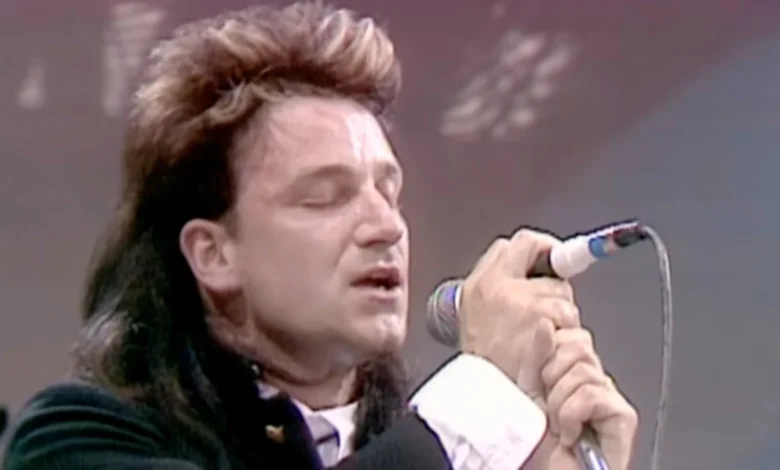
On Saturday, July 13, 1985, the eyes of the world were fixed on Wembley Stadium in London. Live Aid, the ambitious transatlantic charity concert organized by Bob Geldof and Midge Ure, sought to raise awareness and funds for the devastating famine in Ethiopia. Amidst a lineup featuring rock royalty—Queen, David Bowie, The Who, and Led Zeppelin—a young Irish quartet named U2 was tasked with a brief, high-pressure appearance. Their setlist was meticulously planned to satisfy the strict 17-minute time limit imposed by the organizers, who famously warned bands, "Don’t get clever—just play the hits." U2’s chosen trajectory was "Sunday Bloody Sunday," "Bad," and their current chart-topping anthem, "Pride (In The Name Of Love)." However, the performance that followed would deviate wildly from the script, cementing a moment in rock history that remains a case study in the power of spontaneous live performance.
A Departure from the Script
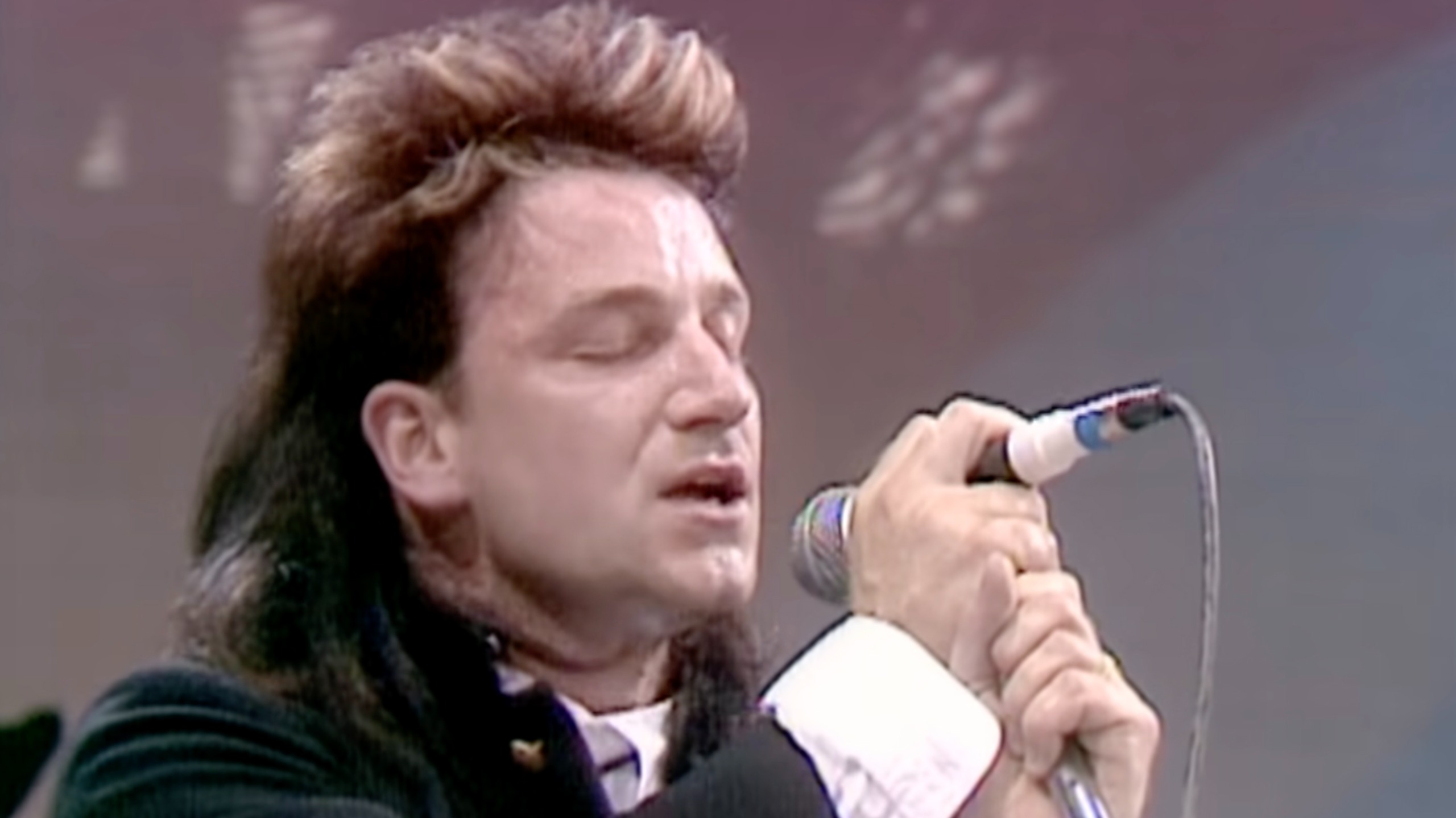
The breakdown of the planned setlist began during the second track, "Bad," a song from their 1984 album The Unforgettable Fire. As the band locked into the atmospheric, hypnotic groove of the track, lead singer Bono noticed a surge in the crowd near the front barriers. Observing what he perceived to be a 15-year-old girl being crushed, the singer bypassed security and took a daring leap from the stage into the tightly packed audience.
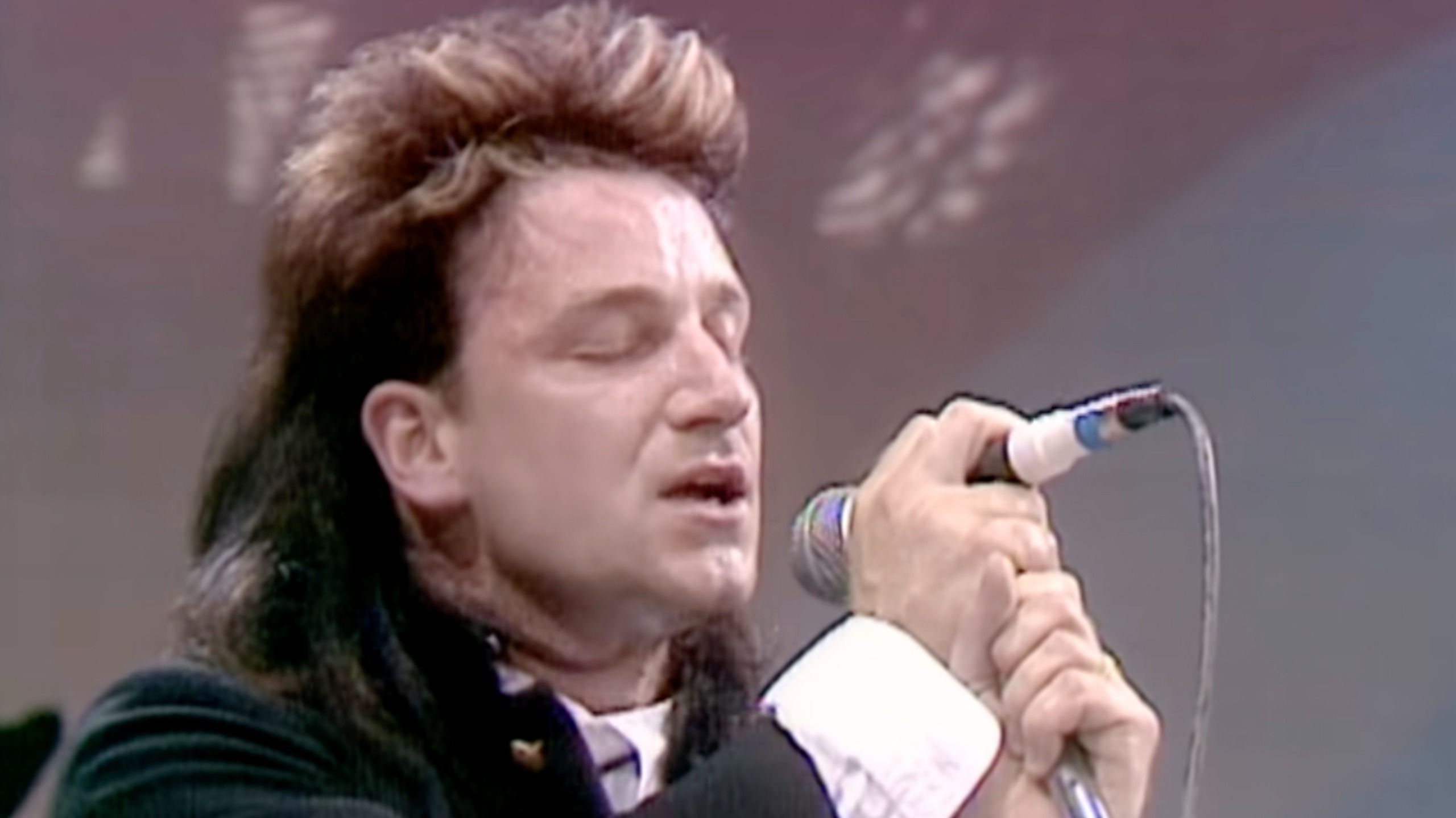
What was intended to be a standard live rendition transformed into an arduous, 12-minute odyssey. Bono spent several minutes navigating the crush to reach the girl, eventually pulling her to safety and engaging in a slow, emotional dance amidst the throngs of fans. While the band continued to play, keeping the rhythm steady, the clock ticked past their allotted time. The climactic final song, "Pride (In The Name Of Love)," was subsequently sacrificed. Backstage, the band members were reportedly furious, believing they had squandered their most significant global exposure. Bono, feeling he had failed to deliver the professional performance required for such a massive stage, returned to his dressing room and later to Ireland with his wife, Ali, convinced that he had committed a career-ending blunder.
The Anatomy of the Performance
The version of "Bad" performed at Wembley was a testament to the band’s improvisational instincts. Bono, stalling to remain in contact with the crowd, began to weave snippets of other legendary songs into the track, including Lou Reed’s "Satellite Of Love" and "Take A Walk On The Wild Side," alongside The Rolling Stones’ "Ruby Tuesday" and "Sympathy For The Devil." This ad-libbed tapestry, layered over the minimalist, delay-heavy guitar work of The Edge, created an atmosphere of "total jeopardy," as the guitarist would later describe it.
The musical structure of "Bad" itself was born from a jam session at Slane Castle in 1984. Working with producers Brian Eno and Daniel Lanois, the band sought to pivot away from the more aggressive, post-punk sound of their previous album, War. Eno’s influence was instrumental, particularly the introduction of the Oberheim DSX sequencer, which provided the song’s signature, metronomic pulse. The Edge utilized his Korg SDD-3000 digital delay to create a layered soundscape, often employing felt or tape on his guitar strings to achieve a muted, rhythmic texture. Despite the technical sophistication of the studio recording, the band often felt the version on The Unforgettable Fire lacked the visceral energy they achieved on stage.
The Human Cost: A Song About Addiction
Beyond the stage theatrics, "Bad" serves as a poignant social commentary. The lyrics, written by Bono, are a harrowing exploration of the heroin epidemic that gripped Dublin in the late 1970s and early 80s. The song was deeply personal, written about the singer’s friend, Andy "Guck" Rowen, who had spiraled into addiction following the trauma of witnessing the 1974 Dublin and Monaghan bombings.
Bono’s lyrics capture the oscillation between the chemical "rush" and the "awful sleep" of the comedown, contrasted with the desperate, clawing plea: "I’m wide awake, I’m wide awake, I’m not sleeping!" For decades, the band kept the specific identity of the subject private, referring only to "a friend." It was not until a 2011 show in Pittsburgh that Bono publicly dedicated the song to Rowen, who was in the audience, finally bringing the narrative full circle.
The Global Reaction and Legacy
While the band felt the performance was a failure, the global television audience of 1.9 billion people experienced something entirely different. The raw, unscripted human connection between the singer and the crowd resonated with the themes of the Live Aid event itself: compassion, vulnerability, and the struggle against suffering. In the days following the event, the critical consensus shifted dramatically. U2 was heralded not as a band that missed their cue, but as the act that provided the most emotionally resonant moment of the entire concert.
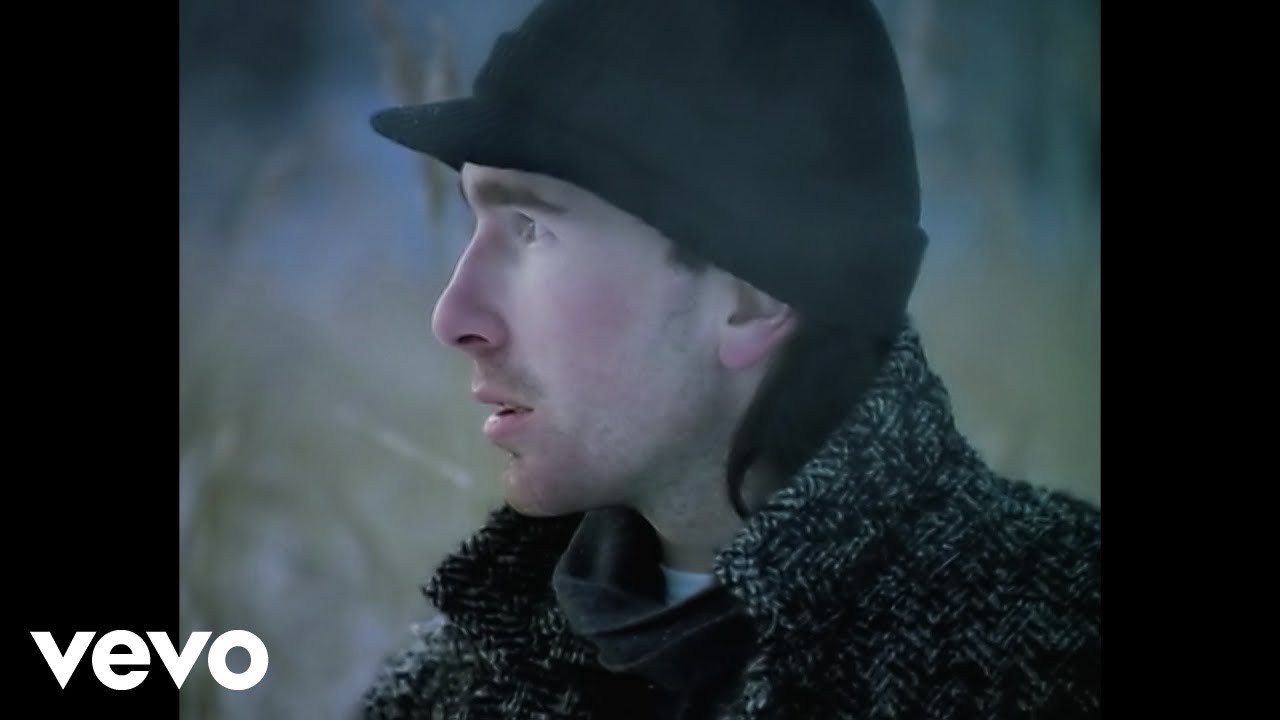
The Edge later reflected on the transition from internal panic to external validation. "I thought they were joking, I really thought we were crap," he told Rolling Stone. "But looking back… it was the sense of real, total jeopardy, which is always very exciting for a live event… I think there was something about the effort he had to put in to do it that somehow made it even more powerful."
Evolution of a Living Organism
The legacy of the Live Aid performance fundamentally altered the trajectory of U2’s career. It moved them from the status of a successful rock band to that of global icons. "Bad" ceased to be a static track and became a "living, breathing organism," as Bono described it. The band began to play the song at almost every show, treating it as an open-ended piece of music that could be adapted to the mood of the venue or the city.
Because the studio recording was viewed by critics as "muddy," the band leaned into the live versions. A performance recorded in Birmingham in 1984 was featured on the Wide Awake In America EP, which became the definitive version for many fans. Further iterations appeared on the Rattle and Hum documentary and the Elevation: Live From Boston concert film. Each version contained subtle lyrical changes and variations in tempo, reflecting the band’s belief that music should not be "set in stone."
Strategic Implications for the Band
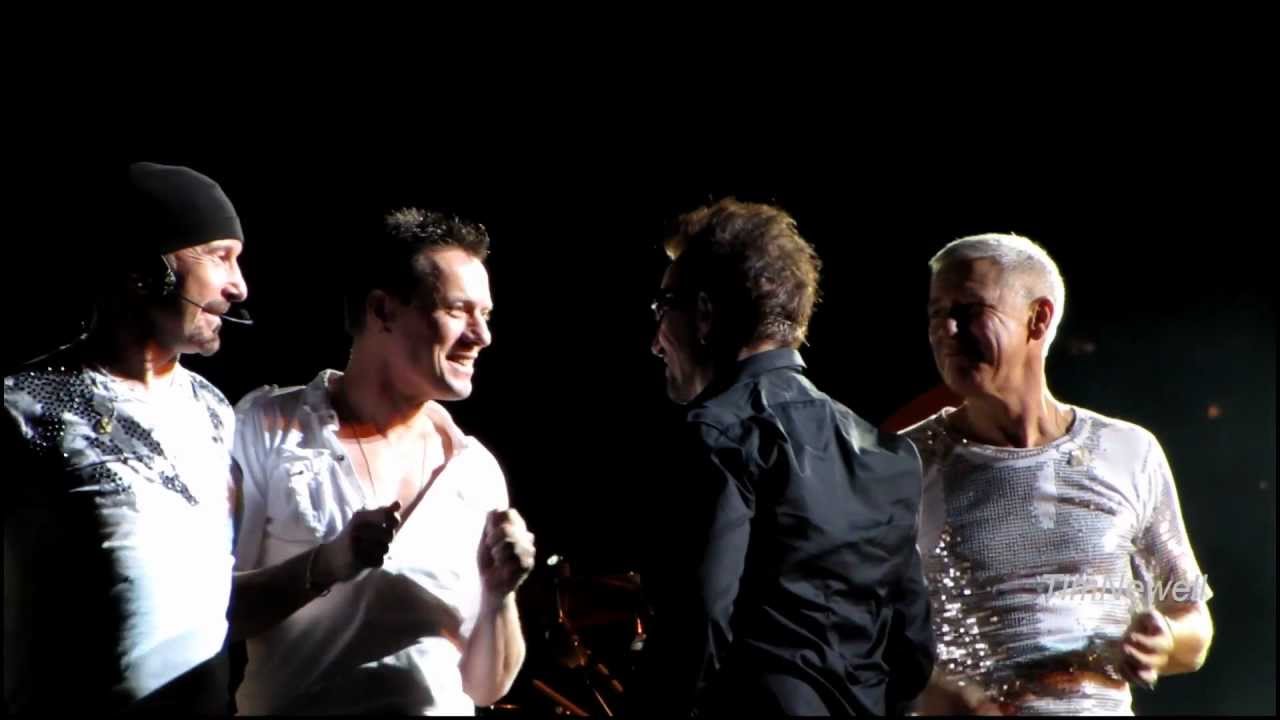
The "failure" at Live Aid provided a valuable lesson for U2 regarding the nature of their brand. The performance established the band’s identity as one that prioritized authenticity and emotional connection over rigid choreography. This approach would eventually inform the large-scale, high-concept tours of their later career, such as the Zoo TV and 360° tours, where the spectacle was always grounded in the human element.
By abandoning the hit song "Pride" to focus on the vulnerability of "Bad," the band inadvertently performed a masterclass in audience engagement. They demonstrated that in an era of highly produced, televised events, the most memorable moments are often those that defy the schedule. The incident solidified their reputation as a band that could turn a moment of potential crisis into an enduring legacy.
In hindsight, the 12 minutes U2 spent on stage at Wembley in 1985 were not just a setlist error—they were a pivotal point in the history of live music. The song "Bad," which began as an improvised guitar riff in the halls of a historic Irish castle, found its true purpose on a global stage, proving that sometimes, the best-laid plans are the ones that are meant to be broken. The song remains a cornerstone of the U2 repertoire, a constant reminder that for this band, the performance is never finished; it is simply continued, every night, with a new audience.