Stevie Wonder files eviction lawsuit against former partner Carmen Efferson over long-term Hollywood Hills residency

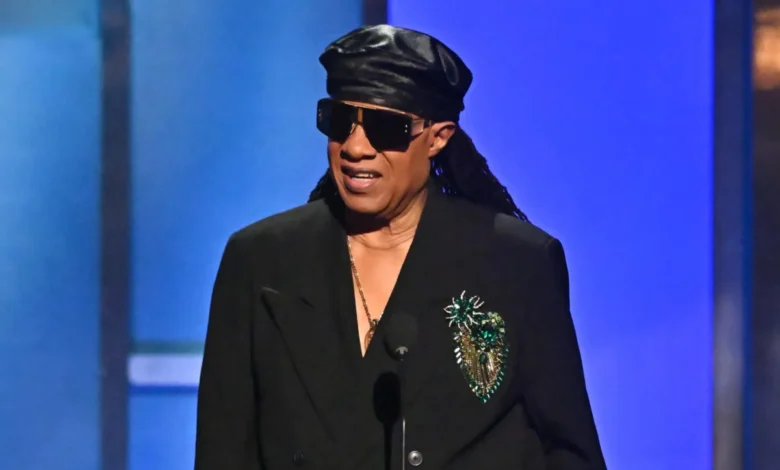
The legendary singer-songwriter Stevie Wonder, legally known as Stevland Morris, has initiated formal legal proceedings to evict Carmen Efferson from a three-bedroom residence in the Hollywood Hills. The lawsuit, filed on Thursday, October 22, 2026, marks the end of a long-standing informal arrangement that allowed Efferson to reside in the property rent-free for thirty-eight years. The legal action, categorized as an unlawful detainer suit, centers on a dispute regarding property access for mandatory insurance inspections, which has reportedly led to a complete breakdown in the relationship between the two parties.
Chronology of a Three-Decade Arrangement
The history between Wonder and Efferson dates back to the late 1980s, a period of significant professional and personal milestones for the musical icon. Efferson confirmed that she and Wonder were engaged during the time she first moved into the residence in 1988. During this same era, Efferson maintained a professional involvement in the music industry, receiving credit as a producer for the music video accompanying Wonder’s high-profile collaboration with Michael Jackson, titled "Get It," released in May 1988.
For over three decades, the property—situated in one of Los Angeles’ most affluent neighborhoods—remained occupied by Efferson under what court documents describe as an oral agreement. Unlike standard leasing contracts which delineate term limits, rental payments, and maintenance obligations, this arrangement appears to have operated as a permissive use agreement. However, as of the fall of 2026, the absence of a formal, written lease agreement has complicated the process of property management, particularly regarding necessary maintenance and regulatory compliance required for insurance underwriting.
The Catalyst: Insurance Inspection Disputes
The legal friction reached a boiling point in July 2026, when representatives for Wonder attempted to gain access to the property to perform an inspection required for the renewal of the home’s insurance policy. Such inspections are standard practice in the California real estate market, particularly for high-value properties in wildfire-prone regions like the Hollywood Hills, where insurers often mandate structural assessments to maintain coverage.
According to the lawsuit, representatives of the singer attempted to access the premises on three separate occasions throughout July. Each attempt was allegedly met with refusal. The dispute escalated significantly when an email exchange occurred between Efferson and David Huff, an attorney representing Wonder. In her correspondence, Efferson reportedly used inflammatory language, explicitly instructing the attorney to cease attempts to access the residence.
Furthermore, in her written response, Efferson characterized the requests for entry as an expression of "racist coldblooded ‘white male privilege.’" She explicitly stated her refusal to consent to the inspections and demanded that the legal team refrain from any further communication or physical approach to the property. Following this rejection, Wonder’s legal team issued formal notices advising that continued refusal would result in the termination of the residency and the initiation of an eviction process. The filing of the lawsuit on October 22 confirms that these warnings went unheeded.
Legal and Financial Implications
The lawsuit filed in the Los Angeles Superior Court identifies the core of the grievance as an "unlawful detainer," the legal mechanism used by property owners to recover possession of real estate from occupants who refuse to vacate. Beyond the physical recovery of the property, the suit seeks to address financial losses incurred by the owner.

Specifically, the filing alleges that Efferson’s refusal to allow access for the insurance inspection resulted in a lapse of the property’s insurance coverage. Wonder’s legal team is seeking $600 in damages related to this lapse, alongside the broader goal of securing a court order for the property’s vacancy. The figure, while relatively modest in the context of Hollywood real estate values, serves as a legal marker for the damages sustained due to the breach of the property owner’s ability to maintain the asset.
In California, unlawful detainer cases are typically expedited, given the nature of the claim. However, the unique history of the residency—a 38-year tenure—may introduce complexities during the discovery phase. Legal experts note that in cases involving long-term, rent-free occupancy, courts often examine whether any implied life-estate or tenant-at-will protections were established through the duration of the stay, although such protections are rarely successful against a title-holding owner.
Broader Impact and Industry Context
The public nature of this dispute has drawn significant attention, not only due to Stevie Wonder’s stature as a cultural icon but also because of the rarity of such litigation involving long-term informal housing arrangements. In the current Los Angeles housing climate, where rental prices and property taxes have reached record highs, the case highlights the risks associated with informal, unwritten housing agreements.
For property owners, the case serves as a cautionary tale regarding the necessity of formalizing residential arrangements, even among acquaintances or family members. Without written documentation, defining the expectations of property upkeep, tax responsibility, and, crucially, access for maintenance or insurance purposes becomes legally fraught.
Conversely, the case illustrates the vulnerability of individuals who, despite living in a residence for decades, lack the protections of a formal lease or ownership interest. As the court prepares to review the case, both parties face the potential for a prolonged legal battle that may delve into the nature of their relationship from the late 1980s.
Official Responses and Current Status
As of October 23, 2026, Carmen Efferson has declined to provide further comments regarding the lawsuit or the specific allegations contained within the court filings. Representatives for Stevie Wonder have remained focused on the legal process, with the filing of the lawsuit serving as the primary instrument for resolving the residency status.
The court is expected to schedule a preliminary hearing in the coming weeks. Until a judge rules on the unlawful detainer request, the status of the residency remains in limbo. The outcome of this case will likely hinge on the court’s interpretation of the 38-year-old oral agreement and whether the refusal to allow insurance inspections constitutes a sufficient breach of the implied terms to warrant a summary eviction.
The case of Morris v. Efferson underscores the intersection of personal history and property law. As the legal system prepares to weigh the rights of the property owner against the duration of the occupant’s stay, the case will continue to be a point of interest for legal observers and fans of the artist alike. The resolution of this matter will ultimately determine the future of the Hollywood Hills property and bring a final, albeit public, conclusion to a relationship that has spanned nearly four decades.
Related posts: