Meet Internet Girl Cape Town Trio Redefining the Modern Boy Band Through Internet Culture and Genre-Defying Sound

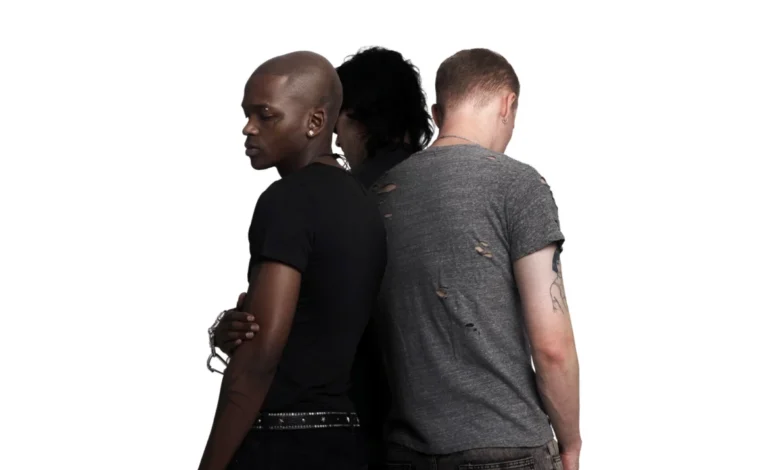
The contemporary landscape of popular music is increasingly defined by the dissolution of rigid genre boundaries, a phenomenon accelerated by borderless digital platforms and the democratization of music production software. Emerging directly from this postmodern sonic ecosystem is Internet Girl, a forward-thinking three-piece ensemble hailing from Cape Town, South Africa. Defying traditional categorization, the group functions as a new archetype of the modern boy band. Rather than adhering to the polished, choreography-driven formulas of the late 20th and early 21st centuries, Internet Girl draws deeply from the disparate online music cultures that shaped their formative years. Their output is a kaleidoscopic pastiche of alternative rap, hyperpop, punk aggression, and indie sleaze nostalgia. By combining the raw, visceral attitude of a traditional live rock outfit with pristine, forward-looking electronic production, the trio has steadily carved out a distinctive niche within the global underground and alternative scenes.
The Genesis of Internet Girl and the Rise of Post-Genre Collaboration
Formed in 2019, Internet Girl emerged during a pivotal era for South African electronic and alternative music, a time when localized scenes were increasingly intersecting with global digital communities via SoundCloud, TikTok, and Discord. The members—each bringing unique production and performance sensibilities to the collective—bonded over a shared appreciation for internet aesthetics, DIY ethos, and the collision of high-energy club music with organic instrumentation.
Frontman and primary vocalist TK anchors the group’s sonic identity with a versatile delivery that transitions effortlessly between melodic cadence and abrasive rap verses. The group’s production style reflects an era where a single track can reference mid-2000s indie-dance, contemporary hyperpop sound design, and the heavy low-end of modern hip-hop without sounding disjointed. This multidisciplinary approach allowed them to build a dedicated digital following independently, translating online engagement into tangible, real-world momentum that has recently begun to capture the attention of international tastemakers and major gaming franchises alike.
A Chronology of Momentum: From Local Roots to Global Stages
Since their inception five years ago, Internet Girl’s trajectory has transformed from a localized bedroom-producer project into an internationally recognized export of South African alternative culture. The timeline of their ascent highlights a steady accumulation of high-profile milestones that underscore their growing cultural footprint:
- 2019: The group officially forms in Cape Town, beginning their journey by releasing DIY tracks online and establishing a presence in the local underground circuit.
- 2021–2022: As pandemic-era digital consumption peaks, Internet Girl refines their sound, gaining traction across algorithm-driven playlists and niche online music communities. Their blending of rap and hyperpop attracts early critical acclaim within South Africa’s burgeoning alternative scene.
- 2023: The trio breaks past regional boundaries. Their track “DA BUSINESS” receives a major endorsement when it is hand-picked by acclaimed American rapper Vince Staples for his personal playlist, significantly expanding their international listener base.
- 2024: Momentum accelerates rapidly with a series of high-profile live performances and sync placements. The group performs at the prestigious Boiler Room showcase in Soweto, cementing their status as vital players in the domestic electronic and alternative live circuit. Furthermore, they secure a coveted co-headlining slot alongside legendary dance acts like Basement Jaxx.
- Late 2024: The band achieves a major mainstream synchronization milestone when their high-energy track “PULL UP” is selected for the official soundtrack of the globally popular video game franchise installment, NBA 2K27.
- November 2024: The group prepares for the release of their highly anticipated debut studio album, titled YES.
- December 2024: Internet Girl takes their live show to international audiences, scheduling a headline performance at The Lower Third in London on December 6.
Anatomy of a Single: Dissecting "HIGH AS HEAVEN"
The group’s recent release, the single “HIGH AS HEAVEN,” serves as a masterclass in modern alternative production and structural tension. The track opens in a sparse, atmospheric fashion, immediately evoking nostalgia through a synth riff reminiscent of the iconic opening of the Klaxons’ 2007 indie-dance anthem, “It’s Not Over Yet.” From this deceptively familiar opening, the song quickly descends into a chaotic rush of distorted textures, heavily compressed drums, and glitchy electronic manipulation.
A defining characteristic of the track is its dynamic arrangement: abrupt beat cutouts silence the instrumentation entirely, only to give way to explosive, high-octane returns that amplify the track’s club-ready energy. The chorus is intentionally engineered for live environments—a rowdy, anthemic call-and-response designed to captivate festival crowds. Yet, true to their genre-fluid philosophy, the song refuses to end on a purely aggressive note. The closing stretch dissolves into a layer of hazy, melancholic harmonies that soften the landing, leaving the listener in a reflective sonic space.
The intersection of high-end studio polish and lo-fi origins is further highlighted by the track’s vocal production. Lead vocalist TK initially recorded his vocal takes using basic consumer equipment—specifically, a standard microphone setup while wearing headphones—via the collaborative mobile and browser-based DAW, BandLab. When the production team later attempted to recreate the exact vocal effects chain in a professional studio setting, they found that the magic of the original makeshift recordings could not be replicated. Consequently, raw portions of those initial BandLab vocal demos were preserved and integrated directly into the final, mastered version of the song, retaining an authentic, gritty texture that professional plugins struggle to manufacture artificially.
Industry Reception and Supporting Data
The commercial and critical trajectory of Internet Girl reflects broader shifts in the global music industry, where geographical barriers are increasingly secondary to niche cultural resonance. Industry analysts note that sync placements in major media properties—such as the inclusion of “PULL UP” on the NBA 2K27 soundtrack—represent one of the most lucrative and effective growth avenues for independent and alternative acts in the streaming era. Video game soundtracks, in particular, have surpassed traditional radio as primary discovery engines for younger demographics, often exposing niche underground artists to millions of active players simultaneously.
Similarly, playlist curation by established global artists like Vince Staples acts as a vital bridge between regional scenes and American hip-hop and alternative markets. Playlisting endorsements validate emerging acts to a broader ecosystem of critics, festival bookers, and streaming curators. Furthermore, performances at institutions like Boiler Room Soweto highlight the vibrant, interconnected nature of contemporary African electronic music, proving that local scenes are driving global sonic trends rather than merely reacting to them.
Broader Impact and Implications for the Alternative Scene
The emergence of Internet Girl points toward a larger evolution within the global music landscape: the decentralization of pop culture and the rise of the "hyper-local internationalist." Artists from secondary and tertiary music markets outside of traditional Western hubs—such as London, Los Angeles, and New York—can now utilize digital infrastructure to build global audiences from their bedrooms.
By marrying the angst of punk, the sleekness of electronic club music, and the rhythmic cadence of hip-hop, Internet Girl speaks directly to a generation of listeners fatigue-tested by hyper-curated, overly polished pop acts. Their DIY roots, exemplified by the retention of BandLab vocal takes on commercial releases, signal an ongoing democratization of production quality where emotional resonance and stylistic authenticity outweigh high-budget studio perfection.
As the release of their debut album YES approaches in November, followed by their December 6 live showcase at London’s The Lower Third, Internet Girl stands at a critical juncture. The transition from internet-cult favorites to a globally touring alternative act will test the scalability of their chaotic, genre-bending sound. However, if their current trajectory—marked by high-profile video game syncs, major playlist nods, and an uncompromising artistic vision—is any indication, Internet Girl is well-positioned to redefine what it means to be a modern boy band in the digital age.
Related posts: