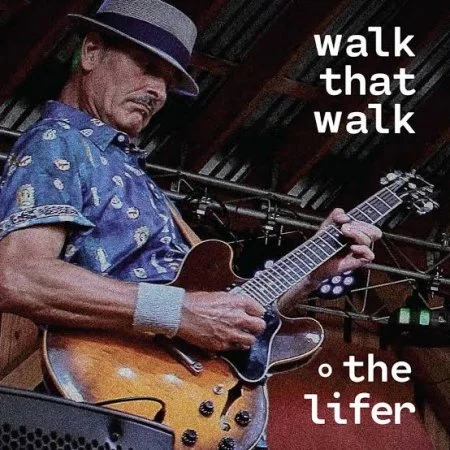
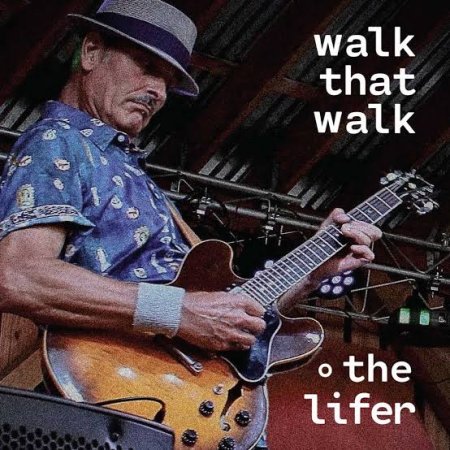
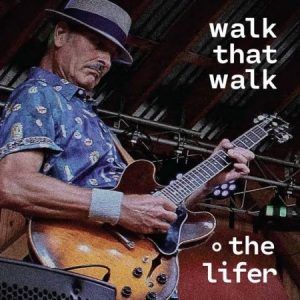
Boston-based roots-rock and blues collective Walk That Walk has officially announced the independent release of their latest studio album, The Lifer. Clocking in at a concise yet impactful 30 minutes and 16 seconds across eight tracks, the self-released record serves as a comprehensive distillation of decades spent traversing the American highway. Spearheaded by band patriarch Poppa C DeSnyder—who anchors the project on lead vocals, guitars, slide, dobro, and percussion—the album blends elements of traditional blues, Americana, folk, and rock into a cohesive sonic statement. DeSnyder’s fingerprints are all over the project, as he wrote or co-wrote seven of the eight tracks while also handling the album’s production duties. The release captures the veteran ensemble at the height of their artistic maturity, supported by a roster of esteemed guest musicians who help breathe fresh life into classic roots tropes.
Deep Roots and Decades on the Road
The genesis of The Lifer cannot be understood without examining Walk That Walk’s extensive history within the American blues and roots circuit. Long before entering the studio to record their latest material, the core members of the Boston outfit built their reputation not just through their own headline performances, but as an elite touring backing band for bona fide American music royalty. Over the years, the ensemble has shared stages and supported pioneering legends such as Bo Diddley, Johnnie Johnson, and Carey Bell.
This pedigree of backing foundational architects of rock and roll and Chicago blues fundamentally shapes the ethos of Walk That Walk. The band members approach their craft with a reverence for tradition combined with the relentless work ethic required of road-tested musicians. The Lifer acts as a sonic bridge between the bygone era of mid-century juke joints and the modern Americana landscape, showcasing a group of seasoned professionals who treat every measure with craftsmanship and intentionality. Rather than chasing modern commercial trends, the band leans heavily into the organic interplay of acoustic and electric instrumentation, resulting in a timeless record that honors its primary influences while carving out a distinct regional identity grounded in the Northeast roots scene.
Musical Architecture and Track Breakdown
Despite its relatively brief runtime of just over half an hour, The Lifer is meticulously paced, packing a significant amount of musical diversity into its eight tracks. The album opens with the lively, foot-stomping composition "You Can’t Catch Me," which establishes the record’s rootsy foundation. The track features a dynamic interplay between Pappy Biondo’s intricate banjo picking and DeSnyder’s acoustic slide guitar, creating a rich sonic stew before Biondo delivers an explosive banjo solo toward the song’s climax.
Momentum builds further with "I Ain’t Thinking About You," propelled by the energetic harmonica stylings of James "Stickman" Waldron and the driving keyboard work of Ray Paczkowski. The themes of resilience and perseverance permeate several tracks on the album. "Stand Up, Don’t Quit" addresses personal hardships head-on, anchored by hearty, soulful organ contributions from Paczkowski. This thematic exploration of endurance extends directly into "Get Up," a protest-leaning anthem energized by aggressive guitar work that encourages listeners to fight against systemic and personal adversity.
The stylistic range broadens on "I Ain’t Stranger," a chugging blues-rock number defined by a relentless guitar attack interweaving seamlessly with rolling piano lines. Notably, the lyrical reference of wiping out tracks recalls the classic folklore of Howlin’ Wolf’s legendary "Tail Dragger," cementing the band’s deep reverence for blues history. The mood lightens momentarily on "Make Mine a Double," where Paczkowski’s jaunty organ dominates the arrangement, infusing the track with an infectious, good-time tavern vibe.
The album’s title track, "The Lifer," shifts focus toward blue-collar realities, offering a stark, reflective narrative on the monotonous grind of day-in-day-out factory work. The composition is elevated by a searing, impassioned guitar solo that underscores the emotional weight of the lyrics. The record concludes with its sole cover song: a faithful yet inspired rendition of Fleetwood Mac’s "One Sunny Day," originally penned by the late Danny Kirwan. Featuring guest lead vocals by Jimmy James Love, the track utilizes slide guitar playing in unison with the vocal line in a classic blues tradition, directly evoking the early, blues-centric iterations of Fleetwood Mac before their massive pop crossover.
Production and Collaborative Effort
Behind the boards, Poppa C DeSnyder’s production choices on The Lifer prioritize clarity, warmth, and space. Rather than relying on modern, over-compressed digital production techniques, the album favors a natural, room-reverberant aesthetic that makes the listener feel as though they are sitting inside a live rehearsal space with the band. Every instrument is given adequate room to breathe; the low-end is anchored without muddying the mid-range frequencies where the dueling slide guitars, banjos, and organs operate.
The collaborative nature of the album is one of its strongest selling points. By inviting virtuosos like Pappy Biondo, James "Stickman" Waldron, Ray Paczkowski, and Jimmy James Love into the fold, DeSnyder and the core members of Walk That Walk avoid stagnation. Each guest artist brings a distinct regional and stylistic flavor, bridging the gap between traditional folk instrumentation and heavy-hitting blues-rock. This collective synergy is precisely what allows an eight-song project to feel substantial and complete rather than rushed or skeletal.
Industry Implications and Cultural Resonance
The release of The Lifer arrives at a critical juncture for independent roots and blues artists navigating a rapidly shifting music industry landscape. In an era dominated by algorithmic streaming playlists and single-track releases, Walk That Walk has deliberately crafted an old-school album experience—a concise, 30-minute journey designed to be consumed from start to finish. This artistic choice highlights a growing counter-movement among veteran musicians who prioritize artistic integrity over commercial pandering.
Furthermore, the album highlights the vitality of the regional American roots scene outside of traditional hubs like Nashville, Austin, or Chicago. Boston has long harbored a fiercely loyal blues and folk underground, and Walk That Walk serves as a prime ambassador for New England’s contribution to the broader Americana conversation. By maintaining ties to the first-generation architects of the genre while incorporating elements of folk, bluegrass, and rock, the band ensures that the foundational language of the blues remains relevant to contemporary audiences.
As physical record sales and independent artist funding models continue to evolve, self-released projects like The Lifer demonstrate the viability of grassroots distribution. Backed by decades of touring goodwill and a reputation for high-octane live performances, Walk That Walk has delivered a masterclass in economic songwriting and arrangement. Music critics and blues purists alike will undoubtedly find plenty to dissect within its grooves, leaving listeners eager to see how these road-tested veterans translate this new material back onto the live stage where their storied legacy was originally forged.